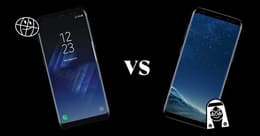
Galaxy S20 5G Vs Galaxy S21 5G

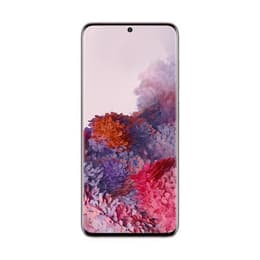
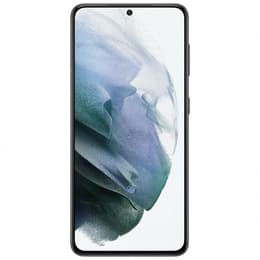
Galaxy S20 5G
Galaxy S20 5G
Starting at

Refurbished price:£133.00

Versus £899.00 new

See options
Galaxy S21 5G
Galaxy S21 5G
Starting at

Refurbished price:£133.00

Versus £829.00 new

See options

Ratings

The Samsung Galaxy S20 5G, released in early 2020, and the Galaxy S21 5G, launched in 2021, represent two generations of Samsung's flagship S-series smartphones. While they share a similar compact footprint and core functionality, the transition from the S20 to the S21 brought changes in build materials, display technology, and internal hardware. Both devices run on the Android operating system, offering a familiar user interface and access to a wide range of applications. Choosing between them involves weighing the benefits of a newer processor against features like expandable storage and premium build materials found in the earlier model.

Scores

Durability

The Galaxy S21 5G offers a longer software support window due to its later release date, while the Galaxy S20 5G remains a capable device for those who prioritise specific hardware features.

  • Software Longevity: The Galaxy S21 5G benefits from an additional year of Android OS updates and security patches compared to the S20 5G, making it a suitable choice for users planning to keep their device for several years.
  • Build Materials: The S20 5G features a glass rear panel, whereas the S21 5G uses a reinforced polycarbonate material; while glass is often perceived as more traditional for high-end devices, the polycarbonate on the S21 is less prone to shattering if dropped.
  • Repairability: Both models share similar internal architectures, meaning that common repairs like screen or battery replacements are widely supported by professional technicians, though the S21's flat display can sometimes be simpler to service than the S20's curved edges.

Year of Release

2020

2021

Compatible with latest Update

No

Yes

OS

Android

Android

Foldable

No

No

Performance

Performance differences between these two generations are subtle in daily use, with the S21 focusing on efficiency and the S20 offering higher memory capacity in some configurations.

  • System Responsiveness: The Galaxy S21 5G utilises a newer generation of internal hardware that handles demanding multitasking and high-end mobile games with consistent thermal management, leading to steady performance during long sessions.
  • Memory and Multitasking: Interestingly, the Galaxy S20 5G often comes with more RAM than the standard S21 5G, which can help users who keep dozens of apps open simultaneously without the system closing them in the background.
  • Storage Flexibility: A significant differentiator is the inclusion of a microSD card slot on the S20 5G, allowing users to expand their storage space easily, a feature that was removed in the S21 5G.

Memory (GB)

12 GB

8 GB

Screen quality

Both smartphones feature vibrant displays with high refresh rates, but they take different approaches to resolution and screen shape.

  • Display Technology: Both devices use AMOLED technology, providing deep blacks and vivid colours that make watching videos or browsing photos an engaging experience, even in bright outdoor conditions.
  • Refresh Rate and Smoothness: While both support a 120Hz refresh rate for smooth scrolling, the S21 5G features an adaptive refresh rate that adjusts automatically to save battery, whereas the S20 5G requires manual selection between high smoothness and high resolution.
  • Screen Design: The S20 5G features slightly curved edges that give it a modern look, while the S21 5G moves to a completely flat display, which many users find practical for avoiding accidental touches and applying screen protectors.

Resolution

1440 x 3200

1080 x 2400

Screen type

Dynamic AMOLED 2X

Dynamic AMOLED 2X

Audiovisual

The camera systems on both the Galaxy S20 5G and S21 5G are closely similar in hardware, with the newer model relying more on software refinements to improve image processing.

  • Photography Versatility: Both phones are equipped with a triple-lens system—including wide, ultra-wide, and telephoto lenses—allowing users to capture everything from expansive landscapes to detailed close-ups with clarity.
  • Video Capabilities: Users can record high-definition video on both devices, with the S21 5G introducing software features for smoother stabilisation and transitions between different lenses while filming.
  • Audio Experience: Both models lack a traditional headphone jack, requiring USB-C or wireless headphones, but they offer clear stereo speakers that provide a balanced sound for media consumption and speakerphone calls.

Main camera

12 megapixels

12 megapixels

Front camera

10 megapixels

10 megapixels

Miscellaneous

Practical daily usage is influenced by the physical design and connectivity features of these two Samsung flagships.

  • Connectivity and Sensors: Both devices support 5G networks for fast mobile data and feature fast-acting in-display fingerprint sensors, though the S21 5G uses a newer sensor version that is slightly larger and more forgiving with finger placement.
  • Portability and Handling: The dimensions are nearly identical, making both phones excellent choices for one-handed use, though the S21 5G is marginally heavier due to its different internal structure and materials.
  • Charging and Ports: Both utilise USB-C for charging and data transfer and support wireless charging; however, it is important to note that the S21 5G was the first in the series to ship without a charging brick in the box, encouraging the use of existing accessories.

Weight

163 g

169 g

Width

6,91 cm

7.12 cm

Height

15,17 cm

15.17 cm

Depth

0,79 cm

0.79 cm

Screen size (in)

6.2

6.2

Mobile network

5G

5G

SIM card

Dual Physical SIM

Dual Physical SIM + eSIM

Carrier compatibility

Unlocked

Unlocked

Choosing between the Galaxy S20 5G and the Galaxy S21 5G often comes down to a preference for specific hardware features versus long-term software support. User feedback on community forums suggests that the S20 5G is still well regarded for its expandable storage and premium glass build, which some feel provides a more traditional flagship experience. Conversely, the S21 5G is frequently praised for its improved fingerprint sensor and the flat display, which eliminates the glare and accidental touches sometimes associated with curved screens. Some users have noted that the S21's move to a polycarbonate back and the removal of the microSD slot were surprising changes, but they appreciate the more consistent battery performance and updated processing power.

Users who prioritise having a microSD slot for large photo libraries or who prefer the feel of a glass-backed device will find the Galaxy S20 5G to be a strong fit. On the other hand, those who want the latest software updates for as long as possible and a more reliable fingerprint scanner may lean toward the Galaxy S21 5G. For those looking to make a sustainable choice, opting for a quality-assured refurbished option like those available on Back Market is an eco-friendly alternative that ensures the device has been thoroughly tested. Ultimately, both smartphones remain fully capable for modern tasks, and choosing a refurbished model allows users to access these features while contributing to a more circular economy.
See all articles

Our recent comparisons