
Compare models
Galaxy A55 Vs iPhone Air
- 1-year minimum warranty
- Free delivery on all items
- Free 30-day returns
Differences at a glance
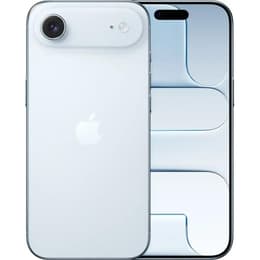
The Samsung Galaxy A55 (2024) and the Apple iPhone Air (2025) represent two distinct philosophies in modern smartphone design, targeting users with very different daily priorities. While the Galaxy A55 focuses on balanced everyday utility running on the Android operating system, the iPhone Air introduces a uniquely thin titanium profile powered by iOS. These two devices diverge significantly in form factor, software ecosystems, and hardware capabilities.
Available Models
Colour
Storage (GB)
Scores
Durability
When evaluating structural longevity and software support, both devices offer robust timelines suited for long-term daily use, though they approach support lifecycles through different manufacturer frameworks.
- Software Support Duration: The iPhone Air benefits from Apple's extended iOS update cycle, ensuring current system features for many years, while the Galaxy A55 provides a structured multi-year Android security update schedule.
- Build Integrity: The iPhone Air utilizes a titanium frame and scratch-resistant glass, whereas the Galaxy A55 relies on a durable metal and glass construction with an established dust and water resistance rating.
- Expected Practical Lifespan: Both smartphones maintain adequate performance headroom for everyday tasks over several years, making quality-assured refurbished options from Back Market a sustainable choice for eco-conscious consumers looking to extend device lifecycles.
Year of Release
2024
2025
Compatible with latest Update
Yes
Yes
OS
Android
iOS
Foldable
No
No
Performance
System responsiveness and day-to-day multitasking capabilities vary between the two models based on their internal hardware configurations and software optimization.
- Multitasking and App Loading: Both devices handle standard web browsing, social media applications, and streaming smoothly, though high-demand mobile games run with enhanced graphics efficiency on the iPhone Air.
- Storage Configurations: The iPhone Air starts at higher baseline storage tiers without expansion slots, whereas the Galaxy A55 offers moderate base storage alongside microSD card expansion for large media libraries.
- Battery Behavior: The Galaxy A55's larger physical cell maintains power through extended use periods, while the iPhone Air relies on power-efficient hardware management to sustain typical daily usage within its ultra-thin chassis.
Screen quality
Display characteristics differ notably in physical dimensions, peak brightness output, and motion fluidity during media consumption.
- Display Technology: Both models feature vibrant OLED panels that deliver deep contrast levels and sharp text clarity for reading and video playback.
- Refresh Rate and Fluidity: Each device supports a high refresh rate up to 120Hz, ensuring smooth scrolling through web pages and responsive touch feedback.
- Outdoor Visibility: The iPhone Air reaches higher peak brightness thresholds for clear visibility under direct sunlight, while the Galaxy A55 offers a comfortable viewing area with balanced color calibration.
Resolution
1080 x 2340
2736x1260
Screen type
Super AMOLED
Super Retina XDR
Audiovisual
Imaging hardware and media recording tools cater to different content capture preferences and everyday photography habits.
- Camera System Setup: The Galaxy A55 features a versatile triple-lens rear array including ultra-wide and macro options, whereas the iPhone Air utilizes a single high-resolution primary lens system.
- Video Recording: Both devices capture stable, detailed video clips with reliable autofocus, though Apple's processing delivers advanced cinematic stabilization features.
- Media Consumption: The iPhone Air provides clear audio output suited for quick video playback, while the Galaxy A55 delivers balanced stereo sound for hands-free listening.
Main camera
50 megapixels
48 megapixels
Front camera
32 megapixels
18 megapixels
Miscellaneous
Physical handling, connectivity standards, and daily ergonomic factors influence how each smartphone fits into regular routines.
- Dimensions and Weight: The iPhone Air emphasizes an exceptionally slim and lightweight profile for pocketability, while the Galaxy A55 features a slightly heavier, broader build.
- Port and Charging Standards: Both devices adopt the universal USB-C standard for wired connections and data transfers, supplemented by modern wireless charging capabilities.
- Biometric Security: The Galaxy A55 incorporates an optical under-display fingerprint sensor alongside facial recognition, whereas the iPhone Air relies exclusively on facial authentication.
Weight
213 g
165 g
Screen size (in)
6.6
6.5
Mobile network
5G
5G
SIM card
Dual Physical SIM
eSIM
Carrier compatibility
Unlocked
Unlocked
Connector
USB-C
USB-C
What the community thinks
User feedback for the Galaxy A55 frequently highlights its dependable battery endurance, expandable storage capability, and solid build quality, though some users note its heavier weight compared to minimalist alternatives. Conversely, owners of the iPhone Air praise its remarkable thinness, premium display clarity, and responsive ecosystem integration, while noting the absence of physical storage expansion and a multi-lens rear camera setup. Users prioritizing ergonomic lightweight design and extended software longevity may prefer the iPhone Air, while those seeking expandable storage, a multi-lens camera array, and a traditional battery profile will find the Galaxy A55 well-suited to their needs. Exploring a quality-assured refurbished option provides a practical way to acquire either device while supporting sustainable consumption habits. Ultimately, the choice depends on which operating system and physical form factor align best with individual daily routines.