Compare models

Galaxy A54 Vs iPhone Air

  • 1-year minimum warranty
  • Free delivery on all items
  • Free 30-day returns
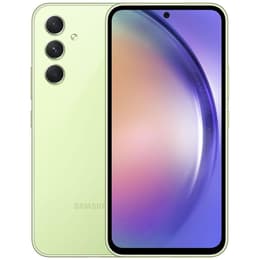
Galaxy A54
Starting at

Refurbished price:£127.00

Versus £499.00 new

See options
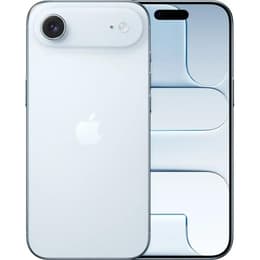
iPhone Air
Starting at

Refurbished price:£604.00

Versus £1,099.00 new

See options

Differences at a glance

The Samsung Galaxy A54 (2023) and the Apple iPhone Air (2025) represent two distinct approaches to modern smartphone engineering, balancing different priorities in design, hardware capability, and software ecosystems. While the Galaxy A54 focuses on delivering a reliable everyday feature set within the Android ecosystem, the iPhone Air emphasizes an ultra-slim profile and high-performance capabilities running on iOS.

Available Models

Colour

Storage

Scores

Durability

Both devices offer differing timelines for structural and software longevity based on their release schedules and update policies.

  • Software Support: The iPhone Air benefits from a newer launch timeline and extensive Apple software update longevity, whereas the Galaxy A54 relies on Samsung's multi-year update commitment established from its 2023 release.
  • Build Integrity: The iPhone Air utilizes a rigid titanium frame paired with reinforced glass protection, while the Galaxy A54 employs a glass back and durable frame construction with solid dust and water resistance ratings.

Year of Release

2023

2025

Compatible with latest Update

Yes

Yes

OS

Android

iOS

Foldable

No

No

Performance

Handling daily operations, multitasking, and power demands differs significantly between the two models based on their internal hardware configurations.

  • System Responsiveness: The iPhone Air handles demanding multi-app workflows and high-end gaming effortlessly with its generous memory allocation and advanced processing architecture, while the Galaxy A54 manages standard daily tasks, social media scrolling, and casual gaming smoothly.
  • Battery Behavior: The Galaxy A54 incorporates a larger battery capacity designed to comfortably clear a full day of standard use, whereas the iPhone Air balances its remarkably thin chassis with optimized power efficiency that requires standard daily charging routines.

Screen quality

Viewing media, reading text, and interacting with content involves distinct panel technologies and visual performance characteristics.

  • Display Technology: Both devices feature vibrant OLED panels that deliver deep contrast levels and rich colors, though the iPhone Air adds a higher adaptive refresh rate reaching up to 120Hz for smoother scrolling compared to standard mid-range refresh behavior.
  • Outdoor Visibility: The iPhone Air achieves high peak outdoor brightness levels for clear legibility under direct sunlight, while the Galaxy A54 provides reliable brightness suitable for everyday outdoor viewing conditions.

Resolution

1080 x 2340

2736x1260

Screen type

Super AMOLED

Super Retina XDR

Audiovisual

Capturing photos, recording video, and handling media playback reflect contrasting hardware setups between the two manufacturers.

  • Camera Systems: The iPhone Air utilizes a high-resolution single rear lens arrangement paired with advanced computational photography features, whereas the Galaxy A54 equips a versatile multi-lens rear array including dedicated ultra-wide and macro options.
  • Media and Audio: The iPhone Air delivers crisp visual recording and integrated smart framing features for front video calls, while both devices offer clear audio output suited for everyday calls and casual media streaming.

Main camera

50 megapixels

48 megapixels

Front camera

32 megapixels

18 megapixels

Miscellaneous

Practical daily usability elements such as connectivity standards, physical dimensions, and handling shape daily user interactions.

  • Dimensions and Weight: The iPhone Air stands out for its exceptionally thin profile and light titanium build that minimizes pocket bulk, while the Galaxy A54 features a slightly thicker, heavier chassis that provides a traditional handheld grip.
  • Connectivity and Ports: Both models support modern 5G networks and utilize universal USB-C ports for charging and data synchronization, though the iPhone Air implements a dual eSIM configuration depending on regional availability.

Weight

202 g

165 g

Screen size (in)

6.4

6.5

Mobile network

5G

5G

SIM card

Dual Physical SIM

eSIM

Carrier compatibility

Unlocked

Unlocked

Connector

USB-C

USB-C

What the community thinks

Choosing between these two smartphones depends heavily on user preferences regarding operating systems, physical form factors, and performance expectations. Users prioritizing a featherlight, ultra-slim profile alongside extended software lifespans may lean toward the iPhone Air, while individuals seeking a dependable Android device with expandable storage capability and a versatile multi-lens camera array will find the Galaxy A54 well-suited to their daily routines. Exploring a quality-assured refurbished option provides an eco-friendly alternative for acquiring either device while supporting sustainable technology choices. Ultimately, evaluating how each model's distinct physical dimensions and ecosystem features align with personal workflows ensures a satisfying, informed selection.