Compare models
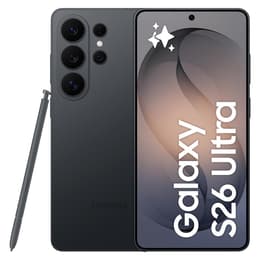
Galaxy A26 Vs Galaxy S26 Ultra
- 1-year minimum warranty
- Free delivery on all items
- Free 30-day returns
Differences at a glance
The Samsung Galaxy A26 (2025) and the Samsung Galaxy S26 Ultra (2026) represent two distinct approaches within the smartphone market, catering to vastly different user expectations and daily demands. While both devices run on the Android operating system paired with Samsung's custom interface, they differ significantly in processing power, camera capabilities, and build tier. Choosing between them depends largely on whether a user seeks practical, everyday functionality or advanced mobile capabilities.
Available Models
Colour
Storage
Scores
Durability
Long-term usability varies across these models based on their release timelines, software update schedules, and hardware construction.
- Software Support: Both devices benefit from extended software update commitments, though the later release date of the flagship model provides an extended window of support.
- Build and Materials: The Galaxy S26 Ultra incorporates reinforced glass and advanced frame materials designed for high resistance to wear, while the Galaxy A26 utilizes durable everyday plastics and glass protection suitable for standard handling.
- Repairs and Longevity: Both handsets offer robust design choices that support multi-year usage cycles, making quality-assured refurbished options a sustainable choice for environmentally conscious buyers looking to reduce electronic waste.
Year of Release
2025
2026
Compatible with latest Update
Yes
Yes
OS
Android
Android
Foldable
No
No
Performance
Internal hardware configurations dictate how each device handles multitasking, heavy applications, and day-to-day navigation.
- System Responsiveness: The Galaxy S26 Ultra handles intensive 3D gaming and demanding professional applications effortlessly, whereas the Galaxy A26 manages everyday tasks like web browsing, messaging, and media streaming smoothly.
- Multitasking Capacity: Generous memory allocations on the flagship model allow dozens of heavy apps to remain open simultaneously without reloading, while the mid-range configuration balances standard daily multitasking efficiently.
- Battery Management: Both smartphones integrate large battery capacities designed to last through a full day of typical use, though the charging speeds and power efficiency profiles differ during intensive workloads.
Screen quality
Display characteristics shape the visual experience for media consumption, reading, and outdoor visibility.
- Display Technology: Both models feature vibrant OLED panels that deliver deep contrast levels and rich colors, ensuring clear text and immersive video playback.
- Brightness Levels: The Galaxy S26 Ultra achieves higher peak luminance capabilities for comfortable outdoor viewing under direct sunlight, while the Galaxy A26 remains adequately visible in standard outdoor lighting conditions.
- Refresh Rate: Smooth scrolling and responsive touch interactions are supported by high refresh rate panels on both devices, enhancing fluid movement across user interface elements.
Resolution
1080x2340
1440 x 3120
Audiovisual
Optics and audio reproduction vary significantly, reflecting the intended use cases for each device category.
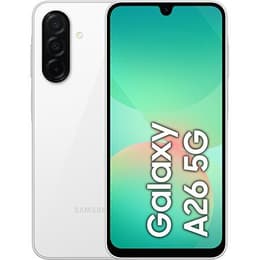
- Camera Systems: The Galaxy S26 Ultra includes a versatile multi-lens array featuring advanced telephoto zoom capabilities and a high-resolution primary sensor, while the Galaxy A26 provides a reliable standard triple-lens setup for everyday snapshots.
- Low-Light Photography: Advanced image processing and larger sensors on the flagship model capture greater detail in dim environments, whereas the mid-range alternative delivers clear photos in moderate lighting.
- Media and Audio: Stereo speaker setups on both phones offer clear dialogue and balanced sound output for hands-free calls and casual video viewing.
Front camera
13 megapixels
12.0
Miscellaneous
Physical dimensions and connectivity standards influence daily handling comfort and integration with accessory ecosystems.
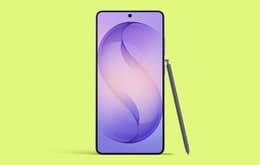
- Handling and Weight: The Galaxy A26 features a lighter profile and slightly slimmer build that sits comfortably in one hand, while the larger Galaxy S26 Ultra accommodates a wider display and integrated stylus housing.
- Connectivity: Both models support modern 5G networks, fast Wi-Fi standards, and Bluetooth pairing for wireless accessories.
- Biometrics: Secure authentication is handled via responsive fingerprint sensors and facial recognition capabilities across both handsets.
Weight
200 g
214 g
Screen size (in)
6.7
6.9
Mobile network
5G
5G
SIM card
Dual Physical SIM
Physical SIM + eSIM
Carrier compatibility
Unlocked
Unlocked
Connector
USB-C
USB-C
What the community thinks
User feedback highlights distinct preferences for each device across community forums. Owners of the Galaxy A26 frequently praise its reliable daily battery life, clean display, and practical feature set relative to its class. Conversely, users of the Galaxy S26 Ultra highlight its expansive screen estate, exceptional zoom photography, and swift system performance as primary advantages, though some note the larger footprint can feel heavy during prolonged one-handed use.
Users prioritizing high-end photography, maximum processing power, and productivity tools will find the Galaxy S26 Ultra well-suited to their needs. Meanwhile, users prioritizing straightforward everyday communication, media streaming, and essential smartphone tasks may prefer the balanced functionality of the Galaxy A26. For those wanting to make a sustainable choice, exploring a quality-assured refurbished option provides an eco-friendly alternative that extends device life cycles without compromising on performance standards.