Compare models
Galaxy A23 5G Vs iPhone 12 Pro
- 1-year minimum warranty
- Free delivery on all items
- Free 30-day returns
Differences at a glance
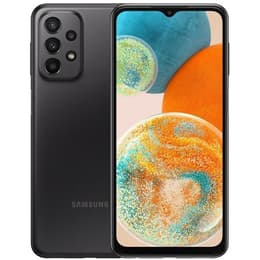
The Samsung Galaxy A23 5G (2022) and the iPhone 12 Pro (2020) offer distinct experiences depending on whether a user prioritises modern mid-range features or older flagship capabilities. While the Galaxy A23 5G provides a contemporary approach with a focus on battery endurance and a large, fluid display, the iPhone 12 Pro remains a powerful contender known for its sophisticated camera system and high-end build quality.
These devices operate on different platforms, with the Samsung utilising Android and the iPhone running iOS. This comparison explores how these two smartphones balance performance, durability, and visual quality to help you decide which fits your daily routine. Both models are available as a sustainable choice through quality-assured refurbished channels, offering a practical way to access reliable technology.
Available Models
Colour
Storage (GB)
Scores
Durability
When evaluating how long these devices will remain functional and relevant, the release dates and software support cycles play a significant role in the decision-making process.
- Software Longevity: The iPhone 12 Pro, despite being released two years earlier than the Galaxy A23 5G, typically benefits from Apple's extended software support, often receiving major updates for six to seven years. The Galaxy A23 5G follows a standard update schedule for mid-range Android devices, which generally includes several years of security patches but fewer major version upgrades.
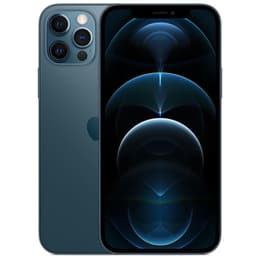
- Physical Resilience: The iPhone 12 Pro features a stainless steel frame and Ceramic Shield glass, designed to withstand daily wear and tear with a high degree of structural integrity. In contrast, the Galaxy A23 5G uses a reinforced plastic construction that is lightweight and resilient against impacts, though it may show surface scratches more easily over time.
- Maintenance: Both manufacturers have made strides in repair accessibility, though the Galaxy A23 5G often features a more modular internal design that can simplify certain hardware fixes. Users can expect both devices to serve reliably for several years with proper care.
Year of Release
2022
2020
Compatible with latest Update
Yes
Yes
OS
Android
iOS
Foldable
No
No
Performance
The daily user experience on these smartphones is shaped by how they handle multitasking, application loading, and power management throughout a busy day.
- System Responsiveness: The iPhone 12 Pro is engineered to handle demanding tasks such as high-resolution video editing and complex mobile gaming with ease, maintaining a high level of fluidness. The Galaxy A23 5G is well-suited for standard daily activities like social media browsing and streaming, though it may take slightly longer to launch heavy applications.
- Battery Endurance: With a high-capacity battery, the Galaxy A23 5G is designed to last through a full day of heavy use, often stretching into a second day for moderate users. The iPhone 12 Pro has a smaller physical battery but benefits from highly efficient software integration, though power users may need to charge by the evening.
- Storage and Memory: The Galaxy A23 5G offers the flexibility of expandable storage via a microSD card slot, allowing users to increase space for extra files. The iPhone 12 Pro comes with fixed internal storage options, requiring users to select their needed capacity at the time of purchase.
Screen quality
The visual experience differs significantly between these two models, as they utilise different display technologies to present content to the user.
- Display Technology: The iPhone 12 Pro features an OLED panel that produces deep blacks and high contrast ratios, making it ideal for watching high-definition movies. The Galaxy A23 5G uses an LCD screen which provides natural colour reproduction and sufficient brightness for most environments, though it lacks the absolute black levels found on OLED screens.
- Motion Smoothness: A standout feature of the Galaxy A23 5G is its high refresh rate, which allows for smoother scrolling and more fluid animations when navigating the interface. The iPhone 12 Pro operates at a standard refresh rate, which remains responsive and consistent but does not offer the same level of visual fluidity during fast-paced screen movements.
- Size and Viewing Area: Users who prefer a larger canvas for reading or watching videos will appreciate the 6.6-inch display on the Galaxy A23 5G. The iPhone 12 Pro offers a more compact 6.1-inch screen, which is easier to navigate with one hand while still providing ample space for most tasks.
Resolution
1080 x 2408
1170 x 2532
Screen type
PLS LCD
Super Retina XDR OLED
Audiovisual
For users who frequently take photos or consume media, the camera configurations and speaker setups are essential factors to consider.
- Photography Versatility: The iPhone 12 Pro is equipped with a sophisticated triple-lens system, including a dedicated telephoto lens for optical zooming and a scanner that assists with focus in low-light conditions. The Galaxy A23 5G features a high-resolution main sensor that captures detailed images in bright light, supported by ultra-wide and macro lenses.
- Video and Audio Recording: Video enthusiasts will find the iPhone 12 Pro particularly capable, offering advanced stabilisation and high-fidelity recording that captures professional-looking footage. The Galaxy A23 5G provides reliable video recording for casual use, though it lacks some of the advanced cinematic features found on the flagship model.
- Sound Output: The iPhone 12 Pro includes a stereo speaker system that delivers balanced and clear audio for music and videos. The Galaxy A23 5G typically relies on a single speaker setup, which is functional for calls and notifications but may not provide the same immersive depth for media.
Main camera
50 megapixels
12 megapixels
Front camera
8 megapixels
12 megapixels
Miscellaneous
Practical considerations such as connectivity, physical handling, and security features often determine how a device fits into a user's lifestyle.
- Connectivity and Ports: Both devices support 5G networks for fast data speeds. The Galaxy A23 5G uses a universal USB-C port for charging and retains a traditional headphone jack for wired audio, while the iPhone 12 Pro uses a Lightning port and requires wireless solutions or adapters for headphones.
- Biometric Security: Security is handled differently on each device; the Galaxy A23 5G features a fingerprint sensor integrated into the power button for quick access, whereas the iPhone 12 Pro uses facial recognition technology for secure access.
- Dimensions and Weight: The iPhone 12 Pro has a more compact and dense feel due to its metal and glass construction, making it feel substantial. The Galaxy A23 5G is larger and taller, which may be preferred by those who like a bigger phone, though its build keeps the weight manageable.
Weight
197 g
187 g
Screen size (in)
6.6
6.1
Mobile network
5G
5G
SIM card
Dual Physical SIM
Physical SIM + eSIM
Carrier compatibility
Unlocked
Unlocked
Connector
USB-C + Jack 3.5mm
Lightning
What the community thinks
Based on community discussions and user feedback, the Samsung Galaxy A23 5G is frequently praised for its exceptional battery life and the smoothness of its high refresh rate display, which many find impressive for its category. However, some users note that the camera performance can be inconsistent in challenging lighting. On the other hand, the iPhone 12 Pro continues to receive accolades for its consistent camera quality and the premium feel of its stainless steel design, though long-term users often mention that the battery health may require monitoring as the device ages.
Users who prioritise a large screen for media consumption and need a battery that can reliably last through a long day will find the Galaxy A23 5G well-suited to their needs. Conversely, those who value a more compact form factor, professional-grade photography features, and a more premium build material will likely lean toward the iPhone 12 Pro. Both smartphones represent capable choices for different types of users, whether they are professionals needing a reliable tool or students looking for a versatile daily companion.
Choosing a quality-assured refurbished option is an eco-friendly alternative that allows users to access these technologies while reducing environmental impact. By opting for a refurbished device, consumers can enjoy high-end features while supporting a more circular economy. Ultimately, the decision rests on whether one prefers the modern endurance of the Galaxy or the refined performance of the iPhone.