
Galaxy S21 5G Vs Google Pixel 7A

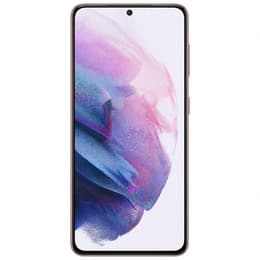
Galaxy S21 5G
Galaxy S21 5G
Starting at

Refurbished price:£128.00

Versus £829.00 new

See options
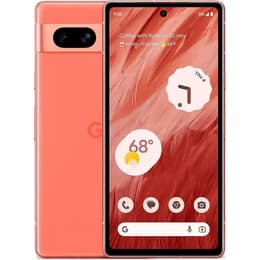
Google Pixel 7A
Google Pixel 7A
Starting at

Refurbished price:£128.00

Versus £649.99 new

See options

Ratings

The Samsung Galaxy S21 5G, released in early 2021, and the Google Pixel 7a, launched in mid-2023, represent two distinct philosophies within the Android smartphone market. While the Galaxy S21 was originally introduced as a flagship device with high-end specifications, the Pixel 7a arrived as a focused, mid-tier alternative designed to bring Google's latest software innovations to a broader audience. Both devices offer a compact form factor that is increasingly rare in the modern market, making them popular choices for users who prefer one-handed operation.

The primary differentiators between these two models lie in their display technology and camera configurations. The Galaxy S21 prioritises a high-refresh-rate screen and versatile zoom capabilities, whereas the Pixel 7a focuses on a streamlined software experience and intelligent image processing. Both devices run the Android operating system, but Samsung’s One UI provides a highly customisable interface, while Google’s Pixel UI offers a more minimalist and direct approach to the software.

Scores

Durability

When evaluating the longevity of these devices, the release dates play a significant role in determining how long they will receive official software support and security updates.

  • Software Support: The Galaxy S21 was released in 2021 with a commitment to four years of major operating system updates and five years of security patches. By 2026, this model is approaching the end of its major update cycle. In contrast, the Pixel 7a was released in 2023, meaning it will likely receive security updates for a longer period into the future, providing a slightly longer functional lifespan for users who prioritise the latest security features.
  • Build and Repairability: Both smartphones feature a mix of glass, metal, and high-quality plastics. The Galaxy S21 uses a reinforced polycarbonate back which is resistant to cracks, while the Pixel 7a uses a similar 3D thermoformed composite. Choosing a quality-assured refurbished option can extend the functional life of these devices, as professional technicians ensure that components like the battery and charging port are in good working order before the device reaches a new owner.
  • Practical Lifespan: Given the hardware capabilities, both phones are expected to remain responsive for everyday tasks for several years. However, the Pixel 7a has the advantage of being a newer release, which generally translates to better compatibility with future app requirements and system optimisations.

Year of Release

2021

2023

Compatible with latest Update

Yes

Yes

OS

Android

Android

Foldable

No

No

Performance

Performance in these devices is tailored toward different user needs, with one focusing on raw multitasking power and the other on intelligent software features.

  • System Responsiveness: The Galaxy S21 features internal hardware designed for flagship performance, allowing it to handle demanding applications and intensive mobile gaming with ease. Its high-refresh-rate display further enhances the feeling of speed when navigating the interface. The Pixel 7a, while not designed as a dedicated gaming device, uses a custom-designed processor that excels at machine learning tasks, such as real-time voice-to-text and automated call screening.
  • Multitasking and Memory: Both devices typically come equipped with 8GB of RAM, which is sufficient for keeping multiple apps open in the background without frequent reloading. This ensures a smooth experience when switching between a web browser, social media, and navigation tools during a busy day.
  • Battery Behaviour: The Pixel 7a houses a slightly larger battery capacity than the Galaxy S21. In real-world usage, both devices are capable of lasting through a full day of moderate use, though the Galaxy S21’s more frequent screen updates can consume power more quickly if the high-smoothness setting is constantly active.

Memory (GB)

8 GB

8 GB

Screen quality

The display is one of the most noticeable areas of difference between these two smartphones, affecting everything from scrolling to outdoor visibility.

  • Display Technology and Smoothness: The Galaxy S21 features a 120Hz AMOLED display, which means the screen refreshes 120 times per second. This results in exceptionally smooth animations and scrolling. The Pixel 7a uses a 90Hz OLED screen, which is smoother than standard displays but does not quite match the fluid motion found on the Samsung model.
  • Brightness and Clarity: For users who frequently use their phones outdoors, the Galaxy S21 offers a higher peak brightness, making the screen easier to read under direct sunlight. Both devices offer high-definition resolutions that ensure text looks sharp and images appear detailed during media consumption.
  • Viewing Experience: The Galaxy S21 has slightly thinner borders around the screen, providing a more modern look and a higher screen-to-body ratio. The Pixel 7a has a more traditional design with slightly more prominent edges, though it remains a vibrant and clear display for watching videos or browsing photos.

Resolution

1080 x 2400

1080 x 2400

Screen type

Dynamic AMOLED 2X

OLED

Audiovisual

While both phones are capable of capturing high-quality images, they use different hardware configurations to achieve their results.

  • Lens Versatility: The Galaxy S21 features a triple-camera system, including a dedicated telephoto lens. This allows users to take clear photos of distant subjects using a 3x hybrid zoom. The Pixel 7a lacks a dedicated zoom lens, instead relying on a dual-camera setup with a high-resolution main sensor and an ultra-wide lens for capturing expansive landscapes.
  • Image Processing: Google is well-known for its software-driven approach to photography. The Pixel 7a excels at capturing natural skin tones and managing difficult lighting conditions, such as sunsets or dimly lit rooms. The Galaxy S21 tends to produce more vibrant, saturated colours that many users find appealing for social media sharing.
  • Video and Audio: Both devices support 4K video recording, providing clear and stable footage for casual videographers. The Galaxy S21 offers more manual controls for video, while the Pixel 7a focuses on automated stabilisation and clear audio capture through its microphone array, making it a reliable choice for quick clips and video calls.

Main camera

12 megapixels

64 megapixels

Front camera

10 megapixels

13 megapixels

Miscellaneous

Beyond the core specifications, several practical features influence the daily handling and connectivity of these two smartphones.

  • Biometrics and Security: The Galaxy S21 uses an ultrasonic fingerprint sensor embedded under the display, which is known for being fast and reliable even if the user's fingers are slightly damp. The Pixel 7a uses an optical fingerprint sensor and also includes a face unlock feature, providing multiple ways to quickly access the device.
  • Connectivity and Ports: Both models support 5G connectivity, ensuring they are compatible with modern high-speed mobile networks. They both utilise USB-C ports for charging and data transfer, and neither device includes a traditional 3.5mm headphone jack, requiring the use of wireless headphones or a physical adapter.
  • Dimensions and Weight: The Galaxy S21 is slightly lighter and thinner than the Pixel 7a, which may appeal to users who prioritise a device that disappears easily into a pocket. The Pixel 7a has a slightly more robust feel in the hand, with a distinctive horizontal camera bar that prevents the phone from wobbling when placed flat on a table.

Weight

169 g

193 g

Screen size (in)

6.2

6.1

Mobile network

5G

5G

SIM card

Dual Physical SIM + eSIM

Physical SIM + eSIM

Carrier compatibility

Unlocked

Unlocked

In summary, the choice between the Samsung Galaxy S21 5G and the Google Pixel 7a depends largely on which features a user values most in their daily routine. Based on user feedback from various tech communities, the Galaxy S21 is frequently praised for its vibrant 120Hz display and the versatility of its telephoto zoom lens. However, some users note that as the device ages, the battery performance may require more careful management. The Pixel 7a is often commended for its straightforward software experience and its ability to take high-quality still photographs with minimal effort, though some users have mentioned that it can become warm during intensive tasks like long video calls.

Users who prioritise a smoother screen experience and the ability to zoom in on distant subjects will likely find the Galaxy S21 better suited to their needs. Conversely, those who prefer a newer device with longer-term security support and a highly intelligent camera for everyday snapshots may lean toward the Pixel 7a. Both smartphones remain excellent examples of compact Android engineering. Choosing either as a sustainable choice through a professional refurbishment service ensures that these capable devices continue to provide utility while reducing electronic waste. Ultimately, both the Galaxy S21 and the Pixel 7a offer a reliable and modern smartphone experience for the discerning user in 2026.


See all articles

Our recent comparisons