Galaxy Z Fold4 Vs Sony Xperia 1 IV

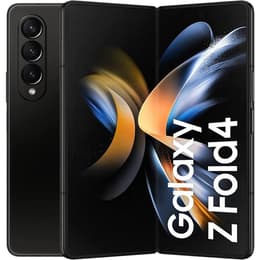
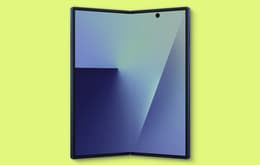
Galaxy Z Fold4
Galaxy Z Fold4
Starting at

Refurbished price:£352.00

Versus £1,889.00 new

See options
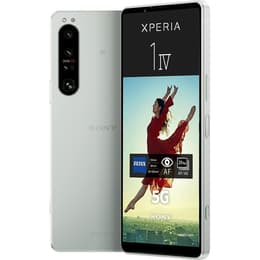
Sony Xperia 1 IV
Sony Xperia 1 IV
Starting at

Refurbished price:£347.00

Versus £1,500.00 new

See options

Ratings

The Samsung Galaxy Z Fold4, released in August 2022, and the Sony Xperia 1 IV, launched in May 2022, represent distinct approaches to high-end smartphone design. The Galaxy Z Fold4 offers a unique foldable form factor, transforming from a traditional smartphone into a larger tablet-like display, while the Xperia 1 IV maintains a conventional slate design with a focus on multimedia and professional camera features. Both devices operate on the Android platform, but cater to different user preferences through their core functionalities and design philosophies.

Scores

Durability

The longevity and expected lifespan of a smartphone are influenced by its build, software support, and repairability. These two devices, while both premium, offer different considerations in these areas.

  • Software Support: The Galaxy Z Fold4, launched with Android 12L, is eligible for four major Android OS updates, extending its software support up to Android 16, and will receive security updates until 2027. The Sony Xperia 1 IV, released with Android 12, was promised two major Android OS updates and three years of software support, having already received Android 14. Its security updates are expected to continue until May 2025.
  • Physical Durability: The Galaxy Z Fold4 features an Armor Aluminum frame and IPX8 water resistance, offering protection against submersion. However, some users have reported concerns regarding the durability of the inner foldable screen, including delamination and hinge issues over time. The Xperia 1 IV boasts an IP68 rating for both dust and water protection and uses Corning Gorilla Glass Victus on its front display for enhanced scratch resistance.
  • Repairability: While specific repairability scores vary, Samsung has made efforts to reduce the cost of screen repairs for the Z Fold4, particularly for those with a Samsung Care+ plan. The Xperia 1 IV has a reported repairability score of 5.5 out of 10, indicating a moderate level of repair complexity.

Year of Release

2022

2022

Compatible with latest Update

Yes

No

OS

Android

Android

Foldable

Yes

No

Performance

Both devices are equipped with powerful internal components designed to handle demanding applications and multitasking, though their real-world performance can differ based on their design and thermal management.

  • Processing Power: The Galaxy Z Fold4 is powered by a current-generation processor, enabling smooth operation across various applications, from everyday tasks to intensive gaming and multitasking across its large display. The Sony Xperia 1 IV also features a powerful current-generation processor, providing robust performance for general use and specialized multimedia applications.
  • Multitasking and Storage: Both smartphones come with 12GB of RAM, facilitating efficient multitasking and quick app switching. The Galaxy Z Fold4 offers internal storage options of 256GB, 512GB, or 1TB, without expandable storage. The Xperia 1 IV provides 256GB or 512GB of internal storage, with the added flexibility of microSD card expansion up to 1TB.
  • Thermal Management: Users of the Sony Xperia 1 IV have frequently reported issues with the device overheating, particularly during prolonged use of the camera, gaming, or other demanding tasks. This can lead to performance throttling and accelerated battery drain. The Galaxy Z Fold4 generally maintains consistent performance, though heavy usage can still impact battery life.

Memory (GB)

12 GB

12 GB

Screen quality

The display experience is a primary differentiator between these two smartphones, with the Galaxy Z Fold4 offering a unique adaptable screen and the Xperia 1 IV focusing on a high-resolution, cinematic aspect ratio.

  • Display Technology and Size: The Galaxy Z Fold4 features a 7.6-inch foldable OLED main display with a resolution of 1812x2176 pixels, offering deep blacks and vibrant colors. When folded, it utilizes a 6.2-inch OLED cover display. The Sony Xperia 1 IV sports a 6.5-inch OLED display with a 3840x1644 pixel (4K) resolution and a 21:9 cinematic aspect ratio, providing a highly detailed viewing experience.
  • Refresh Rate and Brightness: Both devices offer a 120Hz refresh rate, contributing to smoother scrolling and more fluid animations. The Galaxy Z Fold4's main display can reach a peak brightness of 1200 nits, ensuring good visibility in various lighting conditions. The Xperia 1 IV's display also offers improved brightness compared to its predecessor, enhancing outdoor visibility.
  • User Experience: The Z Fold4's large internal display is well-suited for multitasking and immersive media consumption, while its cover screen provides a convenient, traditional smartphone experience. The Xperia 1 IV's 4K resolution and 21:9 aspect ratio are particularly appealing for users who prioritize high-fidelity video playback and a cinematic viewing experience. Some Xperia 1 IV users have noted instances of a green tint on the display.

Resolution

1812 x 2176

1644 x 3840

Screen type

Foldable Dynamic AMOLED 2X

OLED

Audiovisual

Both smartphones offer advanced camera systems, but they approach photography and videography with different philosophies and features.

  • Rear Camera Systems: The Galaxy Z Fold4 is equipped with a versatile triple-camera setup on the rear, including a 50MP wide-angle lens, a 12MP ultrawide lens, and a 10MP telephoto lens capable of 3x optical zoom. The Sony Xperia 1 IV also features a triple 12MP camera system, comprising main, ultrawide, and a unique true optical zoom telephoto lens, emphasizing optical capabilities over computational photography.
  • Photography Performance: The Z Fold4 delivers strong performance in everyday photography, with its higher megapixel main sensor capturing detailed images. User feedback suggests its camera system is capable, though not always on par with dedicated flagship camera phones. The Xperia 1 IV's camera system, while offering advanced manual controls and true optical zoom, has received criticism from some users regarding its low-light performance and automatic mode, often requiring more user input to achieve optimal results.
  • Video and Audio Features: Both devices are capable of high-quality video recording. However, the Xperia 1 IV has faced significant user complaints about overheating during video recording, which can limit recording times and impact overall usability. The Xperia 1 IV also includes a 3.5mm headphone jack and front-facing stereo speakers, catering to audio enthusiasts. The Z Fold4 features multiple microphones for clear audio capture and stereo speakers for media playback.

Main camera

50 megapixels

12 megapixels

Front camera

4 megapixels

12 megapixels

Miscellaneous

Beyond their core features, several practical elements distinguish the Galaxy Z Fold4 and the Sony Xperia 1 IV, impacting daily usability and user convenience.

  • Form Factor and Handling: The Galaxy Z Fold4's foldable design means it is thicker and heavier when folded (263g) compared to the Xperia 1 IV (185g). When unfolded, the Z Fold4 offers a large, expansive screen for productivity and entertainment. The Xperia 1 IV maintains a more traditional, slender slate form factor, making it easier for one-handed use and pocketability.
  • Connectivity and Ports: Both phones support 5G connectivity, modern Wi-Fi standards, and Bluetooth. The Galaxy Z Fold4 uses a USB-C port for charging and data transfer. The Xperia 1 IV also features a USB-C port but uniquely includes a 3.5mm headphone jack, a feature absent on the Z Fold4.
  • Biometric Security and Other Features: Both devices incorporate fingerprint sensors for secure unlocking. The Z Fold4 has a side-mounted sensor, while the Xperia 1 IV also features a side-mounted fingerprint sensor. The Z Fold4 supports the S Pen (sold separately), enhancing its productivity capabilities on the main display. The Xperia 1 IV offers expandable storage via a microSD card slot, which is not available on the Z Fold4.

Weight

263 g

185 g

Screen size (in)

7.6

6,5

Mobile network

5G

5G

SIM card

Dual Physical SIM + eSIM

Physical SIM + eSIM

Carrier compatibility

Unlocked

Unlocked

The Samsung Galaxy Z Fold4 and the Sony Xperia 1 IV cater to different user priorities, each with its own set of strengths and considerations based on user experiences.

Users frequently praise the Galaxy Z Fold4 for its innovative foldable display, which offers a large screen for multitasking and media consumption, effectively combining a smartphone and a small tablet. However, common criticisms revolve around the long-term durability of the inner screen and hinge, with some users reporting issues like screen delamination and hinge failure over time. Its battery life, while adequate for moderate use, can be a concern for heavy users.

The Sony Xperia 1 IV is often lauded for its high-resolution 4K display and its advanced camera system, particularly for those who appreciate manual controls and true optical zoom. However, a recurring concern among users is the device's tendency to overheat, especially during demanding tasks like video recording or gaming, which can lead to performance throttling and impact battery life. Some users have also noted that its automatic camera mode may not always produce results comparable to other flagships, and there have been isolated reports of display tinting.

Users prioritizing a versatile, large-screen experience for productivity and immersive content, and who are comfortable with the unique aspects of a foldable device, may find the Galaxy Z Fold4 well-suited to their needs. Conversely, individuals who value a traditional smartphone form factor with a high-fidelity display for cinematic content, expandable storage, and advanced manual camera controls, and who are mindful of potential thermal management, might lean towards the Sony Xperia 1 IV. Both devices offer a premium experience, and considering a quality-assured refurbished option can be an eco-friendly alternative for either model.

See all articles

Our recent comparisons