

Smartphones
Compare models
Differences at a glance
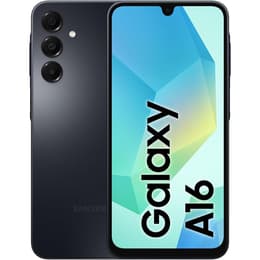
The Samsung Galaxy A16 and the Google Pixel 8 Pro are distinct smartphones catering to different user needs and expectations. The Galaxy A16, released in late 2024, is positioned as a budget-friendly device, while the Pixel 8 Pro, launched in late 2023, represents a flagship offering from Google. Both devices run on the Android operating system, but they diverge significantly in their hardware capabilities, software experiences, and overall feature sets.
Colour
Storage
The longevity of a smartphone is influenced by its release timeline, software support, and physical durability.
Year of Release
Foldable
Performance varies significantly between these two devices, impacting how smoothly they handle daily tasks and demanding applications.
The visual experience on both devices is shaped by their display technology, resolution, and refresh rate capabilities.
Resolution
Screen type
The camera systems on these smartphones are designed for different levels of photographic capability and user expectations.
Beyond core performance, several practical elements differentiate the user experience of these two smartphones.
Weight
Screen size (in)
Mobile network
SIM card
Carrier compatibility
User feedback for the Samsung Galaxy A16 often highlights its strong battery life and Samsung's commitment to extended software updates as significant advantages for a device in its category. Some users, however, note that its camera performance can be mediocre, particularly in low light, and that its processing power is suitable for basic tasks but may struggle with more demanding applications. The display is generally praised for its vibrancy.
The Google Pixel 8 Pro receives consistent praise for its exceptional camera system, with many users considering it among the best for smartphone photography, especially for its low-light capabilities and computational features. Its clean Android experience and long software support are also frequently cited as positives. Criticisms sometimes point to battery life being adequate but not class-leading for a flagship, and some users have reported occasional heating or performance stutters under heavy load.
Users prioritizing a long-lasting device with extensive software support for everyday communication and media consumption may find the Galaxy A16 well-suited to their needs, especially as a quality-assured refurbished option. Those who require a powerful camera, a highly responsive user experience, and the latest software innovations will likely lean towards the Pixel 8 Pro. Both devices offer distinct strengths, making the choice dependent on individual priorities for performance, photography, and overall user experience.