
Galaxy A16 Vs Galaxy Z Fold7

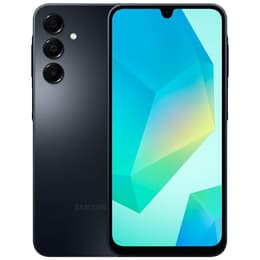
Galaxy A16
Galaxy A16
Starting at

Refurbished price:£100.62

Versus £206.96 new

See options
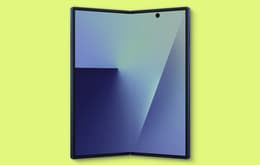
Galaxy Z Fold7
Galaxy Z Fold7
Starting at

Refurbished price:£916.00

Versus £1,799.00 new

See options

Ratings

The Samsung Galaxy A16, released in late 2024, represents a modern take on the traditional smartphone form factor, focusing on essential features and reliable performance. In contrast, the Samsung Galaxy Z Fold7, launched in mid-2025, pushes the boundaries of mobile technology with its innovative foldable design. Both devices operate on the Android platform, but they cater to distinct user needs and experiences, primarily differentiated by their physical design and performance capabilities.

Scores

Durability

When considering the long-term usability of these devices, their release timelines and software support are key factors.

  • Software Longevity: The Galaxy Z Fold7, as a flagship device, is expected to receive a longer period of Android operating system updates and security patches, typically extending to seven major Android upgrades. The Galaxy A16, while still receiving substantial support, is notable for its commitment to six years of Android updates and security patches, lasting until October 2030.
  • Physical Durability: The Galaxy A16 features a conventional slab design, which generally offers robust everyday durability. The Galaxy Z Fold7, with its complex folding mechanism and flexible inner display, introduces unique considerations for long-term physical wear, though Samsung continuously refines its foldable technology for enhanced resilience.
  • Repairability: Standard smartphones like the A16 often present a more straightforward repair process for common components. The Z Fold7's intricate design and specialized components can make repairs more complex, potentially impacting its practical lifespan if specialized repairs are needed.

Year of Release

2024

2025

Compatible with latest Update

Yes

Yes

OS

Android

Android

Foldable

No

Yes

Performance

The performance capabilities of the Galaxy A16 and Galaxy Z Fold7 are tailored to different usage demands.

  • Processing Power: The Galaxy Z Fold7 is equipped with a current-generation processor, designed to handle demanding applications, intensive multitasking, and high-fidelity mobile gaming with ease. The Galaxy A16 features a capable mid-range processor that provides smooth performance for everyday tasks, social media, web browsing, and casual gaming without noticeable stuttering or lag.
  • Multitasking and Responsiveness: The Galaxy Z Fold7 offers substantial RAM options, with up to 16GB available, supporting seamless transitions between numerous applications and heavy workload management. The Galaxy A16, with up to 8GB of RAM, handles light multitasking and typical daily usage smoothly.
  • Storage Options: Both devices offer various internal storage configurations. The Galaxy Z Fold7 provides options up to 1TB, catering to users with extensive media libraries or large application needs. The Galaxy A16 offers up to 256GB of internal storage, which is expandable via a microSDXC card, providing flexibility for users who need additional space.

Memory (GB)

4 GB

12 GB

Screen quality

The display experience is a primary differentiator between these two Samsung smartphones.

  • Display Technology and Size: The Galaxy Z Fold7 features two Dynamic AMOLED 2X displays: a large, foldable 8.0-inch inner screen and a 6.5-inch outer cover screen. Both offer vibrant colors, deep blacks, and excellent contrast. The Galaxy A16 typically comes with a single 6.7-inch Super AMOLED display, providing good visual clarity for its class.
  • Resolution and Clarity: The Z Fold7's displays boast higher resolutions and pixel densities, resulting in exceptionally sharp text and detailed images on both screens. The cover display has a 2520 x 1080 pixel resolution, and the main display offers 2184 x 1968 pixels. The Galaxy A16's Full HD+ resolution provides clear visuals suitable for general media consumption and daily use.
  • Brightness and Smoothness: The Galaxy Z Fold7's main display can reach up to 2,600 nits of brightness under specific conditions, ensuring excellent visibility even in direct sunlight. Both devices feature a 90Hz refresh rate for smoother scrolling and more fluid animations, though some A16 5G variants may offer 120Hz.

Resolution

1080 x 2340

1968 x 2184

Audiovisual

The camera systems on the Galaxy A16 and Galaxy Z Fold7 are designed for different levels of photographic capability.

  • Rear Camera System: The Galaxy Z Fold7 features a versatile triple rear camera system, including a 200 MP wide-angle sensor, a 12 MP ultra-wide lens, and a 10 MP telephoto lens with 3x optical zoom. This setup, combined with advanced image processing, allows for detailed and adaptable photography. The Galaxy A16 is equipped with a 50 MP main rear camera, often accompanied by a 5 MP ultrawide and a 2 MP macro lens, providing capable performance for everyday photos.
  • Low-Light and Video Performance: The Z Fold7's advanced camera hardware and image processing engine are designed to excel in various lighting conditions, including low light, and offer high-quality video recording with features like 10-bit HDR+. The Galaxy A16 captures clear images and videos in well-lit environments, suitable for casual use and social sharing.
  • Front-Facing Cameras: For selfies and video calls, the Galaxy Z Fold7 includes a 10 MP cover camera and an additional 10 MP hole-punch camera on the main display. The Galaxy A16 features a 13 MP front camera, providing clear images for video calls and self-portraits.

Miscellaneous

Beyond core performance and display, several practical features distinguish these two devices.

  • Connectivity and Ports: Both devices support 5G connectivity for fast mobile data. The Galaxy Z Fold7 typically incorporates the latest Wi-Fi standards, such as Wi-Fi 7, and current Bluetooth versions for cutting-edge wireless performance. The Galaxy A16 offers robust Wi-Fi 6/6E and current Bluetooth standards. Both utilize a USB-C port for charging and data transfer.
  • Biometric Security: Both devices offer reliable biometric security. The Galaxy A16 typically features a side-mounted fingerprint sensor. The Galaxy Z Fold7 often includes an under-display fingerprint sensor on its cover screen and a side-mounted sensor for the main screen, alongside advanced facial recognition.
  • Physical Design and Handling: The Galaxy A16 maintains a traditional smartphone form factor, making it generally lighter and thinner for single-handed use. The Galaxy Z Fold7, while refined to be thinner than predecessors, is notably heavier at 215g and thicker when folded, but it transforms into a larger, tablet-like display when unfolded, offering unique productivity benefits. The Z Fold7 uses premium materials like glass and aluminum, while the A16 often features a durable plastic build.

Weight

200 g

187 g

Screen size (in)

6.7

8

Mobile network

4G

5G

SIM card

Dual Physical SIM

Dual Physical SIM + eSIM

Carrier compatibility

Unlocked

Unlocked

Connector

USB-C

USB-C

The Samsung Galaxy A16 and Galaxy Z Fold7 cater to distinct user preferences and needs. Users who prioritize a traditional smartphone experience with reliable performance for everyday tasks, extended software support, and a focus on essential features will find the Galaxy A16 well-suited to their requirements. It offers a solid display, capable cameras, and a long-lasting battery for general use.

Conversely, users seeking a cutting-edge mobile experience with a versatile, large foldable display for enhanced productivity, immersive media consumption, and demanding applications will lean towards the Galaxy Z Fold7. Its powerful processor, advanced camera system, and dual-screen functionality provide a premium and adaptable user experience. The Z Fold7 is designed for those who value innovation and a device that can seamlessly transition between a smartphone and a tablet-like interface.

Ultimately, the choice depends on whether a user prioritizes a straightforward, dependable device or an innovative, high-performance foldable. For those considering either option, exploring quality-assured refurbished alternatives can be an eco-friendly way to access these devices.

See all articles

Our recent comparisons