
Samsung
Compare models
Differences at a glance
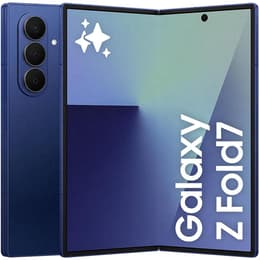
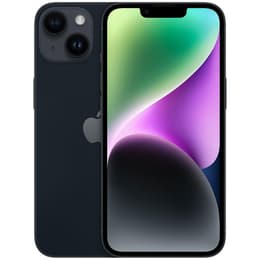
The Samsung Galaxy Z Fold7 (2025) and the iPhone 14 (2022) represent two very different approaches to the modern smartphone experience. While the Galaxy Z Fold7 is a cutting-edge foldable device designed for productivity and immersive media, the iPhone 14 remains a reliable, traditional smartphone that focuses on simplicity and ease of use. These devices operate on different ecosystems—Android and iOS respectively—offering distinct user interfaces and app experiences tailored to their specific hardware capabilities. Choosing between them involves weighing the benefits of a transformative, large-screen experience against the familiarity and compact nature of a classic slab-style phone.
Colour
Storage
The Galaxy Z Fold7, being a much newer release from 2025, benefits from a significantly longer projected software support window, with the manufacturer committing to many years of security and operating system updates. In contrast, the iPhone 14 was released in 2022 and, while still receiving regular updates, is further along in its lifecycle, meaning its remaining support window is shorter than that of the newer Samsung model.
Year of Release
Compatible with latest Update
OS
Foldable
In terms of daily operation, the Galaxy Z Fold7 is built to handle intensive multitasking, allowing users to run multiple apps side-by-side without any noticeable slowdown. The iPhone 14, despite being older, maintains a high level of responsiveness for standard tasks like social media, web browsing, and photography, though it may not feel quite as instantaneous when launching the most demanding modern applications.
The most striking difference between these two devices is the display technology and size. The Galaxy Z Fold7 features a unique dual-screen setup, including a standard outer display and a massive, tablet-sized internal screen that folds in half. The iPhone 14 uses a traditional 6.1-inch display that is bright and clear but lacks the versatility and the high-speed motion smoothness found on the newer Samsung device.
Resolution
Photography and media consumption are handled differently by each device. The Galaxy Z Fold7 boasts a versatile triple-camera system on the rear, providing multiple zoom levels and wide-angle perspectives. The iPhone 14 utilises a dual-camera system that prioritises natural colour reproduction and ease of use, making it a favourite for those who want to point and shoot without adjusting settings.
The physical footprint and connectivity of these devices cater to different lifestyles. The iPhone 14 is slim, lightweight, and easy to use with one hand, featuring the older Lightning port for charging. The Galaxy Z Fold7 is a much larger and heavier device that uses the modern USB-C standard and supports a digital stylus for note-taking and drawing, which is not an option on the iPhone.
Weight
Screen size (in)
Mobile network
SIM card
Carrier compatibility
User feedback for the Galaxy Z Fold7 often highlights the impressive utility of the folding screen for productivity and media, though some users mention the device's weight and the visible crease in the middle of the screen as minor trade-offs. On the other hand, iPhone 14 users frequently praise the device for its reliability, the simplicity of the iOS ecosystem, and its comfortable size, though some note that it lacks the high-end display features found in more modern or specialized models. Choosing a quality-assured refurbished option for either of these devices is an eco-friendly alternative that helps reduce electronic waste while providing a high-performance experience.
Users who prioritise a large screen for work, gaming, or media consumption, and who want the latest technology, will likely find the Galaxy Z Fold7 to be the better fit for their needs. Those who prefer a compact, durable, and straightforward smartphone that integrates seamlessly with other Apple products will find the iPhone 14 to be a highly capable and dependable choice. Ultimately, the decision rests on whether you value the innovative, multi-screen capabilities of a modern foldable or the proven, classic design of a traditional smartphone. Both devices offer excellent performance within their respective generations, ensuring a high-quality experience regardless of which path you choose.