
Compare models

Galaxy Z Flip7 Vs iPhone 15 Plus

  • 1-year minimum warranty
  • Free delivery on all items
  • Free 30-day returns
Galaxy Z Flip7
Starting at

Refurbished price:£489.00

Versus £1,156.31 new

See options
iPhone 15 Plus
Starting at

Refurbished price:£397.00

Versus £799.00 new

See options

Differences at a glance

The Samsung Galaxy Z Flip7 (2025) and the Apple iPhone 15 Plus (2023) represent two entirely distinct approaches to smartphone design within the modern market. While the Galaxy Z Flip7 offers a compact folding form factor running on the Android operating system, the iPhone 15 Plus provides a traditional large-screen smartphone experience powered by iOS. These structural differences shape how users interact with their devices daily, offering unique advantages depending on personal preferences for physical size and software ecosystems.

Available Models

Colour

Storage (GB)

Scores

Durability

Evaluating the long-term viability of these devices involves looking at release timelines, software update commitments, and structural design factors that influence physical longevity.

  • Software Support Timelines: Both manufacturers provide long-term operating system updates, ensuring multi-year compatibility for security patches and new features, though their launch years differ slightly.
  • Structural Resilience: The iPhone 15 Plus utilizes a traditional glass and aluminum slab construction with standard drop resistance, whereas the Galaxy Z Flip7 incorporates advanced hinge engineering and a flexible folding screen that requires mindful handling over time.
  • Repairability and Maintenance: Traditional candy-bar phones like the iPhone generally present simpler structural maintenance profiles compared to folding displays, which may require specialized service procedures over extended periods of use.

Year of Release

2025

2023

Compatible with latest Update

Yes

Yes

OS

Android

iOS

Foldable

Yes

No

Performance

Daily operation, multitasking capacity, and energy management vary significantly based on how each device allocates its internal resources and manages battery consumption.

  • Multitasking and App Handling: Both devices deliver smooth application launching, responsive navigation, and fluid switching between demanding software without noticeable stutter.
  • Battery Behavior: The iPhone 15 Plus typically maintains extended usage endurance across a full day thanks to efficient power management, while the Galaxy Z Flip7 manages a compact internal battery that may require more frequent recharges during heavy multitasking sessions.
  • Storage Configurations: Each device offers multiple tiers of internal space to accommodate large photo libraries, downloaded media, and offline applications.

Screen quality

Visual output and display characteristics differ primarily due to physical form factors, influencing how media, text, and outdoor content appear.

  • Display Technology: Both models utilize vibrant OLED panels that deliver deep contrast levels and rich color reproduction, though the Galaxy Z Flip7 features a foldable main interior screen alongside an external cover display.
  • Outdoor Visibility: High maximum brightness levels on both devices ensure that text and images remain legible under direct sunlight conditions.
  • Refresh Dynamics: Smooth scrolling performance is supported on both displays, enhancing overall responsiveness during web browsing and interface navigation.

Resolution

1080x2520

1290 x 2796

Audiovisual

Imaging capabilities and multimedia output cater to varied photography preferences through distinct multi-lens hardware layouts and processing software.

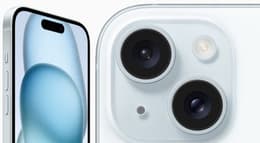
  • Lens Configurations: The iPhone 15 Plus employs a dual rear camera system featuring high-resolution main sensors and an ultra-wide option, while the Galaxy Z Flip7 utilizes a foldable-optimized dual setup that allows for flexible angles and hands-free framing.
  • Low-Light Performance: Advanced computational photography helps both models capture clear, detailed images in dim environments with minimal visual noise.
  • Audio and Video Output: Stereo speakers on both units deliver clear sound for media consumption, and integrated microphones handle calls and voice recordings with reliable clarity.

Main camera

50 megapixels

48 megapixels

Front camera

10 megapixels

12 megapixels

Miscellaneous

Physical dimensions, connectivity standards, and daily usability features define the ergonomic differences between these two contrasting devices.

  • Connectivity and Ports: Both models support modern 5G cellular networks, high-speed Wi-Fi standards, and utilize universal USB-C ports for charging and data transfer.
  • Biometric Security: The iPhone 15 Plus relies on facial recognition technology, whereas the Galaxy Z Flip7 incorporates a side-mounted fingerprint sensor integrated into the power button.
  • Form Factor and Handling: The Galaxy Z Flip7 folds down to half its size for easy pocket storage, while the iPhone 15 Plus offers a wide, thin traditional profile suited for two-handed media viewing.

Weight

188 g

201 g

Screen size (in)

6.9

6.7

Mobile network

5G

5G

SIM card

Physical SIM + eSIM

Physical SIM + eSIM

Carrier compatibility

Unlocked

Unlocked

Connector

USB-C

USB-C

What the community thinks

Users transitioning between mobile ecosystems will find distinct advantages in both options depending on their daily routines and priorities. Those who favor a traditional large-screen format with extended battery endurance and simple handling frequently gravitate toward the iPhone 15 Plus. Conversely, individuals seeking a pocket-friendly device that expands into a full-sized display often prefer the flexible design of the Galaxy Z Flip7. Common discussions across consumer forums note appreciation for the compact portability of folding phones, alongside praise for the reliable battery performance found in larger traditional handsets. Selecting the right model depends entirely on whether physical compactness or conventional slab ergonomics best fit your lifestyle. For shoppers exploring sustainable choices, choosing a quality-assured refurbished option provides a reliable and eco-friendly alternative that extends the lifecycle of these electronics. Weighing these practical operational differences ensures an informed decision tailored to your specific usage patterns.