
Galaxy A13 Vs Google Pixel Fold

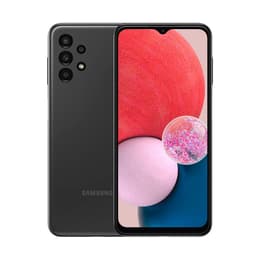
Galaxy A13
Galaxy A13
Starting at

Refurbished price:£73.00

Versus £249.00 new

See options
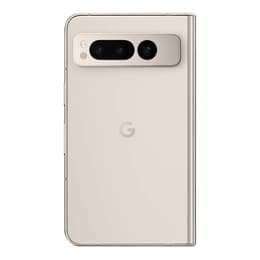
Google Pixel Fold
Google Pixel Fold
Starting at

Refurbished price:£373.00

Versus £1,499.00 new

See options

Ratings

The Samsung Galaxy A13 (2022) and the Google Pixel Fold (2023) represent distinct approaches to smartphone design and functionality. The Galaxy A13 is a traditional slab-style smartphone, focusing on core features and accessibility, while the Pixel Fold introduces a foldable design, offering an expansive internal display for enhanced multitasking and media consumption. These devices cater to different user priorities, with the A13 emphasizing straightforward usability and the Pixel Fold prioritizing innovative form factor and advanced capabilities.

Scores

Durability

The expected practical lifespan of a smartphone is influenced by its initial build quality, software support, and the nature of its components. The Galaxy A13 and Pixel Fold offer different longevity propositions.

  • Software Support: The Samsung Galaxy A13 launched with Android 12 and is upgradable to Android 13, receiving several years of security updates. The Google Pixel Fold, released with Android 13, is set to receive five years of OS and security updates from its release date, extending its software longevity.
  • Repairability: The Galaxy A13 has been noted for a relatively high repairability score, with components like the screen and battery being replaceable with appropriate tools. The Pixel Fold, despite its complex foldable design, also offers official self-repair support through partners like iFixit, a notable feature for a foldable device.
  • Physical Durability: The Galaxy A13 features Corning Gorilla Glass 5 for its display, offering a degree of scratch and drop resistance. The Pixel Fold incorporates Gorilla Glass Victus on its cover display and boasts an IPX8 water resistance rating, indicating protection against submersion, though foldable screens inherently present unique durability considerations.

Year of Release

2022

2023

Compatible with latest Update

No

Yes

OS

Android

Android

Foldable

No

Yes

Performance

Performance differences between these two devices are significant, reflecting their distinct hardware and intended use cases. The Galaxy A13 is designed for everyday tasks, while the Pixel Fold is built for demanding applications and multitasking.

  • Processing Power: The Galaxy A13 is equipped with an octa-core processor, suitable for general smartphone usage like browsing, social media, and light applications. The Pixel Fold features a current-generation processor, designed to handle intensive multitasking, complex applications, and advanced features smoothly, including those optimized for its foldable form factor.
  • Multitasking and Responsiveness: With varying RAM configurations (3GB to 6GB), the Galaxy A13 provides adequate performance for typical app usage, though users may experience occasional delays with heavier workloads. The Pixel Fold comes with a substantial 12GB of RAM, enabling seamless transitions between multiple applications and efficient handling of demanding processes.
  • Storage Options: Both devices offer multiple internal storage capacities, with the Galaxy A13 ranging from 32GB to 128GB and supporting microSD card expansion up to 1TB. The Pixel Fold provides 256GB or 512GB of internal storage, without expandable memory, catering to users who require ample space for apps and media.
  • Battery Behavior: The Galaxy A13 features a 5000 mAh battery, often providing over a full day of use for many users. The Pixel Fold, with a 4821 mAh battery, is designed to power its dual, high-refresh-rate displays and advanced processor, offering reliable daily usage, with some reports indicating strong endurance even with heavy use of the internal display.

Memory (GB)

4 GB

12 GB

Screen quality

The display experience is a primary differentiator, with the Pixel Fold offering a versatile, expansive viewing area compared to the Galaxy A13's conventional screen.

  • Display Technology and Clarity: The Galaxy A13 features a 6.6-inch PLS TFT LCD with a Full HD+ resolution, providing clear visuals for everyday content. The Pixel Fold boasts two OLED displays: a 5.8-inch cover screen and a 7.6-inch internal foldable screen, both offering vibrant colors, deep blacks, and high clarity.
  • Brightness and Outdoor Visibility: The Galaxy A13's LCD screen offers adequate brightness for indoor and typical outdoor conditions. The Pixel Fold's OLED panels provide high peak brightness levels (up to 1550 nits for the cover and 1450 nits for the inner display), ensuring excellent visibility even in bright outdoor environments.
  • Refresh Rate and Smoothness: The Galaxy A13 has a standard 60Hz refresh rate, which is suitable for general navigation and media consumption. Both displays on the Pixel Fold feature a 120Hz variable refresh rate, contributing to smoother scrolling, more fluid animations, and a more responsive user experience.
  • Screen Size and Viewing Experience: The Galaxy A13 offers a large, flat 6.6-inch display for a traditional smartphone experience. The Pixel Fold's unique design allows for a compact 5.8-inch cover screen for quick interactions and a large 7.6-inch internal display that unfolds to provide an immersive canvas for productivity, gaming, and media viewing.

Resolution

1080 x 2408

1840 x 2208

Screen type

PLS LCD

Foldable OLED

Audiovisual

Camera capabilities vary significantly, with the Pixel Fold offering a more advanced and versatile photography system compared to the Galaxy A13's functional setup.

  • Rear Camera System: The Galaxy A13 features a quad-camera setup with a 50MP main sensor, a 5MP ultrawide, and two 2MP sensors for macro and depth. The Pixel Fold includes a triple rear camera system: a 48MP main sensor with optical image stabilization, a 10.8MP ultrawide, and a 10.8MP telephoto lens with 5x optical zoom.
  • Photography Performance: The Galaxy A13's main camera performs well in good lighting conditions, capturing clear and colorful shots, though low-light performance is less robust. The Pixel Fold leverages its advanced sensors and computational photography to deliver detailed images with natural colors across various lighting conditions, including strong low-light performance.
  • Video Recording Quality: Both the front and rear cameras of the Galaxy A13 record video at 1080p resolution at 30 frames per second, without 4K support, night mode, or slow motion. The Pixel Fold supports 4K video recording at 30 or 60 frames per second with its main rear cameras and cover screen camera, offering more advanced video capabilities.
  • Front-Facing Cameras: The Galaxy A13 has an 8MP front camera, suitable for basic selfies and video calls. The Pixel Fold offers a 9.5MP camera on its cover display and an 8MP camera on the internal foldable screen, providing flexibility for selfies and video conferencing, with the option to use the higher-quality rear cameras for selfies by using the cover screen as a viewfinder.

Main camera

50 megapixels

48 megapixels

Front camera

8 megapixels

8 megapixels

Miscellaneous

Beyond core specifications, several practical elements contribute to the overall user experience and differentiate these two devices.

  • Connectivity Standards: The Galaxy A13 supports 4G LTE, Wi-Fi 5, and Bluetooth 5, providing standard wireless connectivity. The Pixel Fold offers more advanced connectivity with 5G support, newer Wi-Fi standards, and USB-C 3.2 Gen 2, enabling faster data speeds and more efficient transfers.
  • Ports and Biometrics: The Galaxy A13 includes a USB-C 2.0 port and retains a 3.5mm headphone jack, along with a side-mounted fingerprint sensor. The Pixel Fold features a USB-C port and integrates a fingerprint sensor, offering secure and convenient unlocking.
  • Build Materials and Handling: The Galaxy A13 is constructed with a glass front (Gorilla Glass 5) and a plastic back and frame, weighing around 195g. The Pixel Fold, while featuring a premium build with Gorilla Glass Victus on its cover display, is a heavier device at 283g and has a thicker profile when folded, though it becomes notably thin when unfolded.
  • Unique Features: The Pixel Fold's primary distinguishing feature is its foldable design, which allows for a large tablet-like screen in a portable form factor, enhancing multitasking and media consumption. It also boasts IPX8 water resistance. The Galaxy A13 focuses on delivering a reliable smartphone experience with expandable storage, a feature not found on the Pixel Fold.

Weight

195 g

283 g

Screen size (in)

6.6

7.6

Mobile network

4G

5G

SIM card

Dual Physical SIM

Physical SIM + eSIM

Carrier compatibility

Unlocked

Unlocked

The Samsung Galaxy A13 and Google Pixel Fold cater to fundamentally different user needs and expectations. User feedback for the Galaxy A13 often praises its long battery life and functional camera system for its category, making it a practical choice for essential smartphone tasks. Criticisms sometimes point to its performance, which can feel sluggish with demanding applications, and its display, while clear, lacks the vibrancy of more advanced panels.

The Google Pixel Fold receives commendation for its innovative foldable design, offering a versatile large screen experience, and its high-quality camera system. However, some users have noted concerns regarding its initial durability, weight, and the crease on the inner display.

Users prioritizing a straightforward, reliable smartphone for daily communication, browsing, and media consumption, who also value expandable storage and a traditional form factor, may find the Galaxy A13 well-suited to their needs. Conversely, individuals seeking a device that offers an expansive screen for enhanced productivity, immersive media, and advanced photography capabilities, and who are drawn to innovative technology, may lean toward the Pixel Fold. Both devices are available as quality-assured refurbished options, providing an eco-friendly alternative for consumers.

See all articles

Our recent comparisons