
Galaxy A13 Vs Galaxy A15 5G

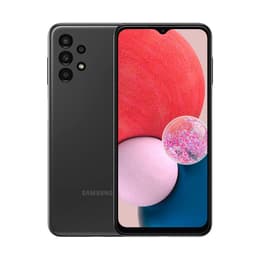
Galaxy A13
Galaxy A13
Starting at

Refurbished price:£73.00

Versus £249.00 new

See options
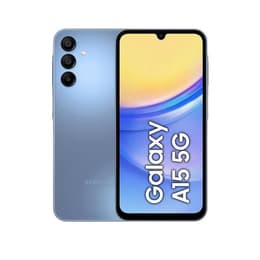
Galaxy A15 5G
Galaxy A15 5G
Starting at

Refurbished price:£99.00

Versus £212.30 new

See options

Ratings

The Samsung Galaxy A13, released in March 2022, and the Samsung Galaxy A15 5G, launched in December 2023, are both Android-based smartphones from Samsung's A series. While they share a similar design philosophy and aim to provide essential smartphone features, the newer Galaxy A15 5G introduces notable enhancements in display technology, charging speed, and software longevity. Both devices operate on the Android platform with Samsung's One UI overlay, offering a familiar user experience.

Scores

Durability

When considering the practical lifespan of these devices, several factors come into play, including their release timelines and software support.

  • Release Timeline: The Galaxy A13 was released in March 2022, making it an older model compared to the Galaxy A15 5G, which launched in December 2023. This difference in release date directly impacts their expected support cycles.
  • Software Longevity: The Galaxy A13 is slated to receive two major Android OS upgrades and four years of security updates. In contrast, the Galaxy A15 5G is promised four OS upgrades and five years of security updates, extending its usable life with current software features and security patches significantly longer.
  • Repairability: Both models feature a plastic build, which can contribute to their durability in everyday use. The Galaxy A13 includes Corning Gorilla Glass 5 for screen protection. While specific repairability scores vary, both are designed with components that can be serviced, making them viable options for those considering quality-assured refurbished devices.

Year of Release

2022

2023

Compatible with latest Update

No

Yes

OS

Android

Android

Foldable

No

No

Performance

The performance of a smartphone is crucial for daily tasks, from navigating apps to handling multimedia. Both the Galaxy A13 and Galaxy A15 5G offer capabilities suited for general use, but the newer model provides a more responsive experience.

  • System Responsiveness: The Galaxy A13, powered by its internal processor, handles everyday applications and web browsing adequately, though some users have reported occasional sluggishness and lag, particularly with heavier apps or over time. The Galaxy A15 5G, featuring a more recent processor, generally offers smoother navigation and quicker app loading times, providing a more fluid user experience.
  • Multitasking Capabilities: While both devices come with various RAM configurations, the Galaxy A15 5G's updated internal components contribute to better handling of multiple applications simultaneously, reducing instances of freezing or slowdowns that some Galaxy A13 users have experienced.
  • Storage Options: Both models offer internal storage options typically ranging from 64GB to 128GB, with some variants of the A15 5G extending to 256GB. Both also support expandable storage via a microSD card, allowing users to increase space for apps, photos, and videos.

Memory (GB)

4 GB

4 GB

Screen quality

The display is a primary interface for smartphone interaction, and there are notable differences in the screen technology and viewing experience between these two Galaxy models.

  • Display Technology and Clarity: The Galaxy A13 features a 6.6-inch PLS TFT LCD display with Full HD+ resolution, offering clear visuals for general content consumption. The Galaxy A15 5G, on the other hand, upgrades to a 6.5-inch Super AMOLED display, also with Full HD+ resolution. This change provides deeper blacks, higher contrast, and more vibrant colors, enhancing the visual experience significantly.
  • Brightness and Outdoor Visibility: The Super AMOLED screen of the Galaxy A15 5G typically achieves higher brightness levels, including a High Brightness Mode (HBM) of up to 800 nits, which improves visibility in bright outdoor conditions compared to the Galaxy A13's LCD panel.
  • Refresh Rate: The Galaxy A13 has a standard 60Hz refresh rate. The Galaxy A15 5G features a 90Hz refresh rate, resulting in smoother scrolling and a more responsive feel when interacting with the screen, which is particularly noticeable during web browsing and social media use.

Resolution

1080 x 2408

1080 x 2340

Screen type

PLS LCD

Super AMOLED

Audiovisual

Both the Galaxy A13 and Galaxy A15 5G are equipped with multi-camera systems designed for everyday photography, though the newer model offers some refinements.

  • Main Camera Performance: Both devices feature a 50-megapixel main camera, capable of capturing detailed images in good lighting conditions. The Galaxy A15 5G's main sensor is generally considered to offer slightly improved image processing and clarity.
  • Additional Lenses: The Galaxy A13 (4G variant) includes a 5-megapixel ultrawide, 2-megapixel macro, and 2-megapixel depth sensor. The A13 5G variant typically omits the ultrawide. The Galaxy A15 5G consistently offers a 5-megapixel ultrawide and a 2-megapixel macro camera, providing more versatility for different shot types.
  • Front Camera and Video: The Galaxy A13 features an 8-megapixel (4G) or 5-megapixel (5G) front camera, while the Galaxy A15 5G comes with a 13-megapixel front camera, offering higher resolution for selfies and video calls. Both phones support video recording up to 1080p at 30 frames per second.

Main camera

50 megapixels

50 megapixels

Front camera

8 megapixels

13 megapixels

Miscellaneous

Beyond core features, several practical elements differentiate these two smartphones, impacting daily convenience and connectivity.

  • Connectivity: The Galaxy A15 5G, as its name suggests, offers 5G network support, providing faster mobile data speeds where available. Both devices support Wi-Fi (802.11 a/b/g/n/ac) and Bluetooth, with the A15 5G featuring the newer Bluetooth 5.3 compared to the A13's Bluetooth 5.0, potentially offering more stable and efficient connections with accessories. The A15 5G also includes NFC for contactless payments, a feature often absent in some A13 variants.
  • Charging Speed: Both phones are equipped with a 5000 mAh battery, providing ample power for extended use. However, the Galaxy A15 5G supports faster 25W wired charging, allowing it to recharge more quickly than the Galaxy A13, which supports 15W charging.
  • Design and Build: Both devices feature a plastic construction. The Galaxy A15 5G introduces Samsung's 'Key Island' design, a raised section around the power and volume buttons, which some users find enhances grip and tactile feedback. The Galaxy A13's screen is protected by Corning Gorilla Glass 5.

Weight

195 g

200 g

Screen size (in)

6.6

6.5

Mobile network

4G

5G

SIM card

Dual Physical SIM

Dual Physical SIM

Carrier compatibility

Unlocked

Unlocked

The Samsung Galaxy A13 and Galaxy A15 5G cater to users seeking functional smartphones for everyday needs. User feedback for the Galaxy A13 often highlights its robust battery life and decent main camera performance in well-lit conditions. However, common criticisms include noticeable performance slowdowns over time, particularly with multitasking and demanding applications, and a display that, while clear, lacks the vibrancy of more advanced panels. Some users also express disappointment with the quality of its secondary cameras.

The Galaxy A15 5G generally receives praise for its significant display upgrade to Super AMOLED, offering a more engaging visual experience with smoother scrolling thanks to its 90Hz refresh rate. Its improved charging speed and extended software support are also frequently cited as strong advantages. While its performance is an improvement over the A13, some users still report occasional sluggishness, especially when pushing the device with heavy usage or multiple apps. The camera system is seen as competent for its segment, though the secondary lenses may not always impress.

Users prioritizing a more modern viewing experience, faster charging, and longer software support will find the Galaxy A15 5G to be a more suitable choice. Its Super AMOLED display and 90Hz refresh rate make it better for media consumption and general interaction. Conversely, those looking for a device for basic communication, web browsing, and light app usage, where the display technology and absolute speed are less critical, might find the Galaxy A13 sufficient. For consumers interested in making an eco-friendly choice, both models are available as quality-assured refurbished options, providing a sustainable alternative to purchasing new devices.


See all articles

Our recent comparisons