Compare models
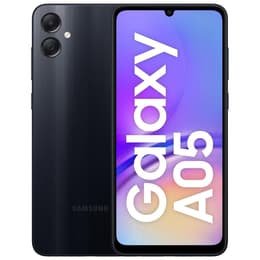
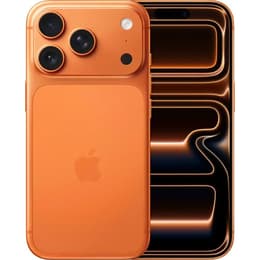
Galaxy A05 Vs iPhone 17 Pro
- 1-year minimum warranty
- Free delivery on all items
- Free 30-day returns
Differences at a glance
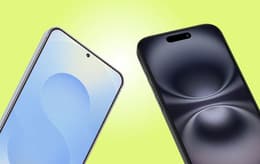
The Samsung Galaxy A05 (2023) and the Apple iPhone 17 Pro (2025) occupy entirely different tiers of the smartphone market, catering to vastly different user expectations and daily demands. While the Galaxy A05 provides an accessible entry point focused on core communication tasks, the iPhone 17 Pro delivers high-end materials, advanced multi-lens photography, and rigorous computing performance. Operating on distinct software ecosystems with Android and iOS respectively, these two devices reflect contrasting approaches to mobile technology without overlapping in functionality or target audience.
Available Models
Colour
Storage
Scores
Durability
When examining longevity and structural upkeep, these two devices approach software support and hardware durability from opposite ends of the spectrum.
- Software Support Duration: The iPhone 17 Pro benefits from an extended multi-year update window backed by frequent system patches, whereas the Galaxy A05 features a more limited software update cycle suited for foundational usage.
- Build Integrity: The iPhone 17 Pro utilizes advanced reinforced glass and a durable unibody framework designed to withstand demanding environments, compared to the plastic back and frame construction of the Galaxy A05.
- Practical Lifespan: Users seeking prolonged hardware relevance and long-term operating system updates will find the iPhone 17 Pro structurally equipped for extended years of active service.
Year of Release
2023
2025
Compatible with latest Update
No
Yes
OS
Android
iOS
Foldable
No
No
Performance
System responsiveness and daily multitasking capabilities vary significantly based on the internal hardware architecture of each smartphone.
- App Loading and Multitasking: The iPhone 17 Pro handles resource-intensive games and heavy productivity applications smoothly with advanced thermal cooling, while the Galaxy A05 manages standard tasks like web browsing and messaging reliably.
- Storage Configuration: The iPhone 17 Pro offers spacious baseline storage tiers starting at larger capacities, whereas the Galaxy A05 provides smaller internal storage options paired with expandable memory support via a microSD card slot.
- Battery Behavior: Both devices are equipped to get through standard daily routines, though their power management profiles differ according to screen technology demands and background activity processing.
Screen quality
Visual output and screen responsiveness offer distinct viewing experiences tailored to different consumption habits.
- Display Technology: The iPhone 17 Pro features an advanced OLED panel with adaptive refresh rates up to 120Hz for fluid scrolling, while the Galaxy A05 employs a standard 6.0-inch class PLS LCD screen with basic HD+ resolution.
- Outdoor Visibility: Peak brightness thresholds on the iPhone 17 Pro ensure clear legibility under direct sunlight, whereas the Galaxy A05 requires manual adjustments in brightly lit outdoor settings.
- Visual Clarity: Detailed text rendering and deep contrast levels on the iPhone 17 Pro enhance media consumption, compared to the simpler, functional clarity provided by the Galaxy A05 display.
Resolution
720 x 1600
2622x1206
Screen type
PLS LCD
Super Retina XDR
Audiovisual
Photographic versatility and media recording features reflect the distinct engineering priorities of an entry-level device versus a flagship multimedia tool.
- Lens Array Configuration: The iPhone 17 Pro incorporates a triple-lens system with high-resolution main, ultra-wide, and telephoto sensors for varied framing options, while the Galaxy A05 relies on a primary dual-sensor setup focused on basic snapshots.
- Low-Light Photography: Advanced image processing and larger sensors on the iPhone 17 Pro capture detail clearly in dim conditions, whereas the Galaxy A05 performs best in well-lit environments.
- Video and Audio Output: Stereo speakers and professional-grade video recording formats on the iPhone 17 Pro support content creation, complemented by the clear voice transmission of the Galaxy A05 during routine phone calls.
Main camera
50 megapixels
48 megapixels
Front camera
8 megapixels
18 megapixels
Miscellaneous
Physical handling characteristics and connectivity standards shape the everyday practicality of operating each handset.
- Connectivity Standards: The iPhone 17 Pro supports 5G networking and modern Wi-Fi protocols, whereas the Galaxy A05 operates primarily on 4G LTE networks and standard wireless frequencies.
- Biometric Security: Secure face recognition authenticates the user on the iPhone 17 Pro, while the Galaxy A05 relies on traditional passcode entry or pattern locking depending on regional configurations.
- Physical Dimensions: Weighing differently due to its metal and glass construction, the iPhone 17 Pro has a denser feel in hand compared to the lighter plastic build of the Galaxy A05.
Weight
195 g
206 g
Screen size (in)
6.7
6.3
Mobile network
4G
5G
SIM card
Dual Physical SIM
Physical SIM + eSIM
Carrier compatibility
Unlocked
Unlocked
Connector
USB-C
USB-C
What the community thinks
User discussions and community feedback indicate that the Galaxy A05 earns praise for straightforward usability, dependable voice communication, and a simple interface suited for straightforward, daily tasks. Frequent observations note that its modest processing power and basic screen resolution are best kept to light duties rather than heavy gaming or multimedia production. Conversely, public sentiment highlights the iPhone 17 Pro for its robust build quality, advanced multi-lens camera system, and fluid display performance, though some users point out its heavier physical weight and substantial cost investment.
Users prioritizing long-term software support, sophisticated photography tools, and high-refresh-rate displays will find the iPhone 17 Pro well-suited to their needs, while users seeking a straightforward, utilitarian device for basic communication may lean toward the Galaxy A05. For those exploring sustainable purchasing habits, choosing a quality-assured refurbished option provides an eco-friendly alternative that extends device lifecycles without compromising on operational standards. Ultimately, evaluating individual daily requirements remains the most effective method for determining the ideal smartphone match.