
Galaxy A13 Vs iPhone 11 Pro

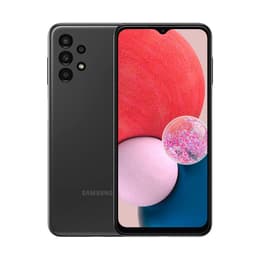
Galaxy A13
Galaxy A13
Starting at

Refurbished price:£73.00

Versus £249.00 new

See options
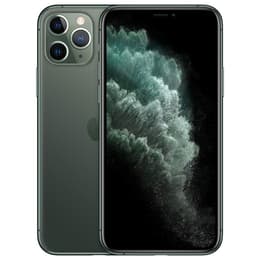
iPhone 11 Pro
iPhone 11 Pro
Starting at

Refurbished price:£151.00

Versus £639.00 new

See options

Ratings

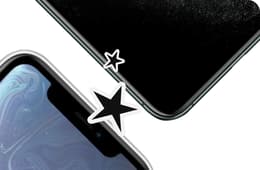
The Samsung Galaxy A13 (2022) and the Apple iPhone 11 Pro (2019) represent distinct approaches to smartphone design, catering to different user priorities. While the Galaxy A13 is a modern entry-level device focused on essential features and a large display, the iPhone 11 Pro is an older premium flagship designed for high-end performance and photography. The primary difference lies in their original market positioning: one prioritises a large, simple interface for daily tasks, while the other offers a compact, professional-grade experience with advanced hardware. Both devices run on their respective ecosystems, Android and iOS, providing unique software experiences.

Scores

Durability

The Galaxy A13 and iPhone 11 Pro offer different perspectives on longevity, balancing physical build materials against software support timelines and repairability.

  • Software Longevity: The Galaxy A13, launched in 2022, benefits from a more recent release date, though as an entry-level Android device, its update cycle is typically shorter than flagship models. The iPhone 11 Pro, despite its 2019 launch, benefits from Apple's long support windows, meaning both devices are reaching a similar point in their expected software lifespans by 2026.
  • Physical Resilience: The Galaxy A13 features a plastic construction which is generally more resistant to shattering if dropped compared to the iPhone 11 Pro's glass back and front. However, the iPhone 11 Pro uses a stainless steel frame and robust glass, providing a rigid structure that feels more substantial and durable against frame bending.
  • Repairability: Both devices have widely available parts, but the Galaxy A13's simpler internal layout often makes screen and battery replacements more straightforward for technicians compared to the tightly packed internal components and adhesive-heavy assembly of the iPhone 11 Pro.

Year of Release

2022

2019

Compatible with latest Update

No

Yes

OS

Android

iOS

Foldable

No

No

Performance

When comparing how these devices handle daily tasks, the distinction between an entry-level modern processor and an older flagship processor becomes clear in responsiveness and multitasking.

  • System Responsiveness: The iPhone 11 Pro maintains a high level of fluidness when navigating the interface and switching between apps, even years after its release. In contrast, the Galaxy A13 is designed for lighter use; while it handles web browsing and social media reliably, users may notice slight pauses when opening demanding applications or processing large files.
  • Multitasking and Memory: The iPhone 11 Pro manages background tasks efficiently, allowing users to return to apps exactly where they left off. The Galaxy A13 provides sufficient memory for standard daily routines, but heavy multitaskers might find that the device closes background apps more frequently to maintain system speed.
  • Battery Endurance: The Galaxy A13 features a high-capacity battery that lasts through a full day of heavy use, often stretching into a second day for light users. The iPhone 11 Pro has a smaller physical battery but uses efficient power management to ensure a full day of typical use, though it may require a midday charge for those recording lots of video.

Memory (GB)

4 GB

4 GB

Screen quality

The viewing experience differs significantly between these two models, with one focusing on sheer size and the other on colour accuracy and display technology.

  • Display Technology: The iPhone 11 Pro uses an OLED panel, which provides deep blacks and a high contrast ratio because each pixel can turn off individually. The Galaxy A13 uses a standard LCD screen, which is bright and clear for indoor use but lacks the vibrant colour depth and true black appearance found on the iPhone.
  • Size and Portability: Users who prefer a large canvas for watching videos or reading will appreciate the Galaxy A13's 6.6-inch display. The iPhone 11 Pro offers a much more compact 5.8-inch screen, making it easier to use with one hand and more comfortable to carry in smaller pockets.
  • Outdoor Visibility: The iPhone 11 Pro reaches higher peak brightness levels, making the screen easier to read under direct sunlight. The Galaxy A13 performs well in most lighting conditions, though users might need to find shade to clearly see fine details on the screen during bright days.

Resolution

1080 x 2408

1125 x 2436

Screen type

PLS LCD

Super Retina XDR OLED

Audiovisual

Photography and media consumption are areas where the flagship heritage of the iPhone 11 Pro contrasts with the utility-focused approach of the Galaxy A13.

  • Camera Versatility: The iPhone 11 Pro features a sophisticated triple-lens system including a dedicated telephoto lens for zooming without losing detail. The Galaxy A13 offers a multi-lens setup that performs well in bright daylight for standard photos, but it lacks the specialised zoom capabilities and advanced image processing found in the iPhone.
  • Low-Light and Video: For evening photography, the iPhone 11 Pro's dedicated night mode produces clearer images with less grain. Video recording on the iPhone is also highly stable, making it a preferred choice for capturing smooth motion compared to the more basic video features on the Galaxy A13.
  • Audio and Media: The iPhone 11 Pro's stereo speakers provide an immersive sound experience for movies and music. The Galaxy A13 uses a single downward-firing speaker which is clear for calls and podcasts but lacks the depth and volume of the iPhone's audio system.

Main camera

50 megapixels

12 megapixels

Front camera

8 megapixels

12 megapixels

Miscellaneous

Beyond the core specifications, the physical design and connectivity options define the practical day-to-day experience of using these smartphones.

  • Biometrics and Security: The iPhone 11 Pro relies on FaceID, which uses 3D mapping for secure unlocking and authentication. The Galaxy A13 uses a fingerprint sensor integrated into the power button, which many users find convenient for quick access without needing to look directly at the phone.
  • Connectivity and Ports: The Galaxy A13 includes a traditional 3.5mm headphone jack, allowing the use of wired headphones without an adapter. However, the iPhone 11 Pro uses a Lightning port for charging, while the Galaxy A13 uses the more universal USB-C standard, which is compatible with most modern laptop and tablet chargers.
  • Build and Weight: The iPhone 11 Pro feels dense and premium due to its stainless steel construction, whereas the Galaxy A13 is lighter despite its larger size. This makes the Galaxy A13 easier to hold for long periods, though the iPhone 11 Pro feels more solid and resistant to flex in the hand.

Weight

195 g

188 g

Screen size (in)

6.6

5.8

Mobile network

4G

4G

SIM card

Dual Physical SIM

Physical SIM + eSIM

Carrier compatibility

Unlocked

Unlocked

According to user discussions on various tech forums, the Galaxy A13 is frequently praised for its long-lasting battery life and the inclusion of the headphone jack, which remains a priority for many. However, some users note that the device can feel sluggish when many apps are open simultaneously. The iPhone 11 Pro continues to receive praise for its manageable size and the consistent quality of its camera system, though some long-term owners mention that the battery health naturally declines over several years of use, requiring more frequent charging.

Users who prioritise a large screen for media consumption and need a battery that can last through a busy weekend without a charger may prefer the Galaxy A13. Conversely, users who prioritise high-quality photography, a compact design for one-handed use, and a more fluid interface will likely lean toward the iPhone 11 Pro. Choosing a quality-assured refurbished option for either of these devices allows you to access these features while making a sustainable choice for the environment. Both smartphones remain capable tools for modern life, offering distinct advantages depending on whether you value a large, simple display or a compact, high-performance camera system.


See all articles

Our recent comparisons