
Galaxy A04S Vs iPhone SE (2020)

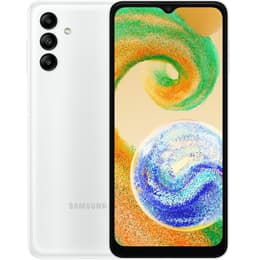
Galaxy A04S
Galaxy A04S
Starting at

Refurbished price:£99.00

Versus £179.00 new

See options
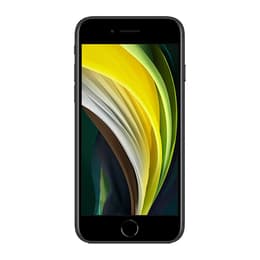
iPhone SE (2020)
iPhone SE (2020)
Starting at

Refurbished price:£67.00

Versus £289.00 new

See options

Ratings

The Samsung Galaxy A04s, released in 2022, and the iPhone SE (2020), launched in April 2020, represent distinct approaches to smartphone design and functionality. While the Galaxy A04s offers a larger display and a multi-camera setup running on Android, the iPhone SE (2020) provides a compact form factor with a powerful processor and the iOS ecosystem. These differences cater to users with varying priorities in their daily mobile experience.

Scores

Durability

When considering the long-term usability of these devices, their release timelines and software support play a significant role.

  • Release Timeline: The iPhone SE (2020) was released in April 2020, while the Samsung Galaxy A04s followed in late 2022. This difference in launch dates means the iPhone SE (2020) has already received several years of software updates, with its support expected to continue for approximately 5-6 years from its release. The Galaxy A04s, being newer, started with Android 12 and received its last official Android update to Android 14 in February 2024, indicating a shorter future for major OS upgrades compared to the iPhone SE (2020)'s extended iOS support.
  • Software Longevity: Users prioritizing the longest possible software support and access to the latest features will find the iPhone SE (2020) offers a more extended update cycle within the Apple ecosystem. The Galaxy A04s, while receiving security patches, will not get further major Android operating system updates.
  • Repairability and Build: The iPhone SE (2020) received a repairability score of 6 out of 10 from iFixit, with common repairs like display and battery replacement being relatively straightforward. Its design incorporates aerospace-grade aluminum and durable glass, along with an IP67 rating for dust and water resistance. The Galaxy A04s features a plastic build, which some users have noted does not feel very stable, and pressure can easily affect the screen.

Year of Release

2022

2020

Compatible with latest Update

Yes

Yes

OS

Android

iOS

Foldable

No

No

Performance

The performance of a smartphone is crucial for daily tasks, from app usage to multitasking.

  • Processing Power: The iPhone SE (2020) is equipped with a powerful processor that enables smooth handling of demanding applications, responsive multitasking, and fluid gaming experiences. This allows for quick app loading and efficient operation even with intensive use. The Galaxy A04s features an octa-core processor that provides adequate performance for everyday tasks and general smartphone usage. However, it may experience slowdowns when running multiple demanding applications simultaneously or during graphically intensive gaming.
  • System Responsiveness: Users of the iPhone SE (2020) generally report a highly responsive system, with quick transitions and minimal lag, even years after its release. The Galaxy A04s, while capable, may exhibit occasional delays or less fluid animations, particularly when the device is under heavier load.
  • Storage and RAM: The iPhone SE (2020) comes with 3GB of RAM and storage options up to 256GB, but without expandable storage. The Galaxy A04s offers 3GB or 4GB of RAM and up to 128GB of internal storage, with the added flexibility of a microSD card slot for expanding storage up to 1TB.
  • Battery Behavior: The iPhone SE (2020) has a smaller battery capacity, which often translates to more frequent charging for heavy users, with some reports indicating it may not last a full day with intensive use. The Galaxy A04s is equipped with a larger battery, generally providing extended usage times and often lasting a full day for many users.

Memory (GB)

3 GB

3 GB

Screen quality

The display is a primary interface for smartphone interaction, and both devices offer different viewing experiences.

  • Display Technology and Size: The iPhone SE (2020) features a 4.7-inch IPS LCD Retina HD display, known for its color accuracy and wide viewing angles. The Galaxy A04s has a larger 6.5-inch PLS LCD Infinity-V display, providing more screen real estate for media consumption and browsing.
  • Resolution and Clarity: The iPhone SE (2020) offers a resolution of 750 x 1334 pixels, resulting in sharp text and clear images on its smaller screen. The Galaxy A04s has a resolution of 720 x 1600 pixels, which, on its larger display, translates to a slightly lower pixel density, meaning content may appear less sharp compared to the iPhone SE (2020).
  • Brightness and Refresh Rate: The iPhone SE (2020) typically reaches a maximum brightness of 625 nits, offering good visibility in various lighting conditions. Its display operates at a standard 60Hz refresh rate. The Galaxy A04s features a 90Hz refresh rate, which provides a smoother scrolling experience, but its peak brightness is around 400 nits, which might be less ideal for bright outdoor environments.

Resolution

720 x 1600

750 x 1334

Screen type

PLS LCD

Retina IPS LCD

Audiovisual

Camera capabilities are a key consideration for many users, and these devices offer different photographic strengths.

  • Rear Camera System: The iPhone SE (2020) features a single 12-megapixel wide camera with an f/1.8 aperture and optical image stabilization (OIS). It leverages its powerful processor for computational photography, enabling features like Portrait mode with depth control and Smart HDR. The Galaxy A04s has a triple-camera setup on the rear, including a 50-megapixel main sensor (f/1.8), a 2-megapixel macro lens, and a 2-megapixel depth sensor. It lacks OIS and an ultrawide lens.
  • Photography Performance: In good lighting, the iPhone SE (2020) produces detailed images with accurate colors and good dynamic range. Its Portrait mode, despite being software-driven, is effective. The Galaxy A04s can take solid photos in good light with its 50MP main sensor, offering good sharpness and detail, but its low-light performance is generally considered moderate, and the macro camera has limited utility.
  • Video Recording: The iPhone SE (2020) excels in video recording, capable of capturing 4K video at up to 60 frames per second with extended dynamic range and cinematic video stabilization. It also supports stereo audio recording. The Galaxy A04s records video at a maximum of 1080p at 30 frames per second, with some users noting shaky autofocus and a lack of stabilization.
  • Front Camera: The iPhone SE (2020) has a 7-megapixel front camera (f/2.2) that supports Portrait mode. The Galaxy A04s features a 5-megapixel front camera (f/2.2), which is suitable for basic selfies and video calls.

Main camera

50 megapixels

12 megapixels

Front camera

5 megapixels

7 megapixels

Miscellaneous

Beyond core features, several practical elements contribute to the overall user experience.

  • Connectivity: The iPhone SE (2020) supports Gigabit-class LTE and Wi-Fi 6, offering fast wireless data speeds. The Galaxy A04s supports 4G LTE and Wi-Fi 5 (802.11 a/b/g/n/ac). Neither device supports 5G connectivity.
  • Ports and Sensors: The iPhone SE (2020) uses a Lightning port for charging and data transfer and lacks a 3.5mm headphone jack. It features Touch ID for secure fingerprint recognition. The Galaxy A04s includes a USB-C 2.0 port and retains a 3.5mm headphone jack. It has a side-mounted fingerprint sensor.
  • Dimensions and Build: The iPhone SE (2020) is compact and lightweight, measuring 138.4 x 67.3 x 7.3 mm and weighing 148g, making it easy for one-handed use. The Galaxy A04s is larger and heavier at 164.7 x 76.7 x 9.1 mm and 195g, offering a more expansive screen but a less pocketable form factor. Both devices feature a dual SIM option, with the iPhone SE (2020) supporting nano-SIM and eSIM, while the Galaxy A04s supports two physical nano-SIMs and a dedicated microSD slot.

Weight

195 g

148 g

Screen size (in)

6.5

4.7

Mobile network

4G

4G

SIM card

Dual Physical SIM

Physical SIM + eSIM

Carrier compatibility

Unlocked

Unlocked

Connector

USB-C

Lightning

User sentiment for the iPhone SE (2020) often praises its powerful performance for its size and its integration into the Apple ecosystem, with many appreciating the familiar design and the longevity of iOS updates. Criticisms frequently center on its battery life, which some users find insufficient for heavy use, and the dated design with thick bezels. The Galaxy A04s is generally lauded for its large battery capacity and 90Hz display refresh rate, offering a smooth visual experience for its category. However, common concerns include its less powerful processor, which can lead to occasional lag, and its camera performance in challenging lighting conditions.

Users prioritizing a compact device with robust processing power for demanding apps, a strong single camera system, and long-term software support within the iOS ecosystem may find the iPhone SE (2020) aligns well with their needs. Its smaller screen and traditional design appeal to those who prefer a more classic smartphone feel. Conversely, individuals who value a larger display for media consumption, extended battery life, and expandable storage, and who operate within the Android ecosystem, might lean towards the Galaxy A04s. Its triple camera setup, while not as refined as the iPhone's, offers versatility for everyday photography. Both devices offer distinct advantages, catering to different user preferences and usage patterns. For those seeking an eco-friendly alternative, considering a quality-assured refurbished option for either model can be a sustainable choice.

See all articles

Our recent comparisons