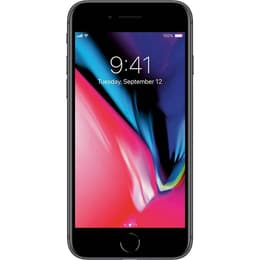
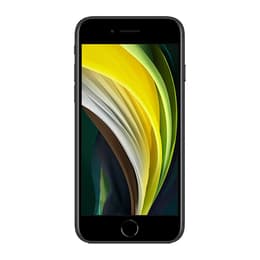
iPhone 8 Vs iPhone SE (2020)

iPhone 8
iPhone 8
Starting at

Refurbished price:£70.00

Versus £249.00 new

See options
iPhone SE (2020)
iPhone SE (2020)
Starting at

Refurbished price:£71.00

Versus £289.00 new

See options

Ratings

The iPhone 8 (2017) and the iPhone SE 2020 (2020) are two smartphones that share a nearly identical physical design while offering significantly different internal capabilities. Both devices represent Apple's commitment to a compact, one-handed user experience featuring the classic home button and Touch ID security. While they appear to be twins on the surface, the three-year gap between their release dates means they cater to different user needs regarding software longevity and processing power. Both models run the iOS operating system, though the newer internal hardware of the SE 2020 allows it to access more recent features and security updates compared to the aging architecture of the iPhone 8.

Scores

Durability

The release timeline of these two devices is the most critical factor when considering their long-term utility and software compatibility in the current year.

  • Software Support: The iPhone 8 has reached the end of its major iOS update cycle, meaning it no longer receives the latest system-wide features, whereas the iPhone SE 2020 continues to support current software versions and security patches.
  • Hardware Longevity: Because the SE 2020 was built with more modern internal components, it is better equipped to handle the increasing demands of updated applications for several more years than the iPhone 8.
  • Repairability: Both smartphones benefit from a well-established repair ecosystem, with common components like screens and batteries being easily accessible for professional technicians, which helps extend their practical lifespan.

Year of Release

2017

2020

Compatible with latest Update

No

Yes

OS

iOS

iOS

Foldable

No

No

Performance

While both devices are capable of handling everyday communication, the difference in system responsiveness becomes apparent when multitasking or running demanding applications.

  • System Responsiveness: The iPhone SE 2020 offers a noticeably smoother experience with faster app loading times and more fluid navigation, while the iPhone 8 may experience occasional pauses when switching between heavy tasks.
  • Multitasking: With more memory dedicated to background processes, the SE 2020 can keep more apps open simultaneously without needing to reload them, providing a more efficient workflow for busy users.
  • Battery Efficiency: Although both phones have similar battery capacities, the more efficient internal hardware of the SE 2020 manages power consumption more effectively, resulting in more consistent performance throughout a typical day of use.

Memory

2 GB

3 GB

Screen quality

Both smartphones utilise a 4.7-inch Retina HD display, providing a familiar and sharp viewing experience for those who prefer smaller handsets over modern large-screen alternatives.

  • Display Technology: Each model features an LCD panel with True Tone technology, which adjusts the screen's colour temperature to match the ambient light for a more natural reading experience.
  • Outdoor Visibility: The screens offer a standard brightness level of 625 nits, which provides good clarity for reading messages or browsing the web in most indoor and outdoor environments.
  • One-Handed Use: The compact screen size and 16:9 aspect ratio make these devices exceptionally easy to operate with a single hand, a practical benefit for users who are often on the move.

Resolution

750 x 1334

750 x 1334

Screen type

Retina IPS LCD

Retina IPS LCD

Audiovisual

Despite sharing similar camera hardware on paper, the advanced software processing capabilities of the newer model create a distinct gap in photographic results.

  • Image Processing: The iPhone SE 2020 uses computational photography to enhance dynamic range, ensuring that details in both bright highlights and dark shadows are better preserved than in photos taken with the iPhone 8.
  • Portrait Mode: A significant differentiator is the inclusion of software-based Portrait Mode on the SE 2020, allowing users to capture professional-looking photos with blurred backgrounds on both the front and rear cameras.
  • Video Quality: Both devices record high-quality 4K video with optical image stabilisation, but the SE 2020 adds stereo audio recording and improved cinematic stabilisation for smoother, more immersive footage.

Main camera

12 megapixels

12 megapixels

Front camera

7 megapixels

7 megapixels

Miscellaneous

The physical build and connectivity options of these devices reflect a classic era of smartphone design that prioritises familiarity and ease of use.

  • Biometric Security: Both models feature a physical home button with a fingerprint sensor, offering a reliable and tactile way to unlock the device and authorise secure payments without needing facial recognition.
  • Build Materials: Constructed with a glass front and back and an aluminium frame, both phones support wireless charging and are rated for water and dust resistance, ensuring durability against minor accidents.
  • Connectivity: The iPhone SE 2020 supports faster Wi-Fi and cellular standards, which can lead to more stable internet connections and faster download speeds in areas with modern network infrastructure.

Weight

148 g

148 g

Screen size (in)

4.7

4.7

Network

4G

4G

SIM card

Physical SIM

Physical SIM + eSIM

Carrier compatibility

Unlocked

Unlocked

Connector

Lightning

Lightning

Based on consensus from actual users on community forums, the iPhone 8 is often praised for its enduring reliability and classic feel, though many note that its battery life and speed are beginning to show their age in 2026. Conversely, the iPhone SE 2020 is frequently highlighted as the ideal middle ground for those who love the traditional home button design but require the speed and software support of a more modern device. Some users do mention that the compact battery size of the SE 2020 may require a mid-day top-up for heavy users, but its overall performance remains highly regarded for its class.

Users who primarily need a device for basic tasks like calling, texting, and light browsing may find the iPhone 8 to be a functional choice. However, those who prioritise running the latest apps, taking portrait-style photos, and ensuring their device remains compatible with new software for years to come will find the iPhone SE 2020 better suited to their needs. Choosing a quality-assured refurbished option is an excellent way to acquire these classic designs while making a sustainable choice for the environment. Ultimately, both devices offer a practical and approachable entry point into the ecosystem for students, professionals, or anyone seeking a compact and dependable smartphone.

See all articles

Our recent comparisons