Compare models

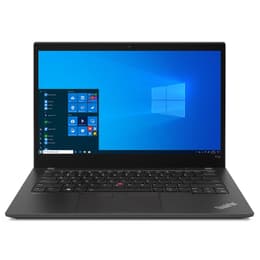
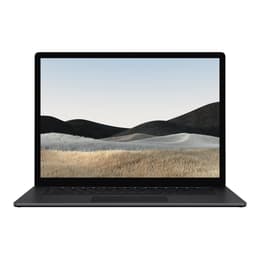
Lenovo ThinkPad T14 G2 14" Vs Microsoft Surface Laptop 4 13"

  • 1-year minimum warranty
  • Free delivery on all items
  • Free 30-day returns
Lenovo ThinkPad T14 G2 14"
Starting at

Refurbished price:£304.00

Versus £1,034.73 new

See options
Microsoft Surface Laptop 4 13"
Starting at

Refurbished price:£271.00

Versus £911.48 new

See options

Differences at a glance

The Lenovo ThinkPad T14 Gen 2 (2021) and the Microsoft Surface Laptop 4 13" (2021) are productivity-focused laptops designed for daily professional and academic use. While both run on Windows and share a similar vintage, they cater to different working styles through contrasting design philosophies, port selections, and physical form factors. Choosing between them depends on whether physical expandability and rugged utility or a lightweight, minimalist aesthetic take priority.

Available Models

Storage (GB)

Processor

Memory (GB)

Scores

Durability

Both laptops share a similar release timeline from 2021, though their durability engineering and structural serviceability differ to accommodate distinct workplace expectations.

  • Software Support: Both devices receive regular Windows OS updates and security patches, ensuring long-term compatibility for everyday productivity software.
  • Repairability and Upgrades: The ThinkPad features modular internal components with accessible RAM slots and a swappable solid-state drive, whereas the Surface Laptop uses a more integrated, sealed chassis design.
  • Expected Lifespan: Both machines are built to endure years of daily transit, though the ThinkPad's industrial construction lends itself well to straightforward hardware maintenance over time.

Year of Release

2021

2021

OS

Windows 11

Windows 11

Performance

Equipped with competent multi-core processors and solid-state storage configurations, these laptops handle office suites, web browsing, and multitasking efficiently.

  • Multitasking and Responsiveness: Both devices manage dozens of browser tabs, spreadsheet calculations, and document editing smoothly without noticeable system stutter.
  • Battery Behavior: The Surface Laptop delivers strong everyday battery endurance for on-the-go users, while the ThinkPad offers rapid-charging capabilities to minimize downtime during busy workdays.
  • Thermal Management: Both laptops maintain stable performance under standard office workloads, though heavy tasks like video rendering or intensive multitasking will trigger internal cooling fans on both models.

Graphic card

Integrated Graphics

Integrated Graphics

Screen quality

Display characteristics differ significantly in aspect ratio and surface finish, directly impacting daily viewing comfort and workspace layout.

  • Display Technology: The ThinkPad utilizes a standard widescreen anti-glare panel suited for traditional office tasks, whereas the Surface Laptop features a taller, touch-sensitive screen with vibrant color reproduction.
  • Brightness and Clarity: Both screens offer sharp text rendering and sufficient outdoor visibility for bright indoor environments or occasional daylight use.
  • Aspect Ratio: The Surface Laptop's taller screen format displays more lines of text vertically, while the ThinkPad provides a conventional layout optimized for side-by-side window multitasking.

Resolution

1920 x 1080

2256 x 1504

Screen type

IPS

LED

Audiovisual

Multimedia capabilities focus primarily on remote collaboration tools, media consumption, and clear audio output for daily communication.

  • Webcam Quality: Both laptops feature standard high-definition webcameras and dual-microphone arrays that capture clear audio for virtual meetings and online lectures.
  • Speaker Output: The Surface Laptop incorporates hidden spatial audio speakers that produce rich sound for media playback, while the ThinkPad provides balanced directional audio tuned for voice clarity.
  • Video and Media: Both devices stream high-definition video smoothly and handle routine multimedia tasks without graphical strain.

Miscellaneous

Physical connectivity and portability features highlight the distinct design goals of each product family for mobile professionals.

  • Port Selection: The ThinkPad offers an extensive array of physical connections including traditional USB ports, an ethernet jack, and modern high-speed data slots, while the Surface Laptop relies on a minimalist port layout.
  • Build Materials: The ThinkPad utilizes reinforced composite plastics and magnesium alloys designed for structural toughness, whereas the Surface Laptop emphasizes a sleek aluminum chassis.
  • Weight and Handling: Both models maintain portable footprints that slip easily into backpacks, though the Surface Laptop leans slightly lighter for frequent travelers.

Weight

7500 g

1288 g

Screen size

14

13

What the community thinks

User feedback highlights distinct preferences for each device across community forums and workplace reviews. Owners of the Lenovo ThinkPad T14 Gen 2 frequently praise its exceptional keyboard feel, robust port selection, and reliable physical durability. Conversely, users often highlight the Microsoft Surface Laptop 4 13" for its sleek aesthetic, premium touch display, and comfortable trackpad. Criticisms for the ThinkPad occasionally focus on its utilitarian plastic exterior, while Surface Laptop owners sometimes note limitations regarding hardware expandability and port availability.

Users prioritizing physical connectivity, traditional typing ergonomics, and long-term hardware maintenance will find the ThinkPad T14 Gen 2 well-suited to their needs. Meanwhile, users prioritizing a lightweight profile, touch input, and a high-resolution display will lean toward the Surface Laptop 4. Choosing a quality-assured refurbished option for either model provides an eco-friendly alternative that supports sustainable technology use without compromising core performance.

Our recent comparisons