
Compare models

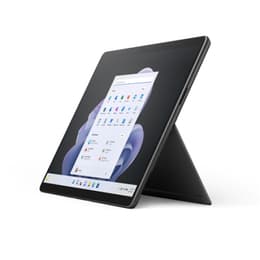
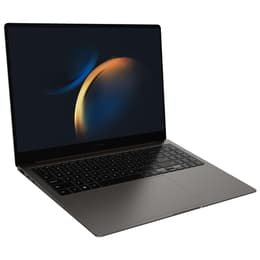
Microsoft Surface Pro 9 13" Vs Samsung Galaxy Book4 15"

  • 1-year minimum warranty
  • Free delivery on all items
  • Free 30-day returns
Microsoft Surface Pro 9 13"
Starting at

Refurbished price:£852.00

Versus £2,159.25 new

See options
Samsung Galaxy Book4 15"
Starting at

Refurbished price:£537.00

Versus £649.99 new

See options

Differences at a glance

The Microsoft Surface Pro 9 13" (2022) and the Samsung Galaxy Book4 15" (2024) represent two distinct approaches to portable computing, balancing tablet flexibility with traditional clamshell design. While both run on the Windows 11 operating system, they cater to different workflows through their physical form factors, screen dimensions, and hardware integrations. Choosing between them depends heavily on whether daily computing involves mobile note-taking or traditional desk-bound productivity.

Available Models

Storage (GB)

Processor

Memory (GB)

Scores

Durability

Both computers are built to handle multi-year workloads, though their physical construction and update paths differ based on release timing and form factor design.

  • Release timeline and support: The Samsung Galaxy Book4 benefits from a newer release year, while the Surface Pro 9 offers mature, established driver support backed by regular operating system updates.
  • Repairability and lifespan: The Surface Pro 9 features a modular, removable solid-state drive design that facilitates easier data recovery, whereas the Galaxy Book4 provides a sturdier traditional laptop chassis that withstands constant lap use.
  • Expected longevity: Both machines provide robust component durability capable of maintaining consistent daily performance over several years of standard office and academic tasks.

Year of Release

2022

2024

OS

Windows 11

Windows 11

Performance

Daily responsiveness across both models handles office productivity, web browsing, and multi-app multitasking smoothly thanks to current-generation multi-core processing architecture.

  • Multitasking capacity: Equipped with ample memory configurations, both devices switch effortlessly between dozens of browser tabs and heavy productivity applications without noticeable stuttering.
  • Storage and power behavior: Solid-state drive storage options ensure rapid file transfers and quick system boot times, while thermal efficiency manages heat during extended work sessions.
  • Battery endurance: The Surface Pro 9 leans toward high-mobility power management, whereas the larger Galaxy Book4 houses a battery suited for extended stationary work periods away from an electrical outlet.

Graphic card

Integrated Graphics

Integrated Graphics

Screen quality

Visual experiences differ significantly due to contrasting display proportions, panel sizes, and touch-input integration levels.

  • Display dimensions: The Surface Pro 9 utilizes a taller 3:2 aspect ratio designed to maximize vertical workspace for documents, while the Galaxy Book4 features a wider traditional screen format suited for side-by-side window multitasking.
  • Clarity and brightness: Both screens deliver crisp resolutions with high pixel density, ensuring sharp text rendering and clear visibility under typical indoor lighting conditions.
  • Interaction modes: The Surface Pro 9 integrates touch and active pen input natively as a primary tablet interface, whereas the Galaxy Book4 focuses on a spacious traditional glass trackpad and keyboard setup.

Resolution

2880 x 1920

1920 x 1080

Screen type

LCD

LCD

Audiovisual

Media consumption and communication features reflect each device's intended usage style for virtual meetings and entertainment.

  • Video conferencing: Both laptops feature clear front-facing web cameras and dual microphone arrays that isolate voice input effectively during virtual calls and online lectures.
  • Secondary capture: The Surface Pro 9 includes a high-resolution rear-facing camera useful for quick document scanning, a feature omitted on the traditional clamshell layout of the Galaxy Book4.
  • Audio output: Built-in stereo speakers produce balanced sound clarity for listening to podcasts, watching streaming video, and participating in remote meetings.

Miscellaneous

Physical dimensions and connectivity hardware define how easily each machine adapts to traveling or desk environments.

  • Port selection: The Surface Pro 9 relies on compact universal connection ports, whereas the Galaxy Book4 provides a wider variety of built-in physical ports including traditional video outputs and memory card slots.
  • Portability and weight: The Surface Pro 9 offers an ultra-lightweight profile designed for effortless transit, while the Galaxy Book4 is slightly heavier to accommodate its larger chassis and integrated numeric keypad.
  • Build materials: Sturdy metallic outer casings protect internal components on both models while maintaining a clean, professional aesthetic.

Weight

880 g

1790 g

Screen size

13

15

What the community thinks

User feedback highlights distinct preferences for each device depending on daily habits. Owners of the Microsoft Surface Pro 9 frequently praise its exceptional portability, seamless tablet conversion, and crisp high-resolution touchscreen. Conversely, users of the Samsung Galaxy Book4 often emphasize appreciation for the comfortable typing experience, expansive screen estate, and convenient inclusion of a full numeric keypad. Common criticisms for the Surface Pro 9 focus on the separate purchase requirement for a keyboard cover, while Galaxy Book4 reviews occasionally note its larger footprint is less convenient for tight airline tray tables.

Users prioritizing maximum mobility, handwritten note-taking capabilities, and a detachable form factor will find the Surface Pro 9 well-suited to their workflow. Meanwhile, users prioritizing a traditional laptop experience with extensive built-in ports and a spacious keyboard layout may lean toward the Galaxy Book4. For those seeking a sustainable choice, exploring a quality-assured refurbished option provides an eco-friendly alternative to acquire either device without compromising on performance or reliability.


Our recent comparisons