
Compare models
iPhone 16 Pro Vs iPhone 17e
- 1-year minimum warranty
- Free delivery on all items
- Free 30-day returns
Differences at a glance
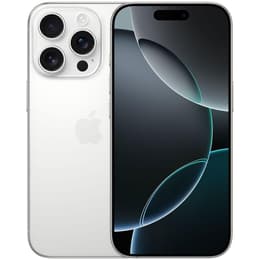
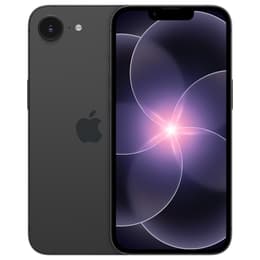
The iPhone 16 Pro (2024) and the iPhone 17e (2026) represent two different approaches to Apple's smartphone lineup, balancing flagship capabilities with alternative release cycles. While the iPhone 16 Pro focuses on high-end materials and an advanced multi-lens camera system, the iPhone 17e serves as a streamlined model delivering current-generation processing and modern features in a lighter build. Both devices run on Apple's software ecosystem and receive regular system updates, though they target distinct user priorities.
Available Models
Colour
Storage (GB)
Scores
Durability
When evaluating structural longevity and software support, both devices are built to handle long-term daily use while differing slightly in release timeline and physical design construction.
- Software longevity and updates: Both smartphones receive multi-year operating system upgrades and routine security patches, though the newer iPhone 17e extends its support window slightly further into the future due to its more recent introduction year.
- Repairability and build durability: The iPhone 16 Pro features a robust titanium frame and textured glass, whereas the iPhone 17e utilizes an aluminum and glass finish that balances structural integrity with a lighter daily carrying weight.
- Expected practical lifespan: Users can expect several years of smooth operation from either model, supported by efficient power management and long-term component durability suited for everyday mobile routines.
Year of Release
2024
2026
Foldable
No
No
Performance
Underneath the exterior, both devices handle intensive everyday demands smoothly, though they utilize different generations of internal hardware and storage configurations.
- System responsiveness and multitasking: Both models manage demanding applications, heavy multitasking, and immersive gaming seamlessly, ensuring quick app loading times and fluid gesture navigation.
- Storage capacity configurations: The iPhone 16 Pro offers tiered storage tiers starting from compact capacities up to extensive levels, while the iPhone 17e begins with larger baseline storage capacities right out of the box.
- Battery behavior and daily endurance: Both devices provide reliable battery life that comfortably lasts through a full day of standard use, featuring optimized power management for streaming, web browsing, and messaging.
Screen quality
Display technology across both models delivers sharp, clear visuals, though they differ slightly in screen size and peak viewing specifications.
- Display technology and clarity: Both smartphones feature vibrant OLED displays with deep contrast levels, rich colors, and high pixel densities that keep text crisp and media engaging.
- Refresh rate smoothness: The iPhone 16 Pro includes adaptive high refresh rate technology for extra fluid scrolling and motion handling, while the iPhone 17e offers a standard responsive viewing experience tailored for everyday media consumption.
- Outdoor brightness and size: Both panels maintain strong legibility under direct sunlight, with the iPhone 16 Pro offering a slightly larger screen real estate compared to the compact dimensions of the iPhone 17e.
Resolution
1206 x 2622
2532 x 1170
Audiovisual
Photography and media capture capabilities highlight a primary functional difference between a multi-lens flagship setup and a streamlined single-lens approach.
- Camera system versatility: The iPhone 16 Pro incorporates a flexible triple-lens configuration including dedicated ultra-wide and optical zoom telephoto lenses, whereas the iPhone 17e features a capable single-lens rear camera designed for clear everyday point-and-shoot photography.
- Video recording performance: Both devices capture high-resolution video with stabilization features, though the iPhone 16 Pro adds advanced frame-rate options for professional-style slow motion and cinematic recording.
- Audio and media output: Built-in stereo speakers on both models deliver clear sound quality for hands-free calls, video viewing, and casual audio playback without requiring external speakers.
Front camera
12 megapixels
12 megapixels
Miscellaneous
Practical daily usability elements such as connectivity, physical handling, and biometric security shape the overall user experience of each device.
- Connectivity and ports: Both models utilize standard USB-C connectivity for charging and data transfer, alongside modern wireless protocols and fast 5G network compatibility.
- Biometric security and sensors: Both smartphones rely on secure facial recognition technology for quick device unlocking, secure authentication, and app verification.
- Physical dimensions and handling: The iPhone 16 Pro has a slightly heavier feel due to its metal alloy build, whereas the iPhone 17e offers a noticeably lighter profile that is comfortable for single-handed use during long travel commutes.
Weight
199 g
169 g
Screen size (in)
6.3
6.1
Mobile network
5G
5G
SIM card
Physical SIM + eSIM
eSIM
Carrier compatibility
Unlocked
Unlocked
Connector
USB-C (USB 3)
USB-C (USB 2)
What the community thinks
Choosing between these two smartphones depends heavily on individual daily usage habits and hardware preferences. Users prioritizing advanced photography versatility, a multi-lens zoom setup, and an adaptive high-refresh-rate display will find the iPhone 16 Pro well-suited to their needs. Conversely, users who prefer a lighter device with a modern processor, generous baseline storage, and streamlined features will lean toward the iPhone 17e.
For those exploring sustainable purchasing routes, opting for a quality-assured refurbished option provides an eco-friendly alternative that reduces electronic waste without compromising on functional capability. Ultimately, both devices offer robust performance and long-term reliability, allowing buyers to select the model that best complements their personal workflow and lifestyle requirements.