iPhone 14 Vs iPhone 15 Pro

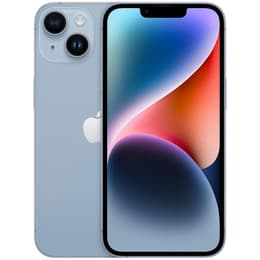
iPhone 14
iPhone 14
Starting at

Refurbished price:£229.00

Versus £599.00 new

See options
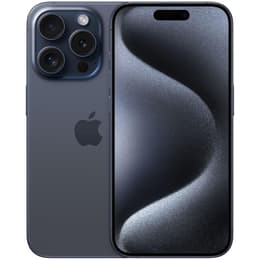
iPhone 15 Pro
iPhone 15 Pro
Starting at

Refurbished price:£399.00

Versus £999.00 new

See options

Ratings

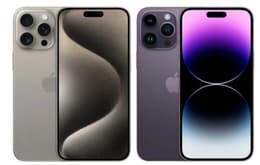
The iPhone 14, released in 2022, and the iPhone 15 Pro, launched in 2023, represent two distinct generations of Apple's smartphone lineup. While both devices operate on the same iOS ecosystem and offer a familiar user experience, they cater to different user priorities regarding hardware capabilities and physical design. The iPhone 14 serves as a reliable standard model for everyday use, whereas the iPhone 15 Pro introduces more advanced materials and professional-grade features that distinguish it from its predecessor.

The primary differentiators between these two models lie in their physical connectivity, build materials, and the versatility of their camera systems. While the iPhone 14 maintains the classic design language of its era, the iPhone 15 Pro marks a significant shift toward modern standards like universal charging and enhanced display technology. This comparison explores how these differences impact daily usage for various types of users.

Scores

Durability

When considering longevity, the iPhone 15 Pro holds a natural advantage due to its more recent release date and updated internal hardware components.

  • Software Support: Because the iPhone 15 Pro was released a year after the iPhone 14, it is expected to receive official software updates for at least one additional year, ensuring access to new features and security patches well into the future.
  • Repairability Considerations: Both models feature an internal redesign that allows the back glass to be removed independently, which simplifies certain repairs. However, both are subject to software-based part pairing, which can make third-party repairs more complex without official manufacturer tools.
  • Physical Resilience: The iPhone 15 Pro utilizes a titanium frame, which is known for being both strong and lightweight, while the iPhone 14 uses a traditional aluminium frame that is durable but slightly more prone to minor scuffs over several years of use.

Year of Release

2022

2023

Compatible with latest Update

Yes

Yes

OS

iOS

iOS

Foldable

No

No

Performance

The performance gap between these two devices is most noticeable during intensive tasks, though both remain highly responsive for standard smartphone activities.

  • System Responsiveness: The iPhone 15 Pro features a more advanced processor that handles demanding applications and high-end mobile gaming with greater ease. Users who frequently edit video or play graphics-heavy games will notice smoother performance compared to the iPhone 14.
  • Multitasking Capability: With a higher amount of operating memory, the iPhone 15 Pro is better equipped to keep multiple apps open in the background without needing to reload them. This makes it a more efficient tool for professionals who switch rapidly between various productivity tools.
  • Battery Behaviour: In real-world usage, both phones typically last through a full day of moderate use. The iPhone 15 Pro benefits from more energy-efficient internal components, though its advanced display features can consume more power if used at maximum settings.

Memory (GB)

6 GB

8 GB

Screen quality

The display technology is one of the most significant areas of divergence, with the iPhone 15 Pro offering a more fluid and visible viewing experience.

  • Motion Smoothness: The iPhone 15 Pro includes an adaptive refresh rate, which means the screen can update its image up to 120 times per second. This results in much smoother scrolling and animations compared to the standard 60Hz screen on the iPhone 14.
  • Outdoor Visibility: For users who often use their phones in bright sunlight, the iPhone 15 Pro can reach significantly higher brightness levels, making text and images much easier to see outdoors than on the iPhone 14.
  • Always-On Functionality: The iPhone 15 Pro features an always-on display that allows you to see the time and notifications at a glance without touching the device. The iPhone 14 requires the user to tap the screen or lift the phone to view this information.

Resolution

1170 x 2532

1179 x 2556

Screen type

Super Retina XDR OLED

LTPO Super Retina XDR OLED

Audiovisual

The camera systems represent a clear step up for users who prioritise photography, with the iPhone 15 Pro offering more lenses and higher detail.

  • Zoom Versatility: The iPhone 15 Pro includes a dedicated telephoto lens, allowing for 3x optical zoom to capture distant subjects clearly. The iPhone 14 lacks a zoom lens, meaning users must rely on digital cropping which can lead to a loss in image quality.
  • Image Detail: Featuring a much higher resolution main sensor, the iPhone 15 Pro captures significantly more detail in every shot. This is particularly useful for users who like to crop their photos or print them in larger formats without losing clarity.
  • Low-Light Performance: Thanks to larger sensors and more advanced image processing, the iPhone 15 Pro produces clearer, less grainy photos in dark environments. While the iPhone 14 performs well in daylight, it cannot match the night-time precision of the Pro model.

Main camera

12 megapixels

48 megapixels

Front camera

12 megapixels

12 megapixels

Miscellaneous

Physical design changes and connectivity standards mark a clear transition between the 2022 and 2023 generations of these devices.

  • Charging and Connectivity: The iPhone 15 Pro adopts the universal USB-C port, allowing users to use the same cable for their phone, laptop, and other modern electronics. The iPhone 14 uses the proprietary Lightning port, which may require carrying extra cables.
  • Customisable Action Button: Replacing the traditional mute switch found on the iPhone 14, the iPhone 15 Pro features a customisable button. This can be programmed to instantly launch the camera, turn on the torch, or activate other shortcuts based on user preference.
  • Weight and Handling: Despite its more advanced internals, the use of titanium makes the iPhone 15 Pro surprisingly light for a Pro model. The iPhone 14 remains a very manageable and lightweight device, though it lacks the more contoured edges that make the 15 Pro slightly more comfortable to hold.

Weight

172 g

187 g

Screen size (in)

6.1

6.1

Mobile network

5G

5G

SIM card

Physical SIM + eSIM

Physical SIM + eSIM

Carrier compatibility

Unlocked

Unlocked

Connector

Lightning

USB-C

Choosing between the iPhone 14 and the iPhone 15 Pro depends largely on how much you value the latest hardware advancements versus a reliable, standard smartphone experience. User consensus on community forums suggests that the iPhone 14 is widely respected as a dependable "workhorse" for those who want a familiar device that handles all modern apps without fuss. On the other hand, the iPhone 15 Pro is frequently praised for its noticeably smoother screen and the convenience of universal USB-C charging, though some users note that the advanced camera features are most appreciated by those with a specific interest in mobile photography.

Users who prioritise a lightweight design and a traditional user interface will find the iPhone 14 to be a practical choice that remains highly capable for several years. Those who frequently take photos, play high-end games, or want the most future-proof display technology will likely prefer the iPhone 15 Pro. Choosing a quality-assured refurbished option like the iPhone 14 is an excellent way to access modern features while making a sustainable choice. Ultimately, the decision rests on whether the enhanced zoom, smoother screen, and universal charging port of the iPhone 15 Pro align with your daily habits. Opting for a sustainable choice through refurbishment ensures that whichever model you select, you are contributing to a more circular electronics economy while receiving a device that has been thoroughly tested for quality.
See all articles

Our recent comparisons