
iPhone 14 Pro Vs Motorola Moto G13

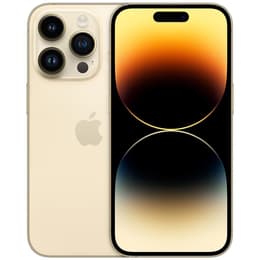
iPhone 14 Pro
iPhone 14 Pro
Starting at

Refurbished price:£304.00

Versus £1,099.00 new

See options
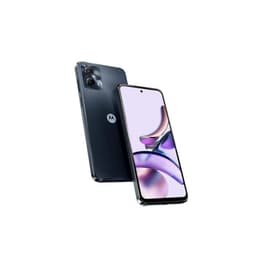
Motorola Moto G13
Motorola Moto G13
Starting at

Refurbished price:£99.00

Versus £166.76 new

See options

Ratings

The iPhone 14 Pro, released in late 2022, and the Motorola Moto G13, launched in early 2023, represent two very different approaches to the modern smartphone experience. While the iPhone 14 Pro is designed as a high-performance flagship running Apple’s iOS, the Moto G13 serves as a straightforward, functional device powered by the Android operating system. These devices cater to distinct user needs, ranging from professional-grade photography and intensive multitasking to reliable everyday communication and long-lasting battery life for basic tasks.

Scores

Durability

The iPhone 14 Pro and Moto G13 offer different expectations regarding how long they will remain functional and relevant in a rapidly changing technological landscape.

  • Software Longevity: The iPhone 14 Pro typically receives operating system updates for six years or more, ensuring it remains compatible with the latest apps and security protocols well into the late 2020s. In contrast, the Moto G13 generally sees a shorter support window, often receiving fewer major Android updates, which may limit its long-term compatibility with newer software features.
  • Physical Construction: Built with a stainless steel frame and toughened glass, the iPhone 14 Pro is designed to withstand significant wear, complemented by high-level water and dust resistance. The Moto G13 utilises a plastic housing that is lighter and more resilient to shattering if dropped, though its water protection is limited to a repellent coating rather than full submersion capability.
  • Repairability: Both manufacturers have made strides in making components available, though the intricate internal layout of the iPhone 14 Pro requires specialised tools for most repairs. The Moto G13 features a more traditional internal structure that some independent technicians find more accessible for common fixes like screen or battery replacements.

Year of Release

2022

2023

Compatible with latest Update

Yes

No

OS

iOS

Android

Foldable

No

No

Performance

When evaluating how these devices handle daily operations, the difference in their internal hardware becomes apparent through responsiveness and multitasking capabilities.

  • System Responsiveness: The iPhone 14 Pro is engineered to handle demanding activities such as high-resolution video editing and complex mobile gaming without lag or stuttering. The Moto G13 is better suited for standard applications like web browsing, social media, and messaging, where it provides a steady but more relaxed pace of operation.
  • Multitasking and Memory: With a focus on efficiency, the iPhone 14 Pro allows users to switch between dozens of open apps instantly. The Moto G13, while capable of running multiple apps, may require more frequent reloading of background tasks during heavy use due to its focus on essential performance.
  • Storage and Expansion: Users of the iPhone 14 Pro must choose their storage capacity at the time of purchase, as it does not support external cards. The Moto G13 offers the flexibility of a dedicated slot for memory cards, allowing users to increase their storage space for photos and files as their needs grow over time.

Memory (GB)

6 GB

4 GB

Screen quality

The visual experience on these two smartphones is defined by different display technologies that prioritise either high-end clarity or functional efficiency.

  • Display Technology and Fluidity: The iPhone 14 Pro features an advanced OLED display that provides deep blacks and high contrast, along with a variable refresh rate that makes scrolling and animations appear exceptionally smooth. The Moto G13 uses an LCD panel with a fixed 90Hz refresh rate, which offers a smoother experience than standard screens but lacks the vibrant colour depth found on the iPhone.
  • Brightness and Outdoor Use: For users who frequently use their phones outside, the iPhone 14 Pro offers very high peak brightness, making the screen easy to read even in direct sunlight. The Moto G13 provides sufficient brightness for indoor and shaded environments, though it may be more challenging to view under intense midday sun.
  • Viewing Experience: The iPhone 14 Pro includes a unique interactive area at the top of the screen for notifications and background activities, while the Moto G13 features a larger overall screen size that provides a generous canvas for watching videos or reading long articles.

Resolution

1179 x 2556

720 x 1600

Screen type

LTPO Super Retina XDR OLED

IPS LCD

Audiovisual

Photography and media consumption are areas where these two devices diverge significantly in terms of versatility and output quality.

  • Camera Versatility: The iPhone 14 Pro is equipped with a triple-lens system, including a dedicated telephoto lens for zooming into distant subjects without losing detail. The Moto G13 features a main high-resolution sensor supported by macro and depth lenses, which are useful for close-up photography but lack the long-range capabilities of its counterpart.
  • Video and Low Light: Recording video on the iPhone 14 Pro results in highly stable, detailed footage with advanced features for shifting focus between subjects. The Moto G13 captures standard high-definition video suitable for social sharing, though it may show more grain and less detail when filming in dimly lit environments.
  • Audio Output: Both devices feature stereo speakers, but they deliver different experiences; the iPhone 14 Pro focuses on a wide soundstage with balanced bass, while the Moto G13 includes spatial audio enhancements designed to provide a more immersive listening experience through headphones or its built-in speakers.

Main camera

48 megapixels

50 megapixels

Front camera

12 megapixels

8 megapixels

Miscellaneous

Beyond the core specifications, several practical features influence how these phones fit into a user's daily routine and connectivity needs.

  • Connectivity and Ports: The iPhone 14 Pro supports 5G networks for the fastest mobile data speeds and uses a proprietary port for charging and data transfer. The Moto G13 is limited to 4G connectivity but includes a universal USB-C port and a traditional 3.5mm headphone jack, which is a significant convenience for users who prefer wired audio.
  • Security and Sensors: Security is handled via facial recognition on the iPhone 14 Pro, which works in almost any lighting condition. The Moto G13 utilises a fingerprint sensor integrated into the power button, offering a reliable and tactile way to unlock the device quickly.
  • Weight and Handling: Due to its metal and glass construction, the iPhone 14 Pro has a noticeable weight that feels substantial in the hand. The Moto G13 is lighter despite its larger physical dimensions, making it easier to hold for long periods during calls or reading sessions.

Weight

206 g

183 g

Screen size (in)

6.1

6.5

Mobile network

5G

4G

SIM card

Physical SIM + eSIM

Dual Physical SIM

Carrier compatibility

Unlocked

Unlocked

User feedback for the iPhone 14 Pro often highlights its exceptional camera system and the fluid nature of its interface, though some users find the weight of the device to be a drawback during extended use. On the other hand, the Motorola Moto G13 is frequently praised for its impressive battery life, which often lasts well beyond a single day, and the inclusion of a headphone jack. However, some users note that the screen resolution and camera performance in dark settings are areas where the device shows its limitations.

Users who prioritise high-end photography, long-term software support, and a compact, sturdy build will likely find the iPhone 14 Pro aligns with their requirements. Conversely, those who value a large screen, expandable storage, and a lighter device for everyday communication may find the Moto G13 to be a more practical fit. For those looking to make a sustainable choice, a quality-assured refurbished option provides a way to access these technologies while reducing environmental impact. Ultimately, the decision rests on whether a user needs a high-performance tool for creative work or a reliable, straightforward smartphone for daily essentials. Choosing an eco-friendly alternative through refurbishment ensures that whichever device is selected, the purchase supports a more circular electronics economy.


See all articles

Our recent comparisons