
Dell Latitude 7400 14" Vs Dell Latitude 7420 14"

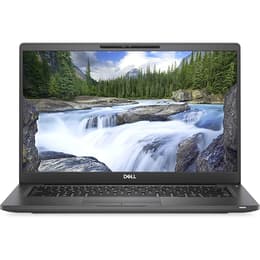
Dell Latitude 7400 14"
Starting at

Refurbished price:£154.00

Versus £699.00 new

See options
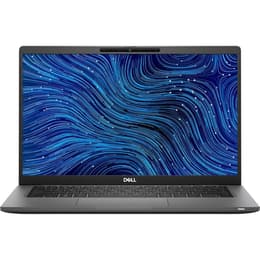
Dell Latitude 7420 14"
Starting at

Refurbished price:£288.00

Versus £1,577.65 new

See options

Ratings

The Dell Latitude 7400, released in 2019, and the Dell Latitude 7420, launched in 2021, are both 14-inch business-oriented laptops designed for productivity and mobility. While they share a similar form factor and target audience, the 7420 introduces a newer generation of internal components, updated connectivity options, and enhanced display capabilities compared to its predecessor.

Scores

Durability

When considering the longevity of these devices, several factors come into play, primarily their release dates and the typical support cycles for business laptops.

  • Release Timeline: The Latitude 7400 was released in 2019, while the Latitude 7420 followed in 2021. This two-year difference means the 7420 benefits from a more recent hardware platform, potentially extending its relevance for newer software and operating system updates.
  • OS Support: Both models run on Windows and are compatible with current operating systems. However, the newer 7420 is likely to receive official operating system updates and security patches for a longer duration, offering an extended period of software support.
  • Repairability: Dell Latitude laptops are generally designed with business users in mind, often featuring accessible internal components for maintenance and upgrades. The Latitude 7400 typically allows for RAM upgrades, while the 7420's RAM is soldered to the motherboard, making it non-upgradable after purchase.

Year of Release

2019

2021

Last Os Compatibility

Yes

Yes

OS

Windows 11

Windows 11

Performance

The performance of these laptops is largely dictated by their respective generations of internal processing units and memory configurations.

  • Processing Power: The Latitude 7400 is equipped with 8th-generation processors, providing solid performance for everyday business applications and multitasking. The Latitude 7420, featuring 11th-generation processors, offers a noticeable boost in processing speed and efficiency, resulting in smoother operation for demanding tasks and more responsive overall system performance.
  • Multitasking and Responsiveness: Both models support ample RAM configurations, with the 7400 offering up to 32GB of DDR4 RAM and the 7420 also supporting up to 32GB of LPDDR4x RAM. The 7420's newer memory technology and more efficient processor contribute to a snappier experience when running multiple applications simultaneously or handling complex workloads.
  • Storage Options: Both laptops utilize fast NVMe PCIe Solid State Drives (SSDs) for storage, ensuring quick boot times and rapid application loading. Configurations typically range from 256GB to 1TB, providing sufficient space for most professional needs.

Memory (GB)

8 GB

16 GB

Processor

Core i5 - Gen 8 (U)

Core i5-1145G7

Graphic card

Integrated Graphics

Integrated Graphics

Screen quality

The visual experience on these 14-inch laptops is a key consideration, with differences in display technology and brightness levels.

  • Display Technology and Resolution: Both the Latitude 7400 and 7420 feature 14-inch Full HD (1920x1080) IPS displays, offering wide viewing angles and clear visuals suitable for productivity tasks.
  • Brightness Levels: The Latitude 7420 generally offers brighter display options, with configurations available up to 400 nits, which improves visibility in well-lit environments or outdoors. The Latitude 7400 typically comes with displays ranging from 280 to 342 nits, which is adequate for indoor use but may be less comfortable in bright conditions.
  • Viewing Experience: While both provide a clear and consistent image, the higher brightness options on the 7420 can enhance the overall viewing experience, particularly for users who frequently work in varying lighting conditions. Neither model commonly offers 4K resolution in standard configurations, though the 7420 had 4K as an option for bulk purchases.

Resolution

1920 x 1080

1920 x 1080

Screen type

IPS

LED

Audiovisual

For communication and media consumption, the audio and visual components play an important role in the user experience.

  • Webcam Quality: The Latitude 7400 typically includes an HD (720p) webcam, suitable for standard video conferencing. The Latitude 7420 offers an improved webcam experience, with options for both HD and Full HD (1080p) cameras, often accompanied by a physical privacy shutter for enhanced security.
  • Microphone and Speakers: Both models are equipped with integrated microphones for calls and virtual meetings. User feedback for the Latitude 7400 suggests that its speakers can sound somewhat thin and lack volume. The 7420's sound quality is also described as basic, indicating that neither device prioritizes high-fidelity audio output.
  • Video Recording: The 7420's optional 1080p webcam provides clearer video recording capabilities compared to the 7400's standard HD camera, which is beneficial for presentations or content creation.

Miscellaneous

Beyond core performance and display, several practical features differentiate these two business laptops.

  • Connectivity Ports: The Latitude 7420 features two Thunderbolt 4 ports, offering faster data transfer speeds and more versatile connectivity compared to the Latitude 7400's single Thunderbolt 3 port. Both include USB-A ports, HDMI (7420 with HDMI 2.0, 7400 with HDMI 1.4a), and a microSD card reader.
  • Wireless Standards: The 7420 supports Wi-Fi 6 and Bluetooth 5.1 or 5.2, providing more stable and faster wireless connections than the 7400, which typically supports Wi-Fi 5 (802.11ac) or earlier Wi-Fi 6 standards and Bluetooth 5.0. Both offer optional LTE mobile broadband for connectivity on the go.
  • Build and Portability: Both laptops offer a choice of aluminum or carbon fiber chassis, contributing to a durable yet professional aesthetic. The Latitude 7420 starts at a slightly lighter weight of approximately 1.22 kg compared to the 7400's starting weight of around 1.35 kg, making the newer model marginally more portable.

Weight

1630 g

1310 g

Screen size

14

14

The Dell Latitude 7400 and 7420 are both capable business laptops, each with distinct advantages. User feedback for the Latitude 7400 often highlights its robust build quality, comfortable keyboard, and particularly its strong battery life, which many found to last through a full workday. Some common criticisms included its less vibrant display options and occasional fan noise.

The Latitude 7420 is frequently praised for its enhanced performance due to its newer generation processor, improved display brightness options, and updated connectivity with Thunderbolt 4. While its battery life is also generally excellent, some users reported mixed experiences, with actual usage varying. The soldered RAM on the 7420 is a point to consider for those who prefer future upgradeability.

Users prioritizing a more modern and powerful computing experience with faster connectivity and a brighter screen will find the Dell Latitude 7420 well-suited to their needs. Its 11th-generation processor and Thunderbolt 4 ports offer a performance and future-proofing edge. Conversely, users who value a slightly more accessible internal design for potential RAM upgrades and still require solid performance for everyday business tasks might lean towards the Dell Latitude 7400. Both models represent reliable choices for professionals, and opting for a quality-assured refurbished option can provide an eco-friendly alternative for either device.

See all articles

Our recent comparisons