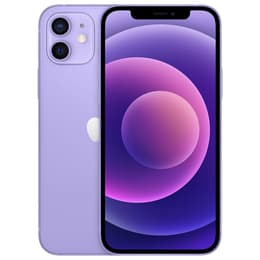
Galaxy S21 Ultra 5G Vs iPhone 12

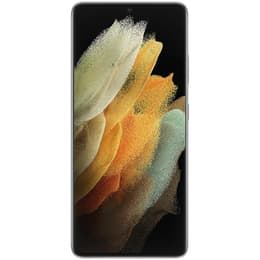
Galaxy S21 Ultra 5G
Galaxy S21 Ultra 5G
Starting at

Refurbished price:£186.00

Versus £1,800.00 new

See options
iPhone 12
iPhone 12
Starting at

Refurbished price:£141.00

Versus £649.00 new

See options

Ratings

The Samsung Galaxy S21 Ultra 5G, released in early 2021, and the iPhone 12, launched in late 2020, represent two distinct philosophies in the smartphone market. While the Galaxy S21 Ultra 5G was designed as a feature-heavy flagship with an emphasis on display technology and camera range, the iPhone 12 focused on bringing a modern design and 5G connectivity to a broader audience. Both devices operate on different ecosystems—Android and iOS respectively—offering unique interfaces and integration with other hardware. Understanding these differences is key for users deciding between these two established models.

Scores

Durability

When evaluating how long these devices will remain functional and relevant, software support and physical construction play significant roles.

  • Software Longevity: The iPhone 12 generally benefits from the long-term update cycle typical of its manufacturer, often receiving major operating system updates for six years or more. The Galaxy S21 Ultra 5G follows a committed schedule of four years of major updates and an additional year of security support, ensuring it remains secure for a significant period.
  • Physical Build: The Galaxy S21 Ultra 5G uses a robust glass and aluminium frame designed to withstand daily wear, while the iPhone 12 features a flat-edge design with a specialised glass front intended to reduce the likelihood of cracks during accidental drops.
  • Repairability and Sustainability: Both devices are well-supported by repair networks, making it easier to replace components like batteries or screens. Choosing a quality-assured refurbished option is a practical way to extend the life of these high-quality materials while making a sustainable choice.

Year of Release

2021

2020

Compatible with latest Update

Yes

Yes

OS

Android

iOS

Foldable

No

No

Performance

In everyday use, both smartphones provide a responsive experience, though they manage heavy workloads and multitasking in different ways.

  • Multitasking Capabilities: The Galaxy S21 Ultra 5G is equipped with a high amount of temporary memory, which allows it to keep numerous applications active in the background without needing to refresh them. This is particularly useful for users who frequently switch between demanding work tools and media apps.
  • System Fluidity: The iPhone 12 is known for its efficient software integration, which ensures that the interface remains smooth and apps launch quickly, even when the hardware is handling complex tasks. This efficiency helps the device maintain a consistent feel over several years of use.
  • Battery Management: With a larger physical battery, the Galaxy S21 Ultra 5G is built to support a full day of heavy usage, including video streaming and navigation. The iPhone 12, while efficient, has a smaller battery capacity and may require more frequent charging for users who spend a lot of time on their devices.

Memory (GB)

12 GB

4 GB

Screen quality

The display is often the most noticeable difference between these two models, affecting everything from reading text to watching videos.

  • Display Smoothness: The Galaxy S21 Ultra 5G features a high refresh rate, which means the screen updates more frequently per second. This results in much smoother scrolling and more fluid animations compared to the standard refresh rate found on the iPhone 12.
  • Size and Immersion: With a significantly larger screen, the Galaxy S21 Ultra 5G offers a more immersive experience for watching films or playing games. The iPhone 12 provides a more compact display that is easier to navigate with one hand while still offering vibrant colours and deep blacks.
  • Outdoor Clarity: The Samsung device is designed to reach higher brightness levels, which helps maintain visibility when using the phone outside on a bright day. The iPhone 12 also offers a clear and bright viewing experience, though it may be slightly more challenging to see in direct, intense sunlight.

Resolution

1440 x 3200

1170 x 2532

Screen type

Dynamic AMOLED 2X

Super Retina XDR OLED

Audiovisual

For users who capture a lot of photos and videos, the camera systems on these devices offer different strengths and levels of flexibility.

  • Zoom and Range: The Galaxy S21 Ultra 5G features a sophisticated quad-camera system, including two separate lenses dedicated to zooming. This allows users to take clear photos of distant subjects, whereas the iPhone 12 relies on a dual-camera system that is better suited for standard and wide-angle shots.
  • Video Consistency: The iPhone 12 is frequently praised for its stable and natural-looking video recording, making it a reliable tool for capturing family moments or social media content. Its microphones are also tuned to capture clear audio during recordings and calls.
  • Photography Detail: In well-lit conditions, both phones produce sharp and colourful images. However, the Galaxy S21 Ultra 5G's main sensor is designed to capture a high level of detail, which can be beneficial for users who like to crop their photos or print them in larger formats.

Main camera

108 megapixels

12 megapixels

Front camera

40 megapixels

12 megapixels

Miscellaneous

Practical features like connectivity, security, and physical handling often determine the long-term satisfaction with a smartphone.

  • Handling and Portability: The iPhone 12 is notably lighter and thinner, making it a comfortable choice for users who prefer a device that fits easily into a pocket. The Galaxy S21 Ultra 5G is a larger, heavier device that offers more screen space but may feel bulky to some.
  • Security and Access: The Galaxy S21 Ultra 5G uses an ultrasonic sensor hidden under the glass to read fingerprints, providing a quick way to unlock the phone. The iPhone 12 uses facial recognition technology, which many users find convenient for hands-free unlocking and secure payments.
  • Productivity Tools: A unique feature of the Galaxy S21 Ultra 5G is its compatibility with a digital stylus, allowing users to take handwritten notes or draw directly on the screen. The iPhone 12 focuses on a traditional touch interface without additional stylus support.

Weight

227 g

164 g

Width

7,56 cm

7.15 cm

Height

16,15 cm

14.67 cm

Depth

0,89 cm

0.74 cm

Screen size (in)

6.8

6.1

Mobile network

5G

5G

SIM card

Dual Physical SIM + eSIM

Physical SIM + eSIM

Carrier compatibility

Unlocked

Unlocked

Connector

USB-C

Lightning

Based on user discussions and long-term reviews, the Galaxy S21 Ultra 5G is often celebrated for its comprehensive approach to features. Users frequently highlight the impressive zoom capabilities and the large, smooth display as major benefits. However, some find the device's weight and size to be a drawback for daily portability. The iPhone 12 is consistently praised for its reliable performance, compact design, and the simplicity of the iOS ecosystem. Some users have noted that the battery life can be a limitation for those who use their phones intensively throughout the day.

Users who prioritise a large screen for media consumption, advanced photography features, and the ability to use a stylus will likely find the Galaxy S21 Ultra 5G to be the better fit for their lifestyle. Conversely, users who value a lightweight device that is easy to use with one hand and offers long-term software support may prefer the iPhone 12. Both devices remain excellent choices for those seeking high-quality technology, and choosing an eco-friendly alternative through refurbishment is a practical way to support a more sustainable electronics market. Ultimately, the decision rests on whether you prefer the expansive, feature-rich experience of the Samsung or the streamlined, reliable nature of the iPhone.
See all articles

Our recent comparisons