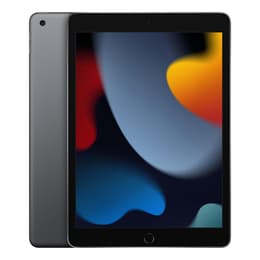
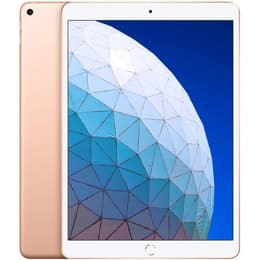

iPad 9 (2021, A13 series) Vs iPad Air 3 (2019, A12 series)

iPad 9 (2021, A13 series)
Starting at

Refurbished price:£157.00

Versus £679.00 new

See options
iPad Air 3 (2019, A12 series)
Starting at

Refurbished price:£104.00

Versus £479.00 new

See options

Ratings

The iPad 2021, also known as the 9th generation iPad, and the iPad Air 2019, or 3rd generation iPad Air, are two distinct tablet models from Apple. While both offer the familiar iPadOS experience, they cater to slightly different user needs through variations in their internal components, display technology, and design. The 9th generation iPad, released in September 2021, features a more recent processor and an enhanced front camera, whereas the 3rd generation iPad Air, launched in March 2019, provides a larger, laminated display and a more compact form factor for its screen size.

Scores

Durability

When considering the longevity of these devices, their release timelines and Apple's software support policies are key factors.

  • Release Timeline: The iPad 9th generation was released in September 2021, making it two and a half years newer than the iPad Air 3rd generation, which debuted in March 2019. This difference in release date directly impacts their expected software support lifespan.
  • OS Support Duration: Apple typically provides major iPadOS updates for approximately 5 to 7 years from a device's release. The iPad 9th generation is expected to receive regular iPadOS updates until around 2026, with security patches potentially extending to 2028. The iPad Air 3rd generation, being an older model, is likely to see its major iPadOS updates conclude sooner, with some sources suggesting around early 2026 for total support.
  • Repairability: Both iPads, like many modern tablets, present challenges for self-repair due to the extensive use of adhesives for components like the display and battery. The iPad Air series, in particular, has historically received low repairability scores from independent assessments, indicating that professional repair is often necessary.

Year of Release

2021

2019

Compatible with latest Update

Yes

Yes

OS

iPadOS

iPadOS

Maximum Operating System supported

iPadOS 18

iPadOS 18

Performance

The performance of a tablet is largely determined by its internal processing capabilities and how efficiently it handles various tasks.

  • Processor Capabilities: The iPad 9th generation is equipped with a more recent processor, which translates to a noticeable improvement in speed and efficiency compared to the iPad Air 3rd generation. This allows the 9th generation iPad to handle demanding applications and multitasking more smoothly. The iPad Air 3rd generation, while still capable for everyday use, may exhibit occasional delays with intensive tasks due to its older processor.
  • Multitasking Responsiveness: Both devices offer 3GB of RAM, which is sufficient for general multitasking such as switching between apps and using Split View. However, users of the iPad Air 3rd generation might experience apps reloading more frequently when many applications are open simultaneously, a common characteristic of devices with less RAM when pushed. The iPad 9th generation generally maintains smoother transitions and app retention in memory.
  • Storage Options: Both models were available with 64GB and 256GB internal storage options, providing flexibility for users depending on their content and application needs.

Memory (GB)

3 GB

3 GB

Processor

Apple A13 Bionic

Apple A12 Bionic

Screen quality

The visual experience on a tablet is heavily influenced by its display technology and characteristics.

  • Display Technology and Size: The iPad 9th generation features a 10.2-inch Retina IPS LCD display, offering clear visuals and good color reproduction. The iPad Air 3rd generation has a slightly larger 10.5-inch Retina IPS LCD display. A key difference is that the iPad Air 3rd generation's display is fully laminated and includes an anti-reflective coating, which can reduce glare and make the screen appear closer to the glass. The iPad 9th generation's display is not laminated, which can result in a slight gap between the glass and the display panel.
  • Resolution and Clarity: Both iPads offer a resolution of 264 pixels per inch (ppi), providing sharp text and images for typical viewing distances. The iPad 9th generation has a resolution of 2160 x 1620 pixels, while the iPad Air 3rd generation has 2224 x 1668 pixels, both maintaining similar pixel density.
  • Brightness and Color: Both displays offer a typical maximum brightness of 500 nits, suitable for indoor use. The iPad Air 3rd generation supports a wider P3 color gamut, which can display a broader range of colors, beneficial for creative tasks, whereas the iPad 9th generation supports sRGB. Both include True Tone technology, which adjusts the display's color temperature to match ambient light.

Resolution

2160 x 1620

2224 x 1668

True Tone

Yes

Yes

Pro-Motion

No

No

Screen type

Retina display

Retina display

Pixel density

264ppp

264ppp

Brightness

500 nits brightness

500 nits brightness

Sound quality

Speakers

Stereo speakers

Stereo speakers

Audiovisual

The camera systems on these iPads are designed for different primary uses, with distinct capabilities for photography and video calls.

  • Front Camera: The iPad 9th generation features a 12MP Ultra Wide front camera with Center Stage, a feature that automatically keeps the user in the frame during video calls. This makes it particularly well-suited for virtual meetings and online learning. The iPad Air 3rd generation has a 7MP front camera, which is suitable for standard video calls and selfies.
  • Rear Camera: Both tablets are equipped with an 8MP wide rear camera. This camera is functional for document scanning, casual photography, and augmented reality applications, but it is not designed for professional-grade photography.
  • Video Recording and Audio: Both iPads support 1080p HD video recording with their rear cameras. For audio, both feature stereo speakers, providing a decent sound experience for media consumption. The iPad 9th generation retains a 3.5mm headphone jack, offering a traditional audio output option. The iPad Air 3rd generation also includes a headphone jack.

Miscellaneous

Beyond core performance and display, several practical elements contribute to the overall user experience of these tablets.

  • Connectivity: Both the iPad 9th generation and iPad Air 3rd generation support Wi-Fi 5 (802.11ac) and Bluetooth 4.2. Cellular models for both offer Gigabit-class LTE connectivity.
  • Port Types: Both devices utilize the Lightning port for charging and data transfer. They also both retain a 3.5mm headphone jack.
  • Security and Accessories: Both iPads feature Touch ID for secure authentication, integrated into the home button. Both are compatible with the 1st generation Apple Pencil and the Smart Keyboard, expanding their utility for note-taking, drawing, and typing.
  • Dimensions and Build: The iPad 9th generation measures 250.6 x 174.1 x 7.5 mm and weighs approximately 487g (Wi-Fi model). The iPad Air 3rd generation is slightly thinner and lighter, measuring 250.6 x 174.1 x 6.1 mm and weighing around 456g (Wi-Fi model). Both feature an aluminum back and frame with a glass front.

Weight

498 g

456 g

Width

17.41 cm

17.41 cm

Height

25.06 cm

25.06 cm

Depth

0.75 cm

0.61 cm

Screen size (in)

10.2

10.5

Network

Wi-Fi + 4G

Wi-Fi

Carrier compatibility

Unlocked

Without SIM Port

Wi-Fi technology

Wi-Fi 6 802.11a/b/g/n/ac

Wi-Fi 6 802.11a/b/g/n/ac

Bluetooth Version

Bluetooth 4.2

Bluetooth 5.0

Face ID

No

No

Touch ID

Yes

Yes

Connector

Lightning connector

Lightning connector

User sentiment for both the iPad 9th generation and the iPad Air 3rd generation generally highlights their reliability and suitability for everyday tasks. The iPad 9th generation is frequently praised for its solid performance for its segment, excellent battery life, and the utility of its Center Stage front camera for video calls. Some users note its classic design with larger bezels as a dated aspect. The iPad Air 3rd generation is often commended for its slightly larger, laminated display and lighter build, making it a comfortable device for media consumption and portability. However, its older processor and potentially shorter software support window are common considerations.

Users prioritizing extended software support and an improved front camera for video conferencing may find the iPad 9th generation better suited to their needs. Its more recent processor also offers a performance advantage for general use. Conversely, individuals who value a slightly larger, laminated display with wider color support and a marginally thinner, lighter design might lean towards the iPad Air 3rd generation. Both devices offer compatibility with the 1st generation Apple Pencil and Smart Keyboard, making them versatile tools for students and professionals. For those seeking an eco-friendly alternative, both models are available as quality-assured refurbished options, providing a sustainable choice for acquiring a capable tablet.


See all articles

Our recent comparisons