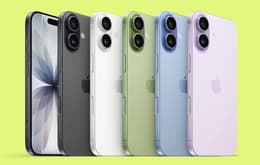
iPhones
Compare models
Differences at a glance
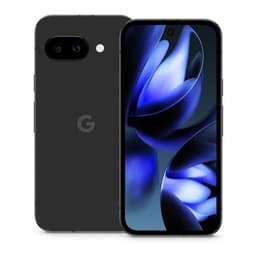
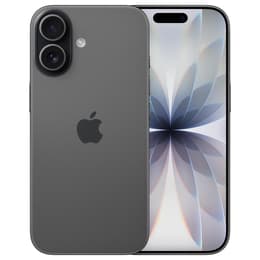
The Google Pixel 9A and the iPhone 17 represent distinct approaches to smartphone design and functionality, catering to different user preferences within the modern mobile landscape. The Pixel 9A, released in April 2025, operates on the Android platform, emphasizing advanced computational photography and artificial intelligence features. The iPhone 17, anticipated for release in September 2025, runs on Apple's iOS, focusing on a refined user experience, robust performance, and an integrated ecosystem. While both devices offer powerful capabilities, they differ in their core operating systems and their philosophies regarding camera technology and design.
Colour
Storage
When considering the long-term usability of a smartphone, software support and physical resilience are key factors. Both the Google Pixel 9A and the iPhone 17 are designed with longevity in mind, though their support cycles and durability features vary.
Year of Release
Compatible with latest Update
OS
Foldable
The performance of a smartphone is largely determined by its internal components, influencing everything from app responsiveness to multitasking efficiency and gaming capabilities. Both the Google Pixel 9A and the iPhone 17 are equipped with current-generation processors designed to handle demanding tasks.
The display is a primary interface for smartphone interaction, and both devices offer high-quality viewing experiences with distinct characteristics.
Resolution
Photography and videography capabilities are central to modern smartphones, and both the Google Pixel 9A and the iPhone 17 are equipped with advanced camera systems designed to capture high-quality content.
Front camera
Beyond core performance and display, several practical elements contribute to the overall user experience, including connectivity, physical design, and biometric security.
Weight
Screen size (in)
Mobile network
SIM card
Carrier compatibility
Connector
The Google Pixel 9A and the iPhone 17 each present a compelling package, tailored to different user priorities. User sentiment for Pixel A-series phones often highlights their exceptional camera performance, particularly in computational photography, and their integration with Google's AI services. Criticisms sometimes revolve around modem performance or perceived design aesthetics compared to flagship models. For iPhones, users frequently praise the seamless iOS ecosystem, strong privacy features, and consistent performance. Common concerns can include the lack of customization options compared to Android or the iterative nature of some hardware updates.
Users who prioritize cutting-edge artificial intelligence features, a robust computational photography experience, and a longer software support window within the Android ecosystem may find the Google Pixel 9A well-suited to their needs. Its flush camera design and large battery capacity are also notable advantages. Conversely, users who value a highly integrated and intuitive operating system, a strong emphasis on privacy and security, and a consistent design language will likely lean towards the iPhone 17. Its anticipated display enhancements and upgraded front camera are significant draws.
Ultimately, the choice between these two devices depends on individual preferences for operating system, camera philosophy, and design. Both offer a modern smartphone experience, and for those looking for a more environmentally conscious purchase, exploring quality-assured refurbished options for either model can provide an excellent and sustainable choice.