
Compare models

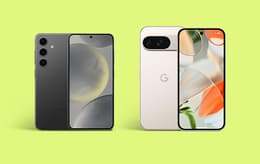
Google Pixel 8 Pro Vs iPhone Air

  • 1-year minimum warranty
  • Free delivery on all items
  • Free 30-day returns
Google Pixel 8 Pro
Starting at

Refurbished price:£235.00

Versus £960.91 new

See options
iPhone Air
Starting at

Refurbished price:£627.00

Versus £1,099.00 new

See options

Differences at a glance

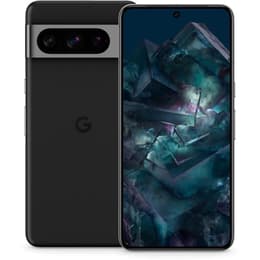
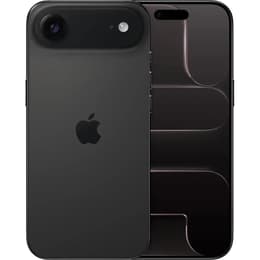
The Google Pixel 8 Pro (2023) and the Apple iPhone Air (2025) represent two distinct philosophies in smartphone engineering, bringing together Google's advanced artificial intelligence capabilities and Apple's ultra-thin design ethos. While the Pixel 8 Pro focuses on a feature-rich, traditional flagship experience, the iPhone Air prioritizes a featherlight profile and high-efficiency performance. Running on Android and iOS respectively, these devices serve very different user preferences while offering modern connectivity and robust daily functionality.

Available Models

Colour

Storage (GB)

Scores

Durability

Both devices are built for longevity, though they approach software support and physical durability through different timelines and material choices.

  • Software longevity: The Pixel 8 Pro benefits from an extensive seven-year software support commitment, whereas the iPhone Air follows Apple's standard multi-year update path tied to its newer release year.
  • Repairability and build: The Pixel 8 Pro utilizes standard robust housing suited for traditional repairs, while the iPhone Air features a rigid titanium frame engineered around an exceptionally slim chassis.
  • Expected lifespan: Both models maintain high processing headroom to ensure smooth operation over years of typical daily use.

Year of Release

2023

2025

Performance

Handling daily apps, multitasking, and demanding workflows is managed efficiently by both devices through distinct internal hardware architectures.

  • System responsiveness: Both devices load heavy applications quickly and handle background multitasking seamlessly without noticeable stutter.
  • Battery behavior: The Pixel 8 Pro accommodates a larger physical battery capacity for extended daily use, while the iPhone Air relies on power-efficient processing to maintain endurance within a very thin frame.
  • Multitasking capacity: Generous memory configurations on both models allow users to switch between resource-heavy programs smoothly.

Screen quality

Visual output is a strong suit for both smartphones, delivering sharp resolution and fluid motion for media consumption and reading.

  • Display technology: Both models utilize advanced OLED panels that produce deep blacks, vibrant colors, and high contrast ratios.
  • Outdoor visibility: High peak brightness levels on both screens ensure content remains legible under direct sunlight.
  • Smoothness: Adaptive refresh rates scaling up to 120Hz provide fluid scrolling and responsive touch feedback across menus and supported applications.

Audiovisual

Photography and media recording capabilities reflect the contrasting priorities of a versatile multi-lens array versus a streamlined single-lens system.

  • Camera versatility: The Pixel 8 Pro features a flexible triple-lens setup including dedicated optical zoom, whereas the iPhone Air opts for a single high-resolution primary lens streamlined into the rear chassis plateau.
  • Media playback: The Pixel 8 Pro delivers stereo sound output suited for casual video viewing, while the iPhone Air utilizes a minimalist single-speaker layout.
  • Everyday capture: Both devices process everyday photos rapidly, utilizing computational enhancements to balance highlights and shadows in varied lighting conditions.

Miscellaneous

Physical dimensions and connectivity standards define how each device handles in the hand and connects to modern accessories.

  • Handling and dimensions: The iPhone Air emphasizes an ultra-slim profile and lighter weight, whereas the Pixel 8 Pro offers a slightly heavier, traditional form factor with a large screen footprint.
  • Port and connectivity: Both devices feature USB-C connectivity and modern wireless standards, with the iPhone Air relying entirely on digital SIM technology.
  • Security sensors: Secure biometric authentication is handled via fast facial recognition and reliable fingerprint sensing depending on the model.

Screen size (in)

6.7

6.5

Mobile network

5G

5G

SIM card

Physical SIM + eSIM

eSIM

Carrier compatibility

Unlocked

Unlocked

What the community thinks

User discussions across online communities highlight distinct preferences for each device. Owners of the Google Pixel 8 Pro frequently praise its versatile multi-lens camera system, long software support window, and bright display. Conversely, users drawn to the Apple iPhone Air often emphasize its remarkably thin and light titanium build that reduces pocket fatigue during all-day carry. At the same time, some community members note trade-offs, such as the Pixel's heavier footprint or the iPhone Air's single-speaker output and simplified camera selection.

Users prioritizing maximum photographic flexibility, long-term software commitments, and traditional ergonomics may prefer the Google Pixel 8 Pro. Meanwhile, users who value an ultra-lightweight chassis, streamlined aesthetics, and the iOS ecosystem will find the Apple iPhone Air well-suited to their daily routine. Exploring a quality-assured refurbished option provides an eco-friendly way to access these advanced technologies while supporting sustainable consumption habits. Ultimately, the right choice depends entirely on whether physical lightness or hardware versatility ranks higher on your list of priorities.