Compare models
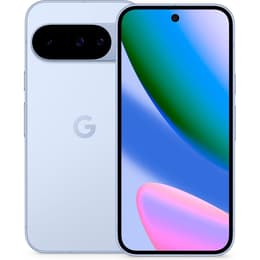
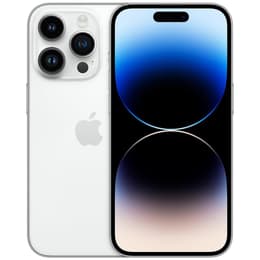
Google Pixel 10 Vs iPhone 14 Pro
- 1-year minimum warranty
- Free delivery on all items
- Free 30-day returns
Differences at a glance
The Google Pixel 10 (2025) and the Apple iPhone 14 Pro (2022) represent two different generations and ecosystems in the smartphone market. While the Google Pixel 10 runs on Android with integrated artificial intelligence features, the iPhone 14 Pro operates on iOS inside a stainless steel framework. Choosing between them involves weighing software ecosystem preferences, update timelines, and day-to-day handling dynamics.
Available Models
Colour
Storage
Scores
Durability
When examining longevity, these devices offer contrasting support windows and build updates corresponding to their release dates.
- Software Support Window: The Google Pixel 10 benefits from an extended software update commitment spanning multiple years, whereas the iPhone 14 Pro follows Apple's established multi-year lifecycle policy.
- Repairability and Build: Both devices feature robust internal components, though exterior materials differ between aluminum-backed glass on the Pixel and textured matte glass with stainless steel on the iPhone.
- Expected Lifespan: Both models maintain strong daily usability over time, with the newer release offering an extended horizon for future security patches.
Year of Release
2025
2022
Compatible with latest Update
Yes
Yes
OS
Android
iOS
Foldable
No
No
Performance
System responsiveness and everyday operation differ due to hardware variations and memory allocations under the hood.
- Multitasking and Memory: The Google Pixel 10 handles demanding background tasks and simultaneous applications efficiently with its high RAM allocation, while the iPhone 14 Pro manages memory through streamlined software optimization.
- App Loading and Gaming: Both smartphones launch heavy applications smoothly and maintain stable frame rates during prolonged media usage or casual gaming sessions.
- Battery Behavior: The Google Pixel 10 features a large battery capacity designed to sustain typical heavy usage throughout a full day, whereas the iPhone 14 Pro relies on a smaller capacity that may require a top-up by evening for intensive users.
Screen quality
Display characteristics on both devices deliver high clarity, though panel technologies and peak brightness capabilities vary.
- Display Technology: Both models utilize vibrant OLED panels with deep black levels, ensuring high contrast for daily viewing and media playback.
- Brightness and Outdoor Legibility: The Google Pixel 10 offers extremely high peak brightness levels for clear outdoor visibility under direct sunlight, matching the robust outdoor viewing performance of the iPhone 14 Pro.
- Refresh Rate and Smoothness: Both screens support fluid refresh rates up to 120Hz, providing smooth scrolling through web pages and responsive touch feedback.
Resolution
1080x2424
1179 x 2556
Screen type
OLED
LTPO Super Retina XDR OLED
Audiovisual
Optics and media capture hardware cater to different photography styles and video recording preferences.
- Camera System Setup: The Google Pixel 10 incorporates a versatile multi-lens rear array including dedicated zoom capabilities, matching the triple-lens configuration found on the iPhone 14 Pro.
- Photography and Low Light: Google relies on computational photography algorithms for balanced exposures and sharp low-light images, while Apple emphasizes natural color grading and rapid shutter response.
- Video and Audio: The iPhone 14 Pro provides detailed video stabilization and cinematic recording modes, complemented by clear microphone input and balanced stereo speakers.
Front camera
42 megapixels
12 megapixels
Miscellaneous
Physical dimensions and connectivity standards shape how each device fits into daily routines and travel gear.
- Connectivity and Ports: The Google Pixel 10 features a USB-C port alongside modern 5G and Wi-Fi standards, whereas the iPhone 14 Pro utilizes a Lightning connector alongside its own suite of wireless connectivity options.
- Security and Sensors: The Google Pixel 10 uses an under-display fingerprint reader and face recognition, while the iPhone 14 Pro relies entirely on secure facial mapping housed within the interactive display cutout.
- Dimensions and Weight: Both phones offer compact 6.1 to 6.3-inch form factors that fit comfortably in pockets, though the stainless steel finish of the iPhone adds a slightly heavier hand-feel compared to the lighter aluminum blend of the Pixel.
Weight
204 g
206 g
Screen size (in)
6.3
6.1
Mobile network
5G
5G
SIM card
Physical SIM + eSIM
Physical SIM + eSIM
Carrier compatibility
Unlocked
Unlocked
Connector
USB-C
Lightning
What the community thinks
User discussions across community forums highlight distinct preferences for each device. Owners of the Google Pixel 10 frequently praise its fluid interface integration, advanced artificial intelligence utilities, and bright display panel, though some note that certain camera software updates alter processing consistency. Conversely, users of the iPhone 14 Pro commend its sturdy build quality, reliable video recording features, and smooth iOS ecosystem integration, while occasionally mentioning that battery capacity diminishes under heavy navigation or gaming tasks.
Users prioritizing deep Android customization, expanded multitasking headroom, and integrated smart assistants will find the Google Pixel 10 well-suited to their workflow. Meanwhile, users preferring the Apple iOS environment, premium frame materials, and consistent video capture tools may lean toward the iPhone 14 Pro. For those exploring sustainable purchasing paths, a quality-assured refurbished option provides a reliable way to acquire either model while minimizing environmental impact.