
Smartphones
Compare models
Differences at a glance
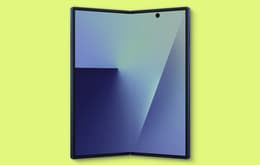
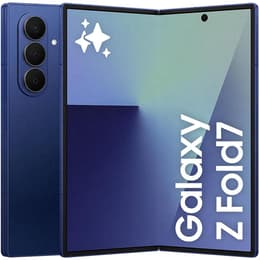
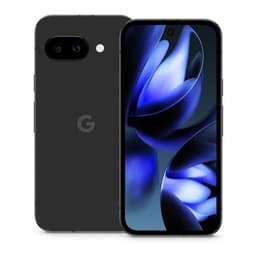
The Samsung Galaxy Z Fold7, released in July 2025, and the Google Pixel 9A, launched in March 2025, represent distinct approaches to modern smartphone design. The Z Fold7 offers a unique foldable form factor that transforms from a traditional smartphone into a larger tablet-like display, while the Pixel 9A maintains a conventional slab design. Both devices operate on the Android platform, with the Z Fold7 launching with Android 16 and the Pixel 9A with Android 15, each integrating their respective manufacturer's software enhancements.
Colour
Storage
When considering the long-term usability of a smartphone, factors like software support and physical resilience are key. Both the Galaxy Z Fold7 and the Pixel 9A offer substantial commitments to software longevity, though their physical designs present different durability considerations.
Year of Release
Compatible with latest Update
OS
Foldable
The performance of a smartphone is largely determined by its internal components, influencing how smoothly applications run and how efficiently it handles demanding tasks. Both devices are equipped with powerful processors designed for modern mobile computing.
The display is a primary interface for any smartphone, and both the Galaxy Z Fold7 and the Pixel 9A offer high-quality viewing experiences, albeit with significant differences in form factor and technology.
Resolution
Camera capabilities are a significant consideration for many users, and both the Galaxy Z Fold7 and the Pixel 9A aim to deliver strong photographic performance, though with different hardware and processing philosophies.
Beyond core performance and display, several practical features contribute to the overall user experience and daily utility of a smartphone.
Weight
Screen size (in)
Mobile network
SIM card
Carrier compatibility
User feedback for the Galaxy Z Fold7 often highlights its innovative foldable design and the versatility it offers, effectively combining a smartphone and a tablet experience. Users appreciate the larger, more immersive inner display for multitasking and media consumption, as well as the significant camera upgrades, particularly the high-resolution main sensor. The improved durability and thinner, lighter design are also frequently praised, addressing common concerns about previous foldable generations. Some criticisms, however, point to the absence of S Pen support and the telephoto camera's performance beyond 3x optical zoom not always matching the main sensor's quality in challenging conditions.
The Google Pixel 9A receives consistent praise for its exceptional camera performance, especially its main sensor, which leverages Google's computational photography to produce high-quality images, even in low light. Users also value its long software support, robust build quality with an IP68 rating, and smooth overall performance for its category. Some common criticisms include the use of Gorilla Glass 3, which is an older standard, and the challenges associated with battery replacement. Additionally, some users have reported occasional software bugs, though these are often addressed with updates.
Users prioritizing a cutting-edge, versatile device with a large, immersive display for productivity and media will find the Galaxy Z Fold7 well-suited to their needs. Its advanced camera system and robust foldable design cater to those seeking a premium and innovative smartphone experience. Conversely, users who prioritize a consistently excellent camera for everyday photography, long-term software support, and a reliable, traditional smartphone form factor may lean toward the Google Pixel 9A. It offers a strong balance of features for general use, making it a practical choice for many. Both devices offer compelling features for different user profiles, and for those considering a more sustainable option, quality-assured refurbished versions of both models can provide an eco-friendly alternative.