
Smartphones
Compare models
Differences at a glance
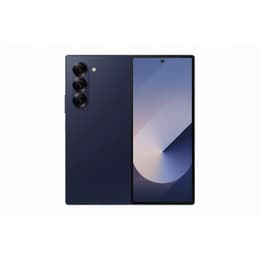
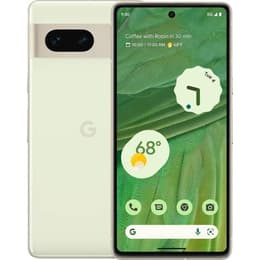
The Samsung Galaxy Z Fold6, released in July 2024, and the Google Pixel 7, launched in October 2022, represent distinct approaches to smartphone design and functionality. The primary differentiator lies in their form factor: the Z Fold6 offers a foldable design that transforms from a traditional smartphone into a larger tablet-like experience, while the Pixel 7 maintains a conventional slab smartphone build. Both devices operate on the Android platform, but they cater to different user preferences through their unique hardware and software integrations.
Colour
Storage (GB)
When considering the long-term usability of a device, factors like software support, physical resilience, and repairability play a significant role. The Galaxy Z Fold6, being a newer device, benefits from an extended support timeline compared to the Pixel 7.
Year of Release
Compatible with latest Update
OS
Foldable
The performance capabilities of these two devices reflect their respective release timelines and design philosophies. The Galaxy Z Fold6 incorporates a more recent processor, leading to differences in handling demanding tasks and overall system responsiveness.
The display experience is a major distinguishing factor between these two smartphones, primarily due to the Z Fold6's unique foldable design and the generational advancements in display technology.
Resolution
Screen type
Both the Galaxy Z Fold6 and the Google Pixel 7 are recognized for their camera capabilities, though they achieve their results through different hardware configurations and computational photography strengths.
Main camera
Front camera
Beyond the core specifications, several practical elements contribute to the overall user experience and differentiate the Galaxy Z Fold6 and the Google Pixel 7.
Weight
Screen size (in)
Mobile network
SIM card
Carrier compatibility
The Samsung Galaxy Z Fold6 and the Google Pixel 7 cater to different user needs and preferences, largely defined by their form factors and release generations. Users often praise the Z Fold6 for its innovative foldable display, which offers a tablet-like experience for productivity and media consumption, alongside its powerful performance and extended software support. Some common observations include its robust build for a foldable and the versatility of having two screens. However, some users note that its camera, while capable, might not always match the absolute best traditional flagships, and its battery life, while improved, is still a consideration for heavy users of the large inner display.
The Google Pixel 7 is frequently lauded for its exceptional camera performance, particularly its computational photography features that deliver consistent and high-quality images, especially in challenging conditions. Its clean Android experience and timely software updates are also highly valued. Some users have expressed concerns about its battery life under heavy use and the 90Hz refresh rate being less fluid than higher refresh rate displays on newer devices.
Users prioritizing a cutting-edge, versatile device for multitasking, media, and a large screen experience will find the Galaxy Z Fold6 well-suited to their needs. Its newer processor and longer software support also make it a compelling choice for those seeking a device with a longer technological runway. Conversely, users who value a more traditional, compact smartphone with a strong emphasis on camera quality and a streamlined software experience may lean towards the Google Pixel 7. For those considering either device, exploring quality-assured refurbished options can provide an eco-friendly alternative to extend the life cycle of these technologies.