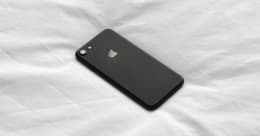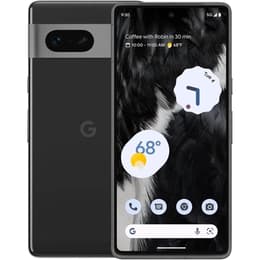
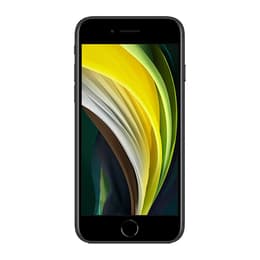

Google Pixel 7 Vs iPhone SE (2020)

Google Pixel 7
Google Pixel 7
Starting at

Refurbished price:£136.00

Versus £729.00 new

See options
iPhone SE (2020)
iPhone SE (2020)
Starting at

Refurbished price:£65.00

Versus £289.00 new

See options

Ratings

The Google Pixel 7 (2022) and the iPhone SE (2020) represent two very different approaches to the modern smartphone experience. While the Pixel 7 is a contemporary flagship running the Android operating system, the iPhone SE (2020) is a compact, classic-style device that utilises Apple's iOS. These phones cater to distinct user preferences, particularly regarding physical size, navigation methods, and software ecosystems. Understanding the gap in their release dates is essential, as the two-year difference significantly impacts their long-term utility and modern feature sets.

Scores

Durability

The release timeline is a primary factor in the expected lifespan and software support for these two devices.

  • Software Longevity: The Pixel 7, launched in late 2022, is scheduled to receive security updates and operating system refreshes for several more years, making it a viable long-term companion for those who want the latest features. In contrast, the iPhone SE (2020) is approaching the later stages of its official support cycle, meaning it may stop receiving major iOS updates sooner than the Google model.
  • Physical Build and Repair: Both manufacturers have established repair programmes, though the Pixel 7 features more modern glass and metal construction. The iPhone SE (2020) uses a design that is well-understood by technicians, often making simple repairs like screen replacements straightforward and accessible.
  • Environmental Resilience: The Pixel 7 carries a high rating for dust and water resistance, providing peace of mind during accidental submersions. The iPhone SE (2020) also offers water resistance, though its older seals may not be as robust as those found on the newer Google device.

Year of Release

2022

2020

Compatible with latest Update

Yes

Yes

OS

Android

iOS

Foldable

No

No

Performance

Daily usage reveals significant differences in how these devices handle modern applications, multitasking, and power management.

  • System Responsiveness: The Pixel 7 provides a fluid experience when switching between demanding apps or processing high-resolution photos, thanks to its more modern internal architecture. The iPhone SE (2020) remains snappy for basic tasks like messaging and browsing, but users may notice slight pauses when loading heavy games or complex video editing tools.
  • Battery Endurance: Due to its larger physical footprint, the Pixel 7 houses a high-capacity battery that typically supports a full day of varied use. The iPhone SE (2020) has a much smaller battery, which may require a mid-day charge for users who frequently stream video or use GPS navigation.
  • Multitasking Capabilities: With more memory dedicated to active tasks, the Pixel 7 keeps more apps open in the background without needing to reload them. The iPhone SE (2020) is more conservative with background processes, which can lead to apps refreshing more often when you return to them after using other software.

Memory (GB)

8 GB

3 GB

Screen quality

The viewing experience is perhaps the most immediate difference between these two smartphones, affecting everything from reading text to watching videos.

  • Display Technology: The Pixel 7 utilises an OLED panel, which offers deep blacks and high contrast, making it excellent for watching films or viewing photos. The iPhone SE (2020) uses an LCD screen, which provides natural colours but lacks the vibrant punch and true black levels found on the Google device.
  • Smoothness and Motion: With a higher refresh rate, the Pixel 7 makes scrolling through social media feeds and system menus appear much smoother. The iPhone SE (2020) operates at a standard refresh rate, which feels traditional but less fluid compared to modern high-speed displays.
  • Size and Clarity: The Pixel 7 features a large, high-resolution screen that covers most of the front of the device, providing an immersive experience. The iPhone SE (2020) has a much smaller display with significant borders at the top and bottom, which some users prefer for easy one-handed operation.

Resolution

1080 x 2400

750 x 1334

Screen type

AMOLED

Retina IPS LCD

Audiovisual

Photography and media consumption are handled differently by each device's hardware and software processing capabilities.

  • Camera Versatility: The Pixel 7 includes both a wide and an ultra-wide lens, allowing users to capture expansive landscapes or large group shots easily. The iPhone SE (2020) relies on a single rear camera, which produces high-quality images in good lighting but lacks the flexibility of an extra lens for different perspectives.
  • Low-Light Performance: Google’s advanced image processing allows the Pixel 7 to capture clear, detailed photos in very dark environments. The iPhone SE (2020) performs well in daylight, but its smaller sensor and older processing mean that night-time photos often contain more grain and less detail.
  • Audio and Video: Both devices offer stereo speakers, but the Pixel 7 provides a fuller sound with more noticeable bass for media consumption. For video recording, both are capable of high-definition capture, though the Pixel 7 offers more advanced stabilisation features for smoother handheld footage.

Main camera

50 megapixels

12 megapixels

Front camera

10.8 megapixels

7 megapixels

Miscellaneous

Practical features and physical handling play a large role in the daily user experience and how the device fits into your routine.

  • Connectivity and Ports: The Pixel 7 supports 5G networks for faster mobile data speeds and uses a universal USB-C port for charging. The iPhone SE (2020) is limited to 4G connectivity and uses the proprietary Lightning port, which may require specific cables if you are moving from other modern electronics.
  • Biometric Security: Users can unlock the Pixel 7 using either a fingerprint sensor hidden under the screen or facial recognition. The iPhone SE (2020) uses a physical Home button with a built-in fingerprint sensor, a tactile method that many users find reliable and familiar.
  • Portability and Handling: The iPhone SE (2020) is exceptionally light and small, fitting easily into tight pockets and being very comfortable for one-handed use. The Pixel 7 is larger and heavier, requiring a more deliberate grip but offering significantly more screen real estate in return.

Weight

197 g

148 g

Screen size (in)

6.3

4.7

Mobile network

5G

4G

SIM card

Physical SIM + eSIM

Physical SIM + eSIM

Carrier compatibility

Unlocked

Unlocked

Connector

USB-C + Jack 3.5mm

Lightning

Choosing between the Google Pixel 7 and the iPhone SE (2020) often comes down to a preference for modern features versus classic portability. Public sentiment on user forums suggests that owners of the Pixel 7 highly value its photography capabilities and the vibrant, smooth display. However, some users have noted that the device can feel quite large for those with smaller hands. On the other hand, the iPhone SE (2020) is frequently praised for its compact form factor and the reliability of the physical Home button. The most common criticism for the SE model is its battery life, which many find insufficient for a full day of heavy use in the current year.

Users who prioritise a large, high-quality screen for media consumption and want the latest camera features will likely find the Pixel 7 better suited to their needs. Conversely, those who prefer a small, lightweight phone that is easy to use with one hand and who are already comfortable within the Apple ecosystem may lean toward the iPhone SE (2020). For those looking to make a sustainable choice, selecting a quality-assured refurbished option is an excellent way to access these technologies while reducing environmental impact. Ultimately, both devices remain functional choices, and opting for an eco-friendly alternative through refurbishment ensures you receive a thoroughly tested device that fits your lifestyle and priorities.


See all articles

Our recent comparisons