
Galaxy Z Flip5 Vs iPhone 16 Pro

Galaxy Z Flip5
Galaxy Z Flip5
Starting at

Refurbished price:£266.76

Versus £1,145.61 new

See options
iPhone 16 Pro
iPhone 16 Pro
Starting at

Refurbished price:£564.00

Versus £999.00 new

See options

Ratings

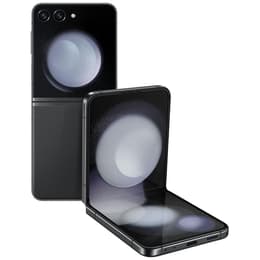
The Samsung Galaxy Z Flip5, released in July 2023, is a distinctive foldable smartphone running on the Android operating system. In contrast, the iPhone 16 Pro, launched in September 2024, offers a traditional smartphone experience powered by Apple's iOS. These devices cater to different user preferences, primarily distinguished by their form factor and software ecosystems. While the Z Flip5 offers a compact, pocketable design with a unique folding screen, the iPhone 16 Pro focuses on delivering a high-performance, robust, and integrated experience within a conventional slab design.

Scores

Durability

When considering the long-term usability of these devices, their release timelines and software support policies are key factors.

  • Software Longevity: The iPhone 16 Pro, having been released in September 2024, is expected to receive major iOS updates for approximately 6 to 7 years from its launch, ensuring a prolonged period of new features and security enhancements. The Galaxy Z Flip5, released in July 2023, typically receives around 4 years of Android operating system updates and 5 years of security updates.
  • Physical Durability: The Galaxy Z Flip5 features an Armor Aluminum frame and Gorilla Glass Victus 2 on its exterior, along with IPX8 water resistance, meaning it can withstand submersion in fresh water. The iPhone 16 Pro incorporates a titanium frame and a Ceramic Shield front cover, offering enhanced resistance against drops and scratches, alongside an IP68 rating for both water and dust resistance.
  • Practical Lifespan: Both devices are built to last, but the iPhone 16 Pro's longer software support cycle generally translates to a longer practical lifespan for users who prioritize access to the latest software features and security patches.

Year of Release

2023

2024

Compatible with latest Update

Yes

Yes

Foldable

Yes

No

Performance

The performance of a smartphone impacts everything from app responsiveness to demanding tasks like gaming and video editing.

  • Processing Power: The iPhone 16 Pro is equipped with a newer generation processor, which translates to smoother handling of intensive applications, faster app loading times, and a more fluid experience during graphically demanding games. The Galaxy Z Flip5, while still offering capable performance for everyday tasks and multitasking, uses a processor from an earlier generation.
  • Multitasking and Responsiveness: Both devices feature 8GB of RAM, allowing for efficient multitasking and switching between applications. However, the iPhone 16 Pro's overall system optimization and newer processor contribute to a perception of slightly more immediate responsiveness in various scenarios.
  • Storage Options: The Galaxy Z Flip5 is available with 256GB or 512GB of internal storage. The iPhone 16 Pro offers a broader range of storage configurations, including 128GB, 256GB, 512GB, and 1TB options, providing more flexibility for users with extensive storage needs.
  • Battery Behavior: The Galaxy Z Flip5 has a 3700 mAh battery, with some users reporting that heavy usage may necessitate a mid-day charge. The iPhone 16 Pro, with a 3582 mAh battery, generally provides a full day of use for most users, benefiting from its efficient processor and software optimizations.

Memory (GB)

8 GB

8 GB

Screen quality

The visual experience is a primary consideration for many users, and both devices offer distinct display characteristics.

  • Display Technology and Clarity: The Galaxy Z Flip5 features a 6.7-inch foldable Dynamic AMOLED 2X main screen with a resolution of 1080 x 2640 pixels, offering vibrant colors and deep blacks. It also includes a 3.4-inch Super AMOLED cover screen for quick interactions. The iPhone 16 Pro sports a 6.3-inch Super Retina XDR OLED display with a higher resolution of 2622 x 1206 pixels, resulting in a sharper image with a pixel density of 460 PPI.
  • Brightness and Outdoor Visibility: The iPhone 16 Pro's display can reach up to 1000 nits of typical brightness and a peak of 2000 nits, making it highly visible even in bright outdoor conditions. While the Galaxy Z Flip5's display is vibrant, specific peak brightness figures are not as prominently highlighted, though it offers a clear viewing experience.
  • Refresh Rate and Smoothness: Both devices feature adaptive refresh rates up to 120Hz on their main displays, which contributes to smooth scrolling and fluid animations. The iPhone 16 Pro's ProMotion technology dynamically adjusts the refresh rate to optimize power consumption and visual fluidity.
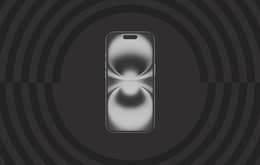
  • Unique Screen Features: The Z Flip5's primary differentiator is its foldable main screen and the highly functional cover screen, which allows users to perform various tasks without unfolding the device. The iPhone 16 Pro features the Dynamic Island, an interactive area around the front camera cutout that displays alerts and background activities.

Resolution

1080 x 2640

1206 x 2622

Screen type

Foldable Dynamic AMOLED 2X

LTPO Super Retina XDR OLED

Audiovisual

For many, the camera system is a crucial aspect of a modern smartphone, and these two devices approach photography with different strengths.

  • Rear Camera Systems: The Galaxy Z Flip5 is equipped with a dual-camera setup, featuring a 12MP main sensor and a 12MP ultrawide sensor. The iPhone 16 Pro offers a more advanced triple-camera system, including a 48MP main sensor, a 48MP ultrawide sensor, and a 12MP telephoto lens with 5x optical zoom capabilities.
  • Photography Performance: The iPhone 16 Pro's larger sensors and advanced computational photography capabilities generally result in superior detail, dynamic range, and low-light performance. The Z Flip5 provides capable everyday photography, with its foldable design enabling unique hands-free shooting angles.
  • Video Recording Capabilities: The iPhone 16 Pro supports 4K video recording at up to 120 frames per second, along with advanced features like ProRes video, Cinematic mode, and Spatial video recording. The Galaxy Z Flip5 records video at up to 4K resolution at 60 frames per second.
  • Audio and Selfies: Both devices offer capable front-facing cameras for selfies and video calls. The iPhone 16 Pro includes improved audio recording features, such as wind reduction and Audio Mix, enhancing the quality of recorded sound.

Main camera

12 megapixels

48 megapixels

Front camera

10 megapixels

12 megapixels

Miscellaneous

Beyond the core features, several practical elements contribute to the overall user experience of these smartphones.

  • Connectivity and Ports: Both devices support 5G cellular connectivity. The Galaxy Z Flip5 features Wi-Fi 6E and Bluetooth 5.3. The iPhone 16 Pro supports the newer Wi-Fi 7 standard and Bluetooth 5.3, along with Ultra-Wideband (UWB) and Thread technologies. Both utilize a USB-C port for charging and data transfer, with the iPhone 16 Pro offering faster USB 3.2 Gen 2 speeds.
  • Biometric Security: The Galaxy Z Flip5 uses a side-mounted fingerprint sensor for secure unlocking. The iPhone 16 Pro relies on Face ID, Apple's facial recognition system.
  • Physical Design and Handling: The Galaxy Z Flip5, when folded, is notably compact, measuring 85.1 x 71.9 x 15.1 mm and weighing 187g, making it highly portable. Unfolded, it measures 165.1 x 71.9 x 6.9 mm. The iPhone 16 Pro has dimensions of 149.6 x 71.5 x 8.25 mm and weighs 199g, offering a traditional smartphone feel.
  • Additional Features: The Z Flip5's Flex Mode allows the device to be partially folded and stand on its own, useful for hands-free video calls or content consumption. The iPhone 16 Pro introduces a customizable Action Button, providing quick access to various functions.

Weight

187 g

199 g

Screen size (in)

6.7 /3.4

6.3

Mobile network

5G

5G

SIM card

Physical SIM + eSIM

Physical SIM + eSIM

Carrier compatibility

Unlocked

Unlocked

The Samsung Galaxy Z Flip5 and iPhone 16 Pro offer distinct smartphone experiences, each with its own set of advantages. Users often praise the Galaxy Z Flip5 for its innovative, compact foldable design and the utility of its large cover screen, which allows for quick interactions without fully opening the device. However, some users have noted that its battery life can be inconsistent with heavy use, and its camera system, while capable, may not match the advanced capabilities of traditional flagship phones.

Conversely, the iPhone 16 Pro is frequently lauded for its powerful performance, advanced camera features, and the consistent, long-term software support provided by Apple. Its display quality and overall system responsiveness are also common points of praise. Some users, however, find its size and weight to be a factor, and initial battery life concerns were reported, though often improved with software updates.

Users prioritizing a highly portable device with a unique, space-saving design and hands-free functionality for media or video calls may find the Galaxy Z Flip5 well-suited to their needs. For those who value top-tier performance, a comprehensive and advanced camera system, extended software longevity, and a traditional, robust smartphone experience, the iPhone 16 Pro presents a compelling option. Both devices represent excellent choices within their respective categories, and considering a quality-assured refurbished option can be a sustainable choice for either model.

See all articles

Our recent comparisons