
Samsung
Compare models
Differences at a glance
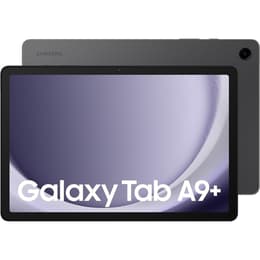
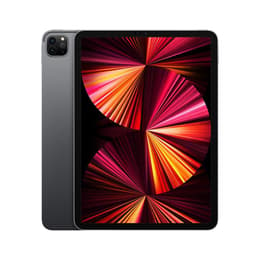
The Samsung Galaxy Tab A9 Plus, released in October 2023, and the Apple iPad Pro M1 Series, launched in May 2021, represent distinct approaches to the tablet experience. While both offer large displays for productivity and entertainment, they differ significantly in their underlying operating systems and hardware capabilities. The Galaxy Tab A9 Plus runs on Android, offering a versatile ecosystem, whereas the iPad Pro M1 Series operates on iPadOS, known for its optimized performance and creative applications. These differences cater to varying user needs, from casual media consumption to demanding professional workflows.
Colour
Storage
When considering the long-term usability of a tablet, factors like software support and physical resilience are key. The Galaxy Tab A9 Plus and the iPad Pro M1 Series offer different longevity prospects.
Year of Release
Compatible with latest Update
OS
The performance of these two tablets varies considerably, impacting how smoothly they handle different tasks, from everyday browsing to intensive applications.
The visual experience on a tablet is largely defined by its display, and here the Galaxy Tab A9 Plus and iPad Pro M1 Series present different technologies and capabilities.
Resolution
Screen type
Pixel density
The camera systems on tablets are often used for video calls, document scanning, and occasional photography, with these two devices offering different capabilities.
Beyond core performance and display, several practical features contribute to the overall user experience of these tablets.
Weight
Width
Height
Depth
Screen size (in)
Network
Carrier compatibility
The Samsung Galaxy Tab A9 Plus and the Apple iPad Pro M1 Series cater to different segments of the tablet market, each with distinct strengths and user profiles.
Users frequently praise the iPad Pro M1 Series for its exceptional processing power, stunning display (especially the 12.9-inch mini-LED), and robust software ecosystem. [3, 11, 14, 17] Its capabilities make it a strong contender for creative professionals, students requiring powerful applications, and users who value a highly responsive and fluid experience. Criticisms often revolve around iPadOS's limitations for certain desktop-class workflows and the reliance on accessories for a laptop-like experience. [3, 11, 17]
The Galaxy Tab A9 Plus is commonly lauded for its large, smooth 90Hz display, good battery life, and overall solid performance for everyday tasks. [16, 21, 30] It is often recommended for media consumption, casual browsing, and light productivity, making it well-suited for families, students with basic needs, or users seeking an entertainment device. Some users note that the 4GB RAM model can be sluggish and that the cameras are basic. [21, 30]
Users prioritizing raw performance, a top-tier visual experience, and a long software support window may prefer the iPad Pro M1 Series. Those seeking a versatile Android tablet for general use, media, and expandable storage, who appreciate a headphone jack, may find the Galaxy Tab A9 Plus well-suited to their needs. Both devices are available as quality-assured refurbished options, providing an eco-friendly alternative for consumers.