

Samsung
Compare models
Differences at a glance
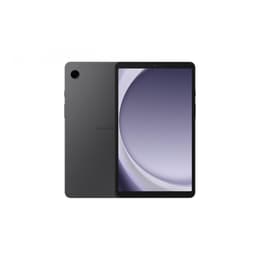
The Samsung Galaxy Tab A9 (2023) and the Apple iPad Air M2 (2024) represent distinct approaches to tablet computing, catering to different user ecosystems and performance expectations. The Galaxy Tab A9, released in October 2023, operates on Android, offering a compact form factor and expandable storage. In contrast, the iPad Air M2, launched in May 2024, runs on iPadOS and features Apple's powerful M2 chip, emphasizing high performance and a premium user experience. These differences extend across their core specifications, influencing how each device handles daily tasks and demanding applications.
Colour
Storage (GB)
When considering the long-term usability of a tablet, factors such as release timeline, software support, and overall build quality play a significant role. The Galaxy Tab A9 and iPad Air M2 offer different longevity prospects based on their respective ecosystems.
Year of Release
OS
The performance capabilities of these two tablets diverge significantly, largely due to their underlying hardware and operating systems, impacting how they handle various tasks from basic browsing to intensive applications.
The visual experience on a tablet is heavily influenced by its display technology, resolution, and refresh rate. The Galaxy Tab A9 and iPad Air M2 offer different screen characteristics that cater to varying user preferences.
Resolution
Screen type
Pixel density
The camera systems on tablets are often designed for utility rather than advanced photography, focusing on video calls, document scanning, and casual captures. The Galaxy Tab A9 and iPad Air M2 reflect these priorities with differing capabilities.
Beyond core performance and display, several practical features contribute to the overall user experience, including connectivity, physical ports, biometric security, and design elements.
Weight
Screen size (in)
Network
Carrier compatibility
The Samsung Galaxy Tab A9 (2023) and the Apple iPad Air M2 (2024) cater to different segments of the tablet market, each with its own set of strengths and considerations based on user feedback and specifications.
Users often praise the Galaxy Tab A9 for its compact size, making it highly portable and convenient for on-the-go media consumption and light tasks. Its expandable storage is a frequently highlighted advantage, allowing users to store a large volume of content without relying solely on internal memory. Criticisms sometimes point to its display resolution and refresh rate, which are standard for its category but do not offer the crispness or fluidity of higher-end tablets. The camera quality is also noted as being basic, suitable for casual use rather than detailed photography.
The iPad Air M2, conversely, receives significant acclaim for its exceptional performance, driven by the M2 chip, which allows for seamless multitasking and the handling of demanding applications. The larger screen options and the improved front-facing camera placement for video calls are also frequently appreciated by users. However, some users express disappointment that the display retains a 60Hz refresh rate and is not an OLED panel, especially when compared to other devices in its ecosystem. There are also occasional reports of the device experiencing heat during prolonged intensive use.
Users prioritizing portability, expandable storage, and a more budget-conscious option for everyday tasks like browsing, reading, and casual media consumption may find the Galaxy Tab A9 well-suited to their needs. It serves as a reliable companion for students or travelers who need a secondary device for basic functions. Conversely, individuals who require robust performance for creative work, advanced productivity, or intensive gaming will likely lean towards the iPad Air M2. Its powerful processor, higher-resolution display, and longer software support make it a strong choice for professionals, artists, or anyone seeking a more premium and future-proof tablet experience. For those considering either device, exploring quality-assured refurbished options can provide an eco-friendly alternative to access these technologies.