Compare models
iPad 10 (2022, A14 series) Vs iPad Air 6 (2024, M2 series)
- 1-year minimum warranty
- Free delivery on all items
- Free 30-day returns
Differences at a glance
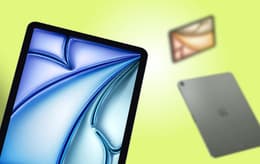
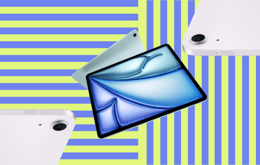
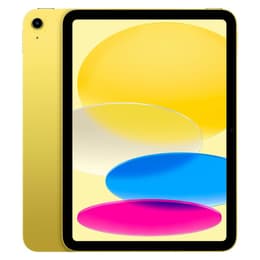
The iPad 10 (2022) and iPad Air 6 (2024) represent two distinct tiers within Apple's tablet lineup, offering versatile computing options for various daily requirements. While both models feature modern flat-edge designs and large touchscreens, they diverge significantly in internal processing power and accessory compatibility. Operating on iPadOS, both tablets deliver a consistent software interface, though their underlying capabilities cater to different operational demands. Understanding these core distinctions helps clarify which device aligns with your specific everyday computing routines.
Available Models
Colour
Storage
Scores
Durability
When evaluating the long-term viability of the iPad 10 (2022) and the iPad Air 6 (2024), software support cycles and hardware durability play central roles in determining overall device longevity.
- Software Support and Updates: The iPad Air 6 benefits from a more recent release year and advanced internal components, positioning it to receive software feature updates for a longer duration than the iPad 10. Both models, however, maintain standard multi-year update schedules typical of Apple hardware.
- Repairability and Build Quality: Both tablets feature rigid aluminum chassis designs that withstand daily travel and handling well. Repairability scores remain comparable across both options, with modular internal components that support standard maintenance through authorized channels.
- Expected Lifespan: Users can anticipate several years of reliable daily performance from either device, though the higher-tier processor in the iPad Air 6 provides additional headroom for demanding future software updates and workflow expansions. Choosing a quality-assured refurbished option provides a sustainable choice that extends the active lifecycle of these durable tablets.
Year of Release
2022
2024
Compatible with latest Update
Yes
Yes
OS
iPadOS
iPadOS
Maximum Operating System supported
iPadOS 18
iPadOS 18
Performance
Processing power and memory handling create the most notable operational divide between the iPad 10 and the iPad Air 6 during everyday multitasking and heavy application usage.
- Processor and Speed: The iPad 10 handles web browsing, streaming, and office applications smoothly with its capable entry-level processor. In contrast, the iPad Air 6 utilizes a desktop-class processor that manages intensive tasks such as video editing, graphic design, and resource-heavy gaming with noticeable fluidity and reduced loading times.
- Storage Configurations: Both devices offer tiered storage options starting from moderate capacities up to larger variants, accommodating varying needs for offline media and large document storage.
- Multitasking and Memory: The iPad Air 6 features higher memory allocations, allowing users to run multiple demanding applications simultaneously in split-screen view without background reloading. The iPad 10 manages standard split-screen workflows adequately, though heavy users switching rapidly between intensive programs may notice occasional pauses.
Processor
Apple A14 Bionic
Apple M2
Screen quality
Visual output and display characteristics influence everything from media consumption to document editing on both of these tablet platforms.
- Display Technology and Clarity: Both models utilize high-resolution liquid crystal displays that deliver sharp text reproduction and accurate color representation for daily tasks. The iPad Air 6 includes an anti-reflective coating and full lamination, which reduces glare under harsh lighting and brings the visual content closer to the outer glass surface.
- Brightness and Outdoor Legibility: Maximum brightness levels on both tablets support comfortable viewing indoors and in shaded outdoor environments, though direct sunlight may require manual brightness adjustments on both screens.
- Size and Refresh Rate: Offering similar screen diagonals around the ten-to-eleven-inch range, both devices provide ample workspace for productivity apps. Neither display supports high refresh rates, maintaining standard motion smoothness suitable for general media playback and scrolling.
Resolution
2360 x 1640
2360 x 1640
True Tone
Yes
Yes
Pro-Motion
No
No
Screen type
Liquid Retina display
Pixel density
264ppp
264ppp
Brightness
500 nits brightness
500 nits brightness
Sound quality
Speakers
Stereo speakers
Stereo speakers (landscape)
Audiovisual
Imaging hardware and audio output capabilities differ moderately between the two models, impacting video calls, casual photography, and media consumption.
- Camera Systems: The iPad 10 features a landscape-oriented front camera positioned for natural video conferencing angles, paired with a reliable single rear camera for document scanning and casual snapshots. The iPad Air 6 matches this practical front camera placement while offering refined rear imaging sensors capable of capturing sharper detail in varied lighting conditions.
- Audio and Speaker Output: Stereo speakers situated on both devices provide clear dialogue and balanced sound output for podcasts and video streaming. Neither model includes a standard headphone jack, requiring wireless Bluetooth headphones or compatible USB-C audio adapters for private listening.
- Microphone Performance: Integrated multi-microphone arrays on both tablets effectively capture voice audio during video calls and voice dictation, minimizing background ambient noise successfully.
Miscellaneous
Practical physical traits, accessory ecosystems, and connectivity options shape how easily each tablet integrates into mobile and desktop workspaces.
- Accessory Compatibility: The iPad 10 supports a specific two-piece keyboard folio with a detachable keyboard, while the iPad Air 6 is compatible with the floating cantilever magnetic keyboard case and supports inductive pairing for advanced stylus models.
- Connectivity and Ports: Both tablets utilize a versatile USB-C port for charging and peripheral connection, alongside support for fast Wi-Fi standards and optional cellular connectivity variants.
- Dimensions and Handling: Maintained within slim and lightweight aluminum profiles, both devices remain easy to pack into bags or hold during extended reading sessions, with minimal differences in overall weight and thickness.
Weight
477 g
462 g
Width
17.95 cm
17.8 cm
Height
24.86 cm
24 cm
Depth
0.7 cm
0.61 cm
Screen size (in)
10.9
11
Network
Wi-Fi
Wi-Fi
Carrier compatibility
Without SIM Port
Without SIM Port
Wi-Fi technology
Wi-Fi 6 802.11ax
Wi-Fi 6E 802.11ax
Bluetooth Version
Bluetooth 5.2
Bluetooth 5.3
Face ID
No
No
Touch ID
Yes
Yes
Connector
USB Type-C
USB Type-C
What the community thinks
User feedback regarding the iPad 10 (2022) frequently highlights its reliable everyday performance, user-friendly landscape camera placement, and suitability for web browsing, media streaming, and educational tasks. Common observations note that while it handles standard productivity well, heavy multitasking can occasionally push its hardware limits. Conversely, owners of the iPad Air 6 (2024) praise its rapid processing speeds, compatibility with advanced accessories, and ability to handle intensive creative workflows without stuttering. Some users mention that unlocking its full performance potential requires software designed for desktop-class hardware.
When deciding between the two devices, user priorities serve as the primary guide. Users prioritizing casual web browsing, media consumption, and general household use may prefer the straightforward capabilities of the iPad 10. Meanwhile, users prioritizing intensive creative applications, extended multitasking headroom, or advanced accessory support may lean toward the iPad Air 6. Exploring an eco-friendly alternative through a quality-assured refurbished option allows buyers to acquire either model while supporting sustainable consumption practices. Ultimately, selecting the right device depends on aligning daily workflow demands with the distinct internal capabilities of each tablet.