

Smartphones
Compare models
Differences at a glance
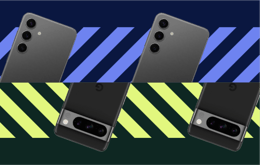
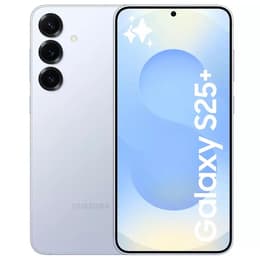
The Samsung Galaxy S25 Plus, a premium smartphone released in early 2025, and the Google Pixel 9A, a mid-range offering launched in April 2025, represent distinct approaches to the Android smartphone experience. Both devices run on the Android operating system, but the Galaxy S25 Plus focuses on high-end hardware and extensive features, while the Pixel 9A emphasizes a streamlined software experience and advanced computational photography for its category. This comparison will highlight their core differences to help users make an informed decision.
Colour
Storage
Both the Galaxy S25 Plus and the Pixel 9A are relatively recent releases, offering robust software support and modern build quality, contributing to a practical lifespan of several years.
Year of Release
OS
Foldable
Performance varies between the two devices, with the Galaxy S25 Plus offering raw power for demanding tasks and the Pixel 9A focusing on optimized efficiency and AI capabilities for a smooth daily experience.
The display experience differs significantly between these two smartphones, with the Galaxy S25 Plus offering a more premium visual experience due to its higher specifications.
Resolution
Both devices offer capable camera systems, but they approach photography with different strengths, reflecting their respective market positions.
Beyond core specifications, several practical elements differentiate the user experience of these two smartphones.
Weight
Screen size (in)
Mobile network
SIM card
Carrier compatibility
Connector
The Samsung Galaxy S25 Plus and the Google Pixel 9A cater to different user priorities, each excelling in specific areas based on user feedback.
The Galaxy S25 Plus is frequently praised for its cutting-edge display, powerful performance, and versatile camera hardware, making it a strong contender for users who demand a top-tier smartphone experience [3, 8, 12, 13, 14, 17, 33]. Users often highlight its smooth operation, excellent battery life, and premium build quality as significant advantages [1, 17, 19, 33]. Some common criticisms, however, include the camera system not always showing significant upgrades year-over-year compared to competitors, and occasional reports of low-light camera performance being inconsistent [1, 12, 18, 32, 33].
The Google Pixel 9A, on the other hand, is often lauded for its exceptional main camera performance, clean Android experience, and strong AI integration, all within a more accessible package [2, 3, 10, 11, 20, 24, 25]. Its impressive battery life is a frequent point of praise, often outperforming even some flagship devices [2, 4, 21, 25, 29]. While its processor provides a smooth daily experience, some users note that it might throttle under sustained heavy loads, and the ultrawide camera has not seen significant improvements over previous generations [10, 21, 22].
Users prioritizing raw processing power, a larger, higher-resolution display, and a comprehensive, versatile camera system with advanced video features may find the Samsung Galaxy S25 Plus well-suited to their needs. Conversely, users who prioritize an outstanding main camera for computational photography, a clean software experience with strong AI features, and exceptional battery life in a slightly more compact form factor may lean toward the Google Pixel 9A. Both devices offer long-term software support, making them excellent candidates as quality-assured refurbished options for those seeking sustainable choices.