Galaxy S25 Vs Galaxy Z Fold6

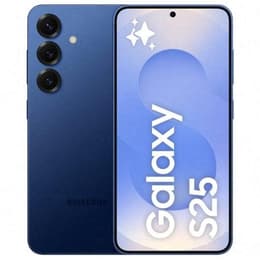
Galaxy S25
Galaxy S25
Starting at

Refurbished price:£435.00

Versus £766.13 new

See options
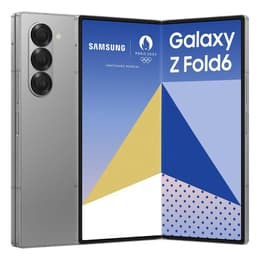
Galaxy Z Fold6
Galaxy Z Fold6
Starting at

Refurbished price:£524.00

Versus £1,685.59 new

See options

Ratings

The Samsung Galaxy S25 (2025) and the Samsung Galaxy Z Fold6 (2024) represent distinct approaches within Samsung's premium smartphone lineup. While the Galaxy S25 offers a traditional, compact smartphone experience, the Galaxy Z Fold6 provides a unique foldable design that transforms from a standard smartphone into a larger, tablet-like display. Both devices run on the Android operating system with Samsung's One UI, offering a consistent software experience, but their form factors cater to different user needs and preferences.

Scores

Durability

The expected practical lifespan of these devices is influenced by their release timelines and Samsung's software support policies.

  • Release Timeline: The Galaxy Z Fold6 was released in July 2024, preceding the Galaxy S25, which launched in February 2025. This difference means the Galaxy S25 benefits from a slightly newer hardware generation and a later starting point for its software support cycle.
  • Software Longevity: Both the Galaxy S25 and the Galaxy Z Fold6 are promised 7 years of operating system and security updates from their respective release dates. This commitment ensures a long period of software relevance and security for users of either device.
  • Physical Durability: The Galaxy S25 features an IP68 rating for water and dust resistance and utilizes Corning Gorilla Glass Victus 2 for screen protection, alongside an Armour Aluminium frame. The Galaxy Z Fold6, with its folding mechanism, has an IP48 rating for water and dust resistance, Corning Gorilla Glass Victus 2 on its cover display and back, and an enhanced Armor Aluminum frame, along with a more durable hinge design. The folding screen introduces a different set of considerations for long-term physical integrity compared to a traditional slab phone.

Year of Release

2025

2024

OS

Android

Android

Foldable

No

Yes

Performance

Both devices are equipped with powerful processors designed to handle demanding tasks, though they feature different generations of Samsung's optimized chipsets.

  • Processing Power: The Galaxy S25 is powered by the Snapdragon 8 Elite for Galaxy (3 nm), while the Galaxy Z Fold6 utilizes the Snapdragon 8 Gen 3 for Galaxy (4 nm). In real-world usage, both processors deliver smooth performance for everyday applications, multitasking, and graphically intensive games. The newer chip in the S25 may offer marginal improvements in efficiency and raw speed, but the difference is often imperceptible during typical use.
  • Multitasking and Responsiveness: Both models come with 12 GB of RAM, enabling efficient multitasking and quick app switching. The Galaxy Z Fold6's larger internal display, however, offers a distinct advantage for running multiple applications side-by-side, providing a more expansive workspace for productivity.
  • Storage Options: The Galaxy S25 is available with 128 GB, 256 GB, or 512 GB of internal storage. The Galaxy Z Fold6 offers larger base storage options, starting at 256 GB and extending to 512 GB or 1 TB, catering to users who require more space for apps, media, and files.
  • Battery Behavior: The Galaxy S25 features a 4,000 mAh battery, providing reliable power for a full day of use, with some tests indicating over 14 hours of video streaming. The Galaxy Z Fold6 has a 4,400 mAh battery. While its capacity is larger, the power consumption of its dual displays, especially the larger inner screen, means that heavy usage can lead to more frequent charging.

Memory (GB)

12 GB

12 GB

Screen quality

The display experience is a primary differentiator between these two devices, offering distinct advantages based on user preferences.

  • Display Technology and Clarity: Both phones feature Dynamic AMOLED 2X displays, known for vibrant colors, deep blacks, and excellent contrast. The Galaxy S25 has a 6.2-inch FHD+ (2340 x 1080) display. The Galaxy Z Fold6 offers a 6.3-inch cover display (2376 x 968) and a large 7.6-inch main folding display (2160 x 1856). The larger, unfolded screen of the Z Fold6 provides a more immersive viewing and multitasking experience.
  • Brightness and Refresh Rate: Both devices offer a 120Hz adaptive refresh rate for smooth scrolling and responsive interactions. The Galaxy Z Fold6's displays can reach a peak brightness of 2,600 nits, providing excellent visibility even in bright outdoor conditions. The Galaxy S25 also offers a sufficiently bright display for outdoor use.
  • Viewing Experience: The Galaxy S25 provides a traditional smartphone screen, ideal for one-handed use and general media consumption. The Galaxy Z Fold6's dual-screen setup allows for a compact phone experience when folded and an expansive tablet-like canvas when unfolded, which is particularly beneficial for content consumption, reading, and productivity tasks.

Resolution

1080x2340

1856 x 2160

Screen type

Dynamic LTPO AMOLED 2X

Foldable Dynamic LTPO AMOLED 2X

Audiovisual

Both the Galaxy S25 and Galaxy Z Fold6 are equipped with versatile camera systems designed to capture high-quality images and videos in various conditions.

  • Rear Camera Systems: The Galaxy S25 features a triple rear camera setup consisting of a 50 MP wide-angle lens, a 12 MP ultra-wide lens, and a 10 MP telephoto lens with 3x optical zoom. The Galaxy Z Fold6 also has a triple rear camera system with a 50 MP wide-angle lens (with OIS), a 12 MP ultra-wide lens (123° field of view), and a 10 MP telephoto lens (3x optical zoom with OIS). Both systems are capable of producing detailed photos with good color reproduction.
  • Photography Performance: For everyday photography, both devices deliver solid results. The Galaxy S25's camera system is considered good for its size, offering good video and portrait capabilities, though it lacks a macrophotography mode. The Galaxy Z Fold6's cameras are noted for very good quality and solid performance across various settings, including improved low-light capabilities.
  • Video Recording and Features: Both phones offer robust video recording capabilities. The Z Fold6's foldable form factor allows for unique shooting angles and the ability to use the cover screen as a viewfinder for subjects.
  • Audio Quality: Both devices provide a good media consumption experience. The Galaxy S25 offers improved speaker sound quality compared to its predecessor. The Galaxy Z Fold6 also delivers a good speaker output for media.

Miscellaneous

Beyond core performance and display, several practical elements differentiate the user experience of these two Samsung smartphones.

  • Connectivity: Both the Galaxy S25 and Galaxy Z Fold6 support 5G connectivity, ensuring fast mobile data speeds. The Galaxy S25 also includes Bluetooth 5.4.
  • Ports and Biometrics: Both devices feature a USB-C port for charging and data transfer. For security, both incorporate fingerprint recognition. The Galaxy Z Fold6 supports S Pen input on its main display, allowing for note-taking and drawing, though the stylus is sold separately and there is no integrated storage.
  • Physical Design and Handling: The Galaxy S25 is a traditional slab phone, weighing 162g and measuring 146.9mm x 70.5mm x 7.2mm, making it a compact and lightweight option that is comfortable for one-handed use. The Galaxy Z Fold6, when folded, measures 153.5mm x 68.1mm x 12.1mm and weighs 239g, making it noticeably thicker and heavier. When unfolded, it becomes a much thinner device at 5.6mm. The Z Fold6's design prioritizes screen real estate over traditional portability.
  • Build Materials: The Galaxy S25 uses Armour Aluminium and Corning Gorilla Glass Victus 2. The Galaxy Z Fold6 features an enhanced Armor Aluminum frame and Corning Gorilla Glass Victus 2 on its exterior.

Weight

162 g

239 g

Screen size (in)

6.2

7.6

Mobile network

5G

5G

SIM card

Physical SIM + eSIM

Dual Physical SIM + eSIM

Carrier compatibility

Unlocked

Unlocked

The Samsung Galaxy S25 and Galaxy Z Fold6 cater to distinct user profiles, each offering a compelling set of features and experiences. User feedback for the Galaxy S25 often highlights its comfortable, lightweight design and excellent battery life for a compact device. It is praised for its responsive display and solid camera system, making it a strong contender for those who prefer a traditional smartphone form factor. Some criticisms point to its iterative design and the camera system, while good, not being groundbreaking compared to some rivals.

The Galaxy Z Fold6 receives praise for its innovative foldable design, which provides a large, immersive display for multitasking and media consumption. Users appreciate its powerful performance and good camera quality. However, common concerns include its heavier weight and thicker profile when folded, and the battery life, while generally good, can deplete faster with extensive use of the larger inner screen.

Users prioritizing a compact, lightweight device with reliable performance and extended software support will find the Galaxy S25 well-suited to their needs. Its traditional design offers a straightforward smartphone experience. Conversely, users who value an expansive screen for productivity, immersive media, and advanced multitasking will lean towards the Galaxy Z Fold6. Its unique folding form factor provides a versatile tool that bridges the gap between a smartphone and a tablet. Both devices offer a long-term commitment to software updates, making them sustainable choices. For those considering either model, exploring quality-assured refurbished options can be an eco-friendly alternative.
See all articles

Our recent comparisons