
Compare models
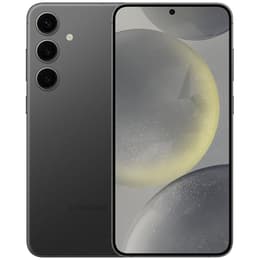
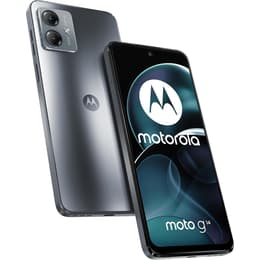
Galaxy S24+ Vs Motorola Moto G14
- 1-year minimum warranty
- Free delivery on all items
- Free 30-day returns
Differences at a glance
The Samsung Galaxy S24 Plus, released in January 2024, and the Motorola Moto G14, launched in August 2023, represent distinct offerings in the smartphone market. While both operate on the Android platform, they cater to different user expectations through their varied approaches to performance, display technology, camera capabilities, and long-term software support.
Available Models
Colour
Storage (GB)
Scores
Durability
The longevity and support for these devices differ significantly, impacting their practical lifespan for users.
- Software Support: The Galaxy S24 Plus benefits from Samsung's commitment to providing seven years of operating system and security updates, extending its software support until 2031. In contrast, the Moto G14 is guaranteed one major Android OS update (to Android 14) and three years of bi-monthly security updates.
- Repairability: The Galaxy S24 Plus generally receives a high repairability score, often rated around 8.0/10 or 9/10, due to features like an easily removable back plate and accessible battery with pull tabs, though screen replacement can be challenging. The Moto G14 has a lower repairability score of 5.0/10, as adhesive use and the need to disassemble multiple components can make repairs more difficult.
- Build Durability: The Galaxy S24 Plus incorporates Corning Gorilla Glass Victus 2 for display protection and an Enhanced Armor Aluminum frame. The Moto G14 features Panda Glass for its display and a water-repellent design with an IP52 rating.
Year of Release
2024
2023
Compatible with latest Update
Yes
Yes
OS
Android
Android
Foldable
No
No
Performance
Performance aspects, including processing power and battery endurance, present a clear distinction between the two smartphones.
- Processing Power: The Galaxy S24 Plus is equipped with a current-generation processor, either the Snapdragon 8 Gen 3 in some regions or the Exynos 2400 in others. This allows it to handle demanding applications, intensive multitasking, and graphic-heavy games with smooth responsiveness. The Moto G14 utilizes an octa-core Unisoc T616 processor, which is suitable for everyday tasks like web browsing and social media, but not designed for high-performance gaming or very demanding applications.
- Memory and Storage: The Galaxy S24 Plus typically comes with 12GB of RAM, facilitating efficient multitasking and keeping numerous apps open in the background without slowdowns. The Moto G14 usually offers 4GB of RAM, with some variants providing 8GB, which is adequate for general use but may show limitations with extensive multitasking.
- Battery Life: The Galaxy S24 Plus houses a 4900 mAh battery, with users frequently reporting it can last over a day and a half with moderate usage. The Moto G14 is equipped with a larger 5000 mAh battery, and users often find it lasts a full day, sometimes extending into a second day with lighter use.
Screen quality
The visual experience offered by each device's display technology varies significantly.
- Display Technology and Resolution: The Galaxy S24 Plus features a 6.7-inch Dynamic AMOLED 2X display with a QHD+ resolution of 3120x1440 pixels. This results in exceptionally sharp images and vibrant colors. The Moto G14 has a 6.5-inch IPS LCD display with an FHD+ resolution of 1080x2400 pixels, providing clear visuals suitable for general content consumption.
- Brightness and Refresh Rate: The Galaxy S24 Plus boasts a high peak brightness of 2600 nits, ensuring excellent visibility even in bright outdoor conditions. It also features an adaptive refresh rate that ranges from 1Hz to 120Hz, contributing to smooth scrolling and responsive interactions. The Moto G14's display offers standard brightness levels and typically operates at a 60Hz refresh rate, which is sufficient for everyday use but does not offer the same fluidity as higher refresh rate panels.
- Viewing Experience: The higher pixel density of the Galaxy S24 Plus (513 PPI) delivers crisp text and detailed images, making it well-suited for high-definition content and detailed work. The Moto G14's pixel density of 405 ppi provides a good viewing experience for media and daily tasks.
Resolution
1440 x 3120
1080 x 2400
Screen type
Dynamic LTPO AMOLED 2X
IPS LCD
Audiovisual
The camera systems on both devices are designed for different photographic needs and expectations.
- Rear Camera System: The Galaxy S24 Plus features a versatile triple-camera setup on the rear, including a 50 MP wide-angle lens, a 12 MP ultrawide lens, and a 10 MP telephoto lens with 3x optical zoom. This configuration allows for a range of photographic styles and detailed zoom capabilities. The Moto G14 comes with a dual-camera system, comprising a 50 MP main sensor and a 2 MP macro lens, focusing on everyday photography and close-up shots.
- Photography Performance: The Galaxy S24 Plus is capable of capturing high-quality photos in various lighting conditions, particularly excelling in daylight, and includes AI-powered editing features for enhanced post-processing. The Moto G14 delivers decent daylight shots, but its low-light performance can be challenging, and overall detail and color reproduction may not match higher-end devices.
- Video and Audio: The Galaxy S24 Plus supports video recording up to 8K resolution, offering high-fidelity video capture. The Moto G14 records videos at up to 1080p resolution at 30 frames per second. Both devices feature stereo speakers, with the Moto G14 specifically mentioning Dolby Atmos support for an enhanced audio experience.
Main camera
50 megapixels
50 megapixels
Front camera
12 megapixels
8 megapixels
Miscellaneous
Beyond core specifications, several practical features contribute to the overall user experience of each phone.
- Connectivity: The Galaxy S24 Plus supports 5G networks, along with advanced Wi-Fi standards like Wi-Fi 6E and Wi-Fi 7, ensuring fast and reliable wireless connections. The Moto G14 offers 4G LTE connectivity and Wi-Fi 802.11 a/b/g/n/ac, suitable for most daily internet needs.
- Ports and Sensors: Both devices utilize a USB-C port for charging and data transfer. The Galaxy S24 Plus features an ultrasonic in-screen fingerprint sensor for biometric authentication. The Moto G14 includes a side-mounted fingerprint sensor and retains a 3.5mm headphone jack, offering traditional audio connectivity.
- Design and Expandability: The Galaxy S24 Plus has a premium build with an Enhanced Armor Aluminum frame. The Moto G14 features a water-repellent design with an IP52 rating and offers expandable storage via a microSD card slot, supporting up to 1TB, a feature not present on the S24 Plus.
Weight
196 g
177 g
Screen size (in)
6.7
6.5
Mobile network
5G
4G
SIM card
Dual Physical SIM + eSIM
Dual Physical SIM
Carrier compatibility
Unlocked
Unlocked
What the community thinks
User feedback indicates that the Samsung Galaxy S24 Plus is frequently praised for its impressive battery life, robust performance, and vibrant, high-resolution display. Some users, particularly those with the Exynos variant, have noted that while gaming performance is generally strong, it might not always match the absolute peak of devices with other chipsets in specific graphically intensive scenarios.
The Motorola Moto G14 is often commended for its long-lasting battery and its camera's ability to capture decent photos in good lighting conditions, especially considering its market segment. Common criticisms sometimes highlight its less powerful processor, which can affect overall responsiveness for demanding applications, and its more limited software update policy. There have also been isolated reports of battery drain issues after certain software updates.
Users prioritizing extended software support, top-tier performance for demanding tasks, and a high-quality display will find the Galaxy S24 Plus well-suited to their needs. Conversely, users who value a long-lasting battery, expandable storage, and a more accessible device for everyday communication and media consumption may lean towards the Moto G14. For those considering either device, exploring quality-assured refurbished options can provide an eco-friendly alternative.