Compare models
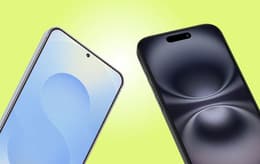
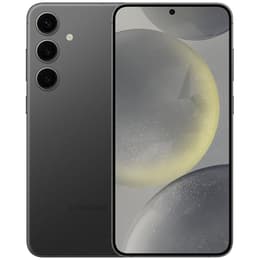
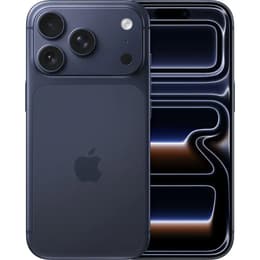
Galaxy S24+ Vs iPhone 17 Pro
- 1-year minimum warranty
- Free delivery on all items
- Free 30-day returns
Differences at a glance
The Samsung Galaxy S24+ (2024) and the Apple iPhone 17 Pro (2025) represent high-tier smartphone engineering from consecutive generations of leading mobile ecosystems. While the Galaxy S24+ runs on the Android operating system with custom interface features, the iPhone 17 Pro operates on iOS, creating a foundational software divide for users. Both devices target individuals seeking rapid performance, advanced photography tools, and large viewable spaces, though they approach everyday usability through distinctly different hardware and software philosophies.
Choosing between these two models involves weighing operating system preferences, display dimensions, and ecosystem integration rather than simple performance superiority. Understanding how each device handles everyday tasks clarifies which model aligns better with specific daily habits and workflow requirements.
Available Models
Colour
Storage
Scores
Durability
Long-term usability depends heavily on software update schedules, physical durability, and repairability frameworks established by each manufacturer.
- Software longevity: Both manufacturers provide extended system updates spanning multiple years, ensuring long-term security and access to new interface features for both models.
- Build durability: The Galaxy S24+ utilizes reinforced aluminum frames with scratch-resistant glass, whereas the iPhone 17 Pro incorporates grade titanium materials alongside advanced ceramic-infused glass protection.
- Repair infrastructure: Both devices benefit from globally established repair networks, though opting for a quality-assured refurbished option from Back Market provides an eco-friendly alternative that extends device life cycles sustainably.
Year of Release
2024
2025
Compatible with latest Update
Yes
Yes
OS
Android
iOS
Foldable
No
No
Performance
System responsiveness and processing capabilities determine how smoothly each smartphone handles intensive multitasking, gaming, and background operations.
- Multitasking and memory: Both models feature ample random-access memory configurations that allow seamless switching between heavy productivity applications, video editing software, and communication tools.
- Everyday responsiveness: Applications launch instantly, animations remain fluid, and demanding graphic-heavy games run without noticeable stuttering or thermal throttling during extended use sessions.
- Power management: Energy efficiency optimizations in both devices allow typical users to navigate a full day of mixed usage, including web browsing, streaming, and messaging, before requiring a recharge.
Screen quality
Visual immersion and display clarity vary between the two devices based on panel technology, maximum brightness capabilities, and physical dimensions.
- Display technology: Both smartphones feature vibrant organic light-emitting diode panels that deliver deep contrast levels, rich color reproduction, and sharp text rendering for comfortable reading.
- Outdoor visibility: High peak brightness capabilities ensure that screens remain easily legible even under direct sunlight, reducing eye strain during outdoor navigation.
- Motion smoothness: High refresh rate support ensures that scrolling through web pages, social media feeds, and system menus appears exceptionally fluid and responsive.
Resolution
1440 x 3120
2622x1206
Screen type
Dynamic LTPO AMOLED 2X
Super Retina XDR
Audiovisual
Capturing memories and consuming media involve distinct sensor setups, audio recording configurations, and integrated speaker systems on each device.
- Camera systems: Both models offer multi-lens rear camera arrays featuring main, ultra-wide, and telephoto capabilities that capture detailed imagery across diverse lighting conditions.
- Video recording: Advanced stabilization systems and high-resolution video capture options allow users to record smooth, professional-grade footage with clear directional audio pickup.
- Media consumption: Stereo speaker setups deliver balanced sound output with clear vocal clarity, enhancing hands-free calls, video playback, and casual music listening sessions.
Main camera
50 megapixels
48 megapixels
Front camera
12 megapixels
18 megapixels
Miscellaneous
Practical daily interactions are shaped by connectivity standards, physical dimensions, biometric security methods, and port configurations.
- Connectivity and ports: Both devices support rapid cellular data connections and modern wireless standards, with the Galaxy S24+ utilizing a universal cable port and the iPhone 17 Pro employing a high-speed reversible connector.
- Biometric security: Users can secure their personal data using responsive facial recognition systems or integrated fingerprint sensors depending on the specific model layout.
- Physical handling: Weight distribution and ergonomic contours influence how comfortably each phone rests in the hand or pocket during long travel days.
Weight
197 g
206 g
Screen size (in)
6.7
6.3
Mobile network
5G
5G
SIM card
Dual Physical SIM + eSIM
Physical SIM + eSIM
Carrier compatibility
Unlocked
Unlocked
Connector
USB-C
USB-C
What the community thinks
User feedback across online communities highlights several key strengths for both devices. Owners of the Galaxy S24+ frequently praise its expansive display estate, intuitive multitasking capabilities, and seamless integration with various accessory ecosystems. Conversely, users favor the iPhone 17 Pro for its refined video recording tools, sturdy titanium construction, and consistent software ecosystem performance over time. Common criticisms for both models generally focus on slippery bare surfaces that necessitate protective cases, as well as the steady increase in physical device dimensions over past generations.
Users prioritizing deep customization, flexible file management, and expansive screen layouts may prefer the Galaxy S24+, while individuals focused on video production quality and long-term ecosystem synergy often lean toward the iPhone 17 Pro. Selecting the right device ultimately depends on personal comfort with specific software interfaces and daily workflow demands. Choosing a quality-assured refurbished option provides a sustainable choice that minimizes environmental impact without compromising on operational reliability.