Galaxy S23 FE Vs iPhone 14 Pro

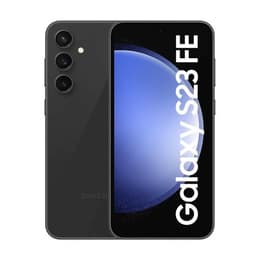
Galaxy S23 FE
Galaxy S23 FE
Starting at

Refurbished price:£180.00

Versus £605.75 new

See options
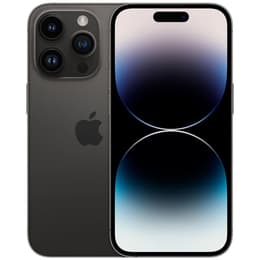
iPhone 14 Pro
iPhone 14 Pro
Starting at

Refurbished price:£304.00

Versus £1,099.00 new

See options

Ratings

The Samsung Galaxy S23 FE (2023) and the Apple iPhone 14 Pro (2022) represent two distinct approaches to high-end mobile technology. While the Galaxy S23 FE aims to provide core flagship experiences in a modern package, the iPhone 14 Pro was launched as a top-tier professional device featuring advanced hardware and software integration. The primary differences lie in their operating systems—Android for the Samsung and iOS for the Apple—and their physical design philosophies. Both devices cater to users seeking reliable, high-performance smartphones that remain relevant several years after their initial release.

Scores

Durability

The Galaxy S23 FE and iPhone 14 Pro offer different expectations for long-term software support and physical resilience over several years.

  • Software Longevity: The iPhone 14 Pro typically receives operating system updates for six to seven years from its launch, ensuring it stays current with the latest features well into the late 2020s. The Galaxy S23 FE follows Samsung's commitment to four generations of Android updates and five years of security support, providing a predictable software lifespan.
  • Build Materials: The iPhone 14 Pro utilises a stainless steel frame and a specialised ceramic-infused glass front, which provides high resistance to scratches and structural impacts. In contrast, the Galaxy S23 FE uses an aluminium frame and standard toughened glass, offering a lighter feel while maintaining a sturdy build suitable for daily use.
  • Repairability: Both manufacturers have improved access to official repair parts, though the internal layout of the Galaxy S23 FE is often cited by technicians as being slightly more accessible for common fixes like battery replacements compared to the more complex internal structure of the iPhone 14 Pro.

Year of Release

2023

2022

Compatible with latest Update

Yes

Yes

OS

Android

iOS

Foldable

No

No

Performance

Everyday responsiveness and multitasking capabilities are handled effectively by both devices, though their internal efficiencies and power management vary.

  • System Responsiveness: The iPhone 14 Pro is known for its highly efficient internal processing, which allows for seamless transitions between demanding applications and smooth video editing. The Galaxy S23 FE provides a responsive experience for gaming and productivity, though it may generate more heat during sustained heavy tasks compared to the more thermally efficient iPhone.
  • Battery Management: While the Galaxy S23 FE features a physically larger battery capacity, the iPhone 14 Pro benefits from deep integration between its hardware and software, often resulting in similar runtimes for standard tasks like web browsing. Heavy users will find that both devices require a daily charge, though the iPhone tends to be more conservative with power during standby periods.
  • Multitasking and Storage: The Galaxy S23 FE offers ample memory for keeping multiple apps open simultaneously, while the iPhone 14 Pro uses a more aggressive memory management system that prioritises the active task. Storage options on the iPhone 14 Pro reach much higher capacities, catering to users who store large amounts of high-resolution media locally.

Memory (GB)

8 GB

6 GB

Screen quality

Display technology is a highlight for both models, offering vibrant colours and smooth motion for media consumption.

  • Display Technology: The iPhone 14 Pro features an advanced OLED panel that can adjust its refresh rate dynamically, allowing for an always-on display that shows the time and notifications with minimal power draw. The Galaxy S23 FE uses a high-quality AMOLED screen that delivers deep blacks and punchy colours, though it lacks the same granular refresh rate control found on the Apple device.
  • Outdoor Visibility: For users who frequently use their phones in direct sunlight, the iPhone 14 Pro offers a higher peak brightness level, making the screen easier to read in bright environments. The Galaxy S23 FE remains very capable outdoors but may require more effort to view in the harshest midday light.
  • Visual Fluidity: Both smartphones support a high refresh rate of 120Hz, which makes scrolling through lists and playing supported games feel incredibly fluid and responsive to touch inputs.

Resolution

1080 x 2340

1179 x 2556

Screen type

Dynamic AMOLED 2X

LTPO Super Retina XDR OLED

Audiovisual

Photography and video capabilities are central to both devices, with each offering a versatile triple-lens setup for various shooting scenarios.

  • Camera Versatility: The iPhone 14 Pro introduced a high-resolution main sensor that captures significant detail, particularly useful for those who like to crop their photos later. The Galaxy S23 FE provides a balanced camera system with a dedicated zoom lens that allows users to get closer to distant subjects without losing significant image clarity.
  • Video Production: Users who prioritise video recording often lean toward the iPhone 14 Pro due to its stable image stabilisation and professional-grade recording formats that allow for extensive post-production editing. The Galaxy S23 FE produces clear, vibrant video suitable for social media and personal memories, with excellent colour reproduction in daylight.
  • Audio Experience: Both devices feature stereo speakers that provide a clear and loud audio experience for watching videos or taking calls. The iPhone 14 Pro tends to offer a slightly fuller sound profile with more noticeable bass, while the Galaxy S23 FE focuses on vocal clarity and crisp high frequencies.

Main camera

50 megapixels

48 megapixels

Front camera

10 megapixels

12 megapixels

Miscellaneous

Practical elements like connectivity and physical handling play a significant role in the daily user experience for both of these smartphones.

  • Connectivity and Ports: The Galaxy S23 FE uses the widely adopted USB-C port, making it compatible with a vast range of universal charging cables and accessories. The iPhone 14 Pro utilises the proprietary Lightning port, which may require specific cables if you are transitioning from non-Apple devices. Both support 5G for fast mobile data speeds.
  • Biometric Security: Security is handled differently on each; the iPhone 14 Pro uses advanced facial recognition that works in various lighting conditions, while the Galaxy S23 FE employs an optical fingerprint sensor located under the display for quick access.
  • Dimensions and Weight: The iPhone 14 Pro is more compact but feels surprisingly dense due to its stainless steel construction. The Galaxy S23 FE is slightly larger and wider, which may appeal to users who prefer more screen real estate, though it might be more challenging to use with one hand for those with smaller hands.

Weight

209 g

206 g

Screen size (in)

6.4

6.1

Mobile network

5G

5G

SIM card

Physical SIM

Physical SIM + eSIM

Carrier compatibility

Unlocked

Unlocked

Choosing between the Galaxy S23 FE and the iPhone 14 Pro often comes down to a preference for the ecosystem and specific hardware priorities. User feedback on community forums suggests that the iPhone 14 Pro is highly praised for its consistent camera performance and the convenience of the Dynamic Island interface feature. However, some users note that its weight can be tiring during long periods of use. The Galaxy S23 FE is frequently commended for providing a premium-feeling display and a versatile camera at a different market position, though some users have mentioned that the battery life can be inconsistent under heavy gaming loads.

Users who prioritise long-term software support, professional video features, and a compact, sturdy build will likely find the iPhone 14 Pro to be the more suitable choice. Conversely, those who prefer a larger screen, the flexibility of the Android operating system, and universal USB-C connectivity may lean toward the Galaxy S23 FE. For those looking to make a more sustainable choice, opting for a quality-assured refurbished option is an excellent way to access these high-end features while reducing environmental impact. Both devices remain powerful contenders in 2026, and choosing a sustainable choice through refurbishment ensures that these capable electronics continue to serve users effectively.
See all articles

Our recent comparisons