Galaxy S21 Ultra 5G Vs iPhone SE (2020)

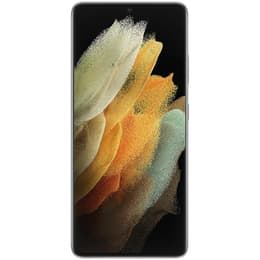
Galaxy S21 Ultra 5G
Galaxy S21 Ultra 5G
Starting at

Refurbished price:£186.00

Versus £1,800.00 new

See options
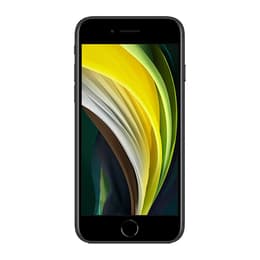
iPhone SE (2020)
iPhone SE (2020)
Starting at

Refurbished price:£67.00

Versus £289.00 new

See options

Ratings

The Samsung Galaxy S21 Ultra 5G, released in early 2021, and the iPhone SE (2nd Generation), launched in 2020, represent two very different approaches to smartphone design. While the Galaxy S21 Ultra was built as a large-screen, feature-rich Android flagship, the iPhone SE 2020 focuses on a compact form factor and the familiar iOS ecosystem. These devices cater to distinct user needs, ranging from professional-grade photography and media consumption to straightforward, one-handed usability and simplicity.

Scores

Durability

When considering how long these devices will remain functional and secure, their release dates and manufacturer support cycles play a crucial role in the decision-making process.

  • Software Support Timeline: The iPhone SE 2020 was released in early 2020 and has benefited from consistent software updates; however, as it ages, it is approaching the end of its guaranteed major update cycle. The Galaxy S21 Ultra, launched in 2021, was part of a commitment to four years of major operating system updates and five years of security patches, meaning it may remain current with security protocols for a similar duration to the iPhone.
  • Build Quality and Repairability: The Galaxy S21 Ultra features a robust glass and metal construction, but its curved screen and complex internal layout can make repairs more intricate. The iPhone SE 2020 uses a traditional, flat design that is generally more straightforward for technicians to service, though it lacks the advanced dust and water resistance ratings found on the newer Samsung model.
  • Long-term Usability: Users can expect both devices to function well for several years, but the Galaxy S21 Ultra's more modern internals provide more performance headroom for future applications. The iPhone SE 2020 remains a reliable choice for basic communication, though its older hardware may start to show signs of slowing down sooner when running the latest software versions.

Year of Release

2021

2020

Compatible with latest Update

Yes

Yes

OS

Android

iOS

Foldable

No

No

Performance

The Galaxy S21 Ultra 5G and the iPhone SE 2020 offer vastly different experiences regarding power management, multitasking capabilities, and overall system responsiveness.

  • Multitasking and Memory: The Galaxy S21 Ultra is designed for heavy workloads, allowing users to keep many apps open simultaneously without the system slowing down or refreshing background tasks. In contrast, the iPhone SE 2020 is better suited for single-tasking and lighter daily use, as its more limited memory capacity may cause background apps to close more frequently during intensive sessions.
  • Battery Endurance: With a significantly larger physical battery, the Galaxy S21 Ultra typically supports a full day of intensive use, including navigation and video streaming. The iPhone SE 2020, featuring a much smaller battery footprint, often requires a mid-afternoon charge for users who frequently engage with social media or video content throughout the day.
  • System Responsiveness: Both devices provide a smooth interface experience, though the Galaxy S21 Ultra feels more fluid during rapid scrolling and transitions. The iPhone SE 2020 remains quick for launching standard applications like mail and messaging, maintaining a consistent speed that many users find reliable for essential daily tasks.

Memory (GB)

12 GB

3 GB

Screen quality

The visual experience is perhaps the most immediate difference between these two smartphones, impacting everything from reading text to watching videos.

  • Display Technology: The Galaxy S21 Ultra uses an advanced organic light-emitting diode panel, which produces deep blacks and high contrast by turning off individual pixels. The iPhone SE 2020 features a traditional liquid crystal display that provides accurate colours and good visibility but cannot achieve the same level of contrast or energy efficiency as the newer technology.
  • Smoothness and Refresh Rate: A key feature of the Galaxy S21 Ultra is its high refresh rate, which makes animations, scrolling, and gaming appear exceptionally smooth. The iPhone SE 2020 operates at a standard refresh rate, which is functional and familiar but lacks the fluid visual sensation found on the more modern Samsung display.
  • Size and Clarity: With a massive 6.8-inch screen and high pixel density, the Galaxy S21 Ultra is ideal for watching films or editing documents. The iPhone SE 2020 has a much smaller 4.7-inch screen, which is sufficient for reading texts and quick browsing but may feel cramped for users who consume a lot of visual media.

Resolution

1440 x 3200

750 x 1334

Screen type

Dynamic AMOLED 2X

Retina IPS LCD

Audiovisual

Photography enthusiasts will find a significant divergence in the hardware and software processing styles between these two smartphones.

  • Lens Versatility: The Galaxy S21 Ultra features a complex array of four rear lenses, including two dedicated zoom cameras that allow for clear photos of distant subjects. The iPhone SE 2020 utilises a single rear lens that focuses on simplicity, delivering consistent and natural-looking photos in well-lit environments without the complexity of multiple focal lengths.
  • Low-Light Performance: For evening or indoor photography, the Galaxy S21 Ultra employs advanced sensors that capture more light, resulting in brighter images with less grain. The iPhone SE 2020 performs well in daylight but may struggle to maintain detail and clarity in very dark settings, as it lacks the specialised night-mode processing found in more advanced models.
  • Video and Audio Capture: Both devices are capable of high-quality video recording, but the Galaxy S21 Ultra offers higher resolution options and more advanced stabilisation for moving shots. The iPhone SE 2020 provides very stable video with excellent colour accuracy, making it a reliable choice for quick clips and video calls where a natural look is preferred.

Main camera

108 megapixels

12 megapixels

Front camera

40 megapixels

7 megapixels

Miscellaneous

Beyond the core specifications, the physical design and connectivity options define how these devices integrate into a user's daily routine.

  • Connectivity and Network Speed: The Galaxy S21 Ultra supports 5G networks, providing faster data speeds and better performance in crowded areas where the infrastructure is available. The iPhone SE 2020 is limited to 4G LTE, which remains perfectly functional for standard browsing and streaming but lacks the future-ready speeds of the newer network standard.
  • Biometrics and Security: Security is handled differently on each device; the Galaxy S21 Ultra uses a fingerprint sensor hidden beneath the display for a modern feel, while the iPhone SE 2020 retains the classic Home button with a physical fingerprint sensor. Users who prefer tactile feedback and a familiar navigation button often find the iPhone SE's design more intuitive.
  • Physical Handling: The Galaxy S21 Ultra is a substantial device that often requires two hands for comfortable operation, whereas the iPhone SE 2020 is one of the most compact smartphones available, easily fitting into small pockets and allowing for effortless one-handed use.

Weight

227 g

148 g

Screen size (in)

6.8

4.7

Mobile network

5G

4G

SIM card

Dual Physical SIM + eSIM

Physical SIM + eSIM

Carrier compatibility

Unlocked

Unlocked

Connector

USB-C

Lightning

User feedback from various online communities highlights the distinct appeal of both devices. The Galaxy S21 Ultra 5G is frequently praised for its expansive, high-quality display and the versatility of its camera system, which many users find indispensable for travel and creative work. However, some users note that its large size can be cumbersome for daily carry. On the other hand, the iPhone SE 2020 receives significant appreciation for its compact size and the reliability of the iOS ecosystem. Common criticisms for the iPhone SE often centre on its shorter battery life and the dated appearance of its large screen borders, which some feel limits the modern smartphone experience.

Choosing between these two depends largely on individual priorities. Users who prioritise media consumption, high-end photography, and a large workspace will find the Galaxy S21 Ultra 5G aligns well with their needs. Conversely, those who prefer a small, lightweight device for essential communication and value the simplicity of a physical home button may lean toward the iPhone SE 2020. Both models remain viable as an eco-friendly alternative for those looking to reduce their environmental impact. Selecting a quality-assured refurbished option allows users to access these features while supporting a circular economy. Ultimately, the decision rests on whether one values the expansive capabilities of a modern flagship or the straightforward, compact nature of a classic design.
See all articles

Our recent comparisons