Compare models
Galaxy S21 Ultra 5G Vs iPhone 14
- 1-year minimum warranty
- Free delivery on all items
- Free 30-day returns
Differences at a glance
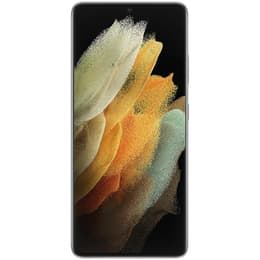
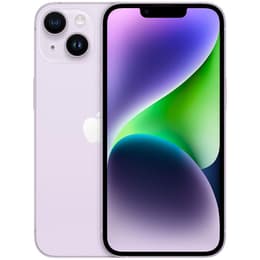
The Samsung Galaxy S21 Ultra 5G, released in early 2021, and the Apple iPhone 14, launched in late 2022, represent two distinct approaches to the flagship smartphone experience. While the Galaxy S21 Ultra focuses on a large-scale display and versatile camera hardware, the iPhone 14 offers a more compact design with a focus on software efficiency and long-term reliability. These devices run on Android and iOS respectively, offering different ecosystems for users to navigate. Choosing between them often comes down to a preference for screen size versus software longevity.
Despite being from different generations, both phones remain highly relevant for modern users. The Galaxy S21 Ultra was designed as a high-end powerhouse with every possible feature included, whereas the iPhone 14 was built as a reliable, streamlined device for the general consumer. Understanding the practical differences in their daily operation is key to deciding which one fits your lifestyle best.
Available Models
Colour
Storage (GB)
Scores
Durability
The release dates of these two devices play a significant role in their expected lifespan and software support cycles.
- Software Longevity: The iPhone 14, being a newer release from 2022, is expected to receive operating system updates for several years longer than the Galaxy S21 Ultra, which debuted in 2021.
- Update Frequency: While Samsung has improved its update policy, Apple typically provides more consistent and longer-term support, meaning the iPhone 14 will likely remain compatible with the latest apps for a more extended period.
- Physical Resilience: Both phones feature robust glass and metal constructions, but the iPhone 14 introduced internal design changes that make certain repairs, like back glass replacement, more straightforward compared to the more complex assembly of the S21 Ultra.
Year of Release
2021
2022
Compatible with latest Update
Yes
Yes
OS
Android
iOS
Foldable
No
No
Performance
Despite their different ages, both smartphones provide a responsive experience for modern applications and multitasking.
- System Responsiveness: The Galaxy S21 Ultra utilizes a high amount of memory to handle multiple open apps and intensive tasks, while the iPhone 14 relies on highly optimized software to maintain smooth performance even with less hardware memory.
- Battery Endurance: Users will find that the Galaxy S21 Ultra’s large battery is designed to power its massive screen through a full day, whereas the iPhone 14 manages power efficiently to provide reliable battery life in a much smaller frame.
- Storage and Multitasking: Both devices offer various storage capacities to house photos and videos, though the Galaxy model is often preferred by those who keep many background apps running simultaneously due to its hardware configuration.
Screen quality
The viewing experience is one of the most immediate differences between these two handsets, catering to different visual preferences.
- Display Fluidity: The Galaxy S21 Ultra features a high refresh rate that makes scrolling through social media and navigating menus feel exceptionally smooth, a feature that is absent on the standard iPhone 14.
- Size and Clarity: With a significantly larger and higher-resolution screen, the Galaxy S21 Ultra is better suited for watching high-definition videos, while the iPhone 14 offers a sharp, clear display that is easier to use with one hand.
- Outdoor Visibility: Both screens are designed to be bright enough for use in direct sunlight, though the Galaxy's display technology often provides deeper blacks and more saturated colors for a more immersive media experience.
Resolution
1440 x 3200
1170 x 2532
Screen type
Dynamic AMOLED 2X
Super Retina XDR OLED
Audiovisual
Photography and video capabilities are central to both devices, though they excel in different areas of content creation.
- Zoom Capabilities: The Galaxy S21 Ultra is equipped with a sophisticated lens system that allows for clear photos from great distances, making it a favorite for nature or sports photography.
- Video Consistency: The iPhone 14 is widely recognized for its stable and natural-looking video recording, providing a consistent look across different lighting conditions that many social media creators prefer.
- Audio Experience: Both devices feature stereo speakers that provide clear audio for calls and media, though the larger body of the Galaxy S21 Ultra allows for a slightly more resonant sound during music playback.
Main camera
108 megapixels
12 megapixels
Front camera
40 megapixels
12 megapixels
Miscellaneous
Practical daily usage is influenced by the physical design and the specific hardware features each manufacturer includes.
- Biometric Security: The Galaxy S21 Ultra uses a fingerprint sensor hidden under the glass for quick access, while the iPhone 14 uses facial recognition technology that works even in low-light environments.
- Connectivity and Ports: The iPhone 14 uses a proprietary charging port and supports magnetic accessories, whereas the Galaxy S21 Ultra uses the more universal USB-C standard and supports a digital stylus for note-taking.
- Handling and Weight: Because of its large screen and battery, the Galaxy S21 Ultra is considerably heavier and larger, which may be a factor for users who prefer the lightweight and pocket-friendly dimensions of the iPhone 14.
Weight
227 g
172 g
Screen size (in)
6.8
6.1
Mobile network
5G
5G
SIM card
Dual Physical SIM + eSIM
Physical SIM + eSIM
Carrier compatibility
Unlocked
Unlocked
Connector
USB-C
Lightning
What the community thinks
User feedback from various online communities highlights the distinct strengths of each device. The Galaxy S21 Ultra is frequently praised for its versatile camera system and its expansive, smooth display, which remains a high point for media enthusiasts. However, some users note that its large size can be cumbersome for daily carry. On the other hand, the iPhone 14 receives consistent praise for its reliable performance, ease of use, and the quality of its video recording, though some users express a desire for the faster screen refresh rates found on other models.
Users who prioritize a large-screen experience for gaming or watching movies, along with the ability to take high-quality zoom photos, may find the Galaxy S21 Ultra to be the better fit. Conversely, users who prefer a compact, lightweight device that will receive software updates for many years to come may lean toward the iPhone 14. For those looking to make a sustainable choice, a quality-assured refurbished option for either model provides a way to access these features while reducing environmental impact.
Ultimately, both phones remain highly capable choices in 2026, with the decision resting on whether you value the hardware versatility of the Galaxy or the long-term software stability of the iPhone. Choosing an eco-friendly alternative through refurbishment ensures that these high-performing devices continue to serve users well into the future while supporting a more circular economy.