
Galaxy S21 5G Vs Google Pixel 9

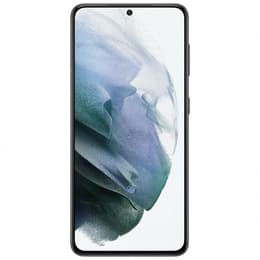
Galaxy S21 5G
Galaxy S21 5G
Starting at

Refurbished price:£133.00

Versus £829.00 new

See options
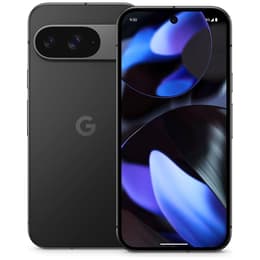
Google Pixel 9
Google Pixel 9
Starting at

Refurbished price:£330.00

Versus £892.46 new

See options

Ratings

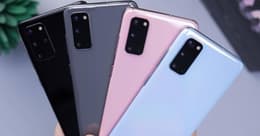
The Samsung Galaxy S21 5G, released in early 2021, and the Google Pixel 9, launched in late 2024, represent different generations of flagship Android smartphones. While both offer a premium experience, the Pixel 9 benefits from several years of technological advancements, particularly in processing power, camera capabilities, and long-term software support. Both devices run on the Android operating system, but their approaches to software updates and user experience differ significantly due to their respective release timelines.

Scores

Durability

When considering the practical lifespan, the age difference between these two models is a primary factor.

  • Software Updates: The Galaxy S21 5G, having been released in 2021, has concluded its major Android OS update cycle and is no longer receiving security updates as of early 2026. In contrast, the Google Pixel 9, released in 2024, is expected to receive major OS and security updates for approximately seven years from its launch, ensuring long-term software longevity and access to the latest features.
  • Practical Lifespan: For users prioritizing current software and security, the Pixel 9 offers a significantly longer practical lifespan. The S21 5G, while still functional, will operate on an older, unsupported version of Android, which can pose security risks and compatibility issues with newer applications over time.
  • Repairability: Both devices generally offer moderate repairability, with common components being replaceable by skilled technicians. However, the availability of parts for the older S21 5G may become more limited compared to the more recent Pixel 9.

Year of Release

2021

2024

Compatible with latest Update

Yes

Yes

OS

Android

Android

Foldable

No

No

Performance

The performance gap between these two devices is notable, reflecting the advancements in mobile processing technology over several years.

  • Everyday Tasks: The Galaxy S21 5G handles everyday tasks like browsing, social media, and light gaming smoothly. However, the Pixel 9, with its more current-generation processor, offers a noticeably snappier and more responsive experience across all applications.
  • Demanding Applications: For intensive tasks such as advanced mobile gaming, video editing, or complex AI-driven applications, the Pixel 9 provides significantly faster processing speeds and better thermal management, allowing for sustained performance without slowdowns.
  • Multitasking: Both devices offer ample RAM for efficient multitasking. However, the Pixel 9's more powerful processor and optimized software contribute to a smoother transition between apps and quicker loading times, especially when many applications are open simultaneously.

Memory (GB)

8 GB

12 GB

Screen quality

Both smartphones feature high-quality displays, but the Pixel 9 incorporates more recent display technology.

  • Display Technology: The Galaxy S21 5G features a Dynamic AMOLED 2X display, known for its vibrant colors and deep blacks. The Google Pixel 9 also uses an advanced OLED panel, which typically offers superior brightness, color accuracy, and contrast ratios compared to older generations.
  • Resolution and Clarity: Both devices provide sharp and clear visuals suitable for reading, browsing, and media consumption, with resolutions that ensure individual pixels are not discernible at typical viewing distances.
  • Brightness and Refresh Rate: The Pixel 9's display generally achieves higher peak brightness, improving visibility in direct sunlight. While the S21 5G offers a smooth 120Hz refresh rate, the Pixel 9 may feature an adaptive refresh rate that can dynamically adjust for even smoother scrolling and better power efficiency.

Resolution

1080 x 2400

1080 x 2424

Screen type

Dynamic AMOLED 2X

OLED

Audiovisual

Camera performance is a key differentiator, with Google's computational photography often setting a high standard.

  • Everyday Photography: The Galaxy S21 5G captures detailed and colorful photos in good lighting conditions with its versatile triple-camera setup. The Pixel 9, however, leverages Google's latest computational photography algorithms and newer sensor technology to produce consistently excellent results, often with superior dynamic range and natural color reproduction.
  • Low-Light Performance: The Pixel 9 excels in low-light environments, capturing brighter, more detailed images with less noise compared to the S21 5G, thanks to its advanced night mode processing.
  • Video Recording: Both phones are capable of recording high-quality video. The Pixel 9 typically offers more advanced video stabilization, improved audio capture, and potentially more sophisticated video features, making it a stronger choice for videography.
  • Front Camera: The Pixel 9's front-facing camera generally provides sharper images and better video call quality, benefiting from newer sensor technology and improved image processing.

Main camera

12 megapixels

50 megapixels

Front camera

10 megapixels

10.5 megapixels

Miscellaneous

Beyond core features, several practical elements distinguish these two devices.

  • Connectivity: Both phones support 5G connectivity for fast mobile data. However, the Pixel 9 includes newer Wi-Fi standards (likely Wi-Fi 7) and a more recent Bluetooth version, offering faster and more reliable wireless connections compared to the S21 5G's Wi-Fi 6 and older Bluetooth.
  • Port Type: Both devices utilize a USB-C port for charging and data transfer. Neither includes a traditional 3.5mm headphone jack, requiring wireless headphones or an adapter.
  • Biometric Security: The Galaxy S21 5G features an ultrasonic in-display fingerprint sensor. The Pixel 9 typically uses an optical in-display fingerprint sensor, often complemented by secure face unlock capabilities for convenient and robust security.
  • Build Materials and Handling: The S21 5G features a plastic back, which can be more durable against drops than glass, alongside an aluminum frame. The Pixel 9 typically uses a glass back and aluminum frame, offering a more premium feel. Both are IP68 rated for dust and water resistance.

Weight

169 g

198 g

Width

7.12 cm

7.198 cm

Height

15.17 cm

15.283 cm

Depth

0.79 cm

8.54 cm

Screen size (in)

6.2

6.3

Mobile network

5G

5G

SIM card

Dual Physical SIM + eSIM

Physical SIM + eSIM

Carrier compatibility

Unlocked

Unlocked

Choosing between the Galaxy S21 5G and the Google Pixel 9 largely depends on your priorities regarding software longevity, performance, and camera capabilities in the current technological landscape. Users who prioritize long-term software support, cutting-edge performance for demanding applications, and Google's latest computational photography will find the Pixel 9 to be the more suitable option. Its newer hardware and extended update policy ensure it remains current and secure for many years.

Conversely, the Galaxy S21 5G, while still a capable device for basic smartphone functions, is now an older model that no longer receives software or security updates. It might appeal to users seeking a very budget-friendly option for light use, but its practical lifespan for modern applications is limited. Users who value the latest features and security will lean towards the Pixel 9. For those considering either device, exploring quality-assured refurbished options can be an eco-friendly alternative to extend the life cycle of electronics and make an informed, sustainable choice.


See all articles

Our recent comparisons