Compare models

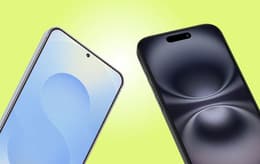
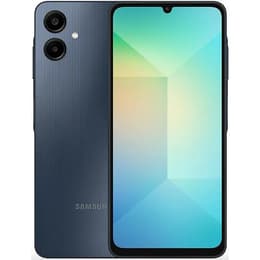
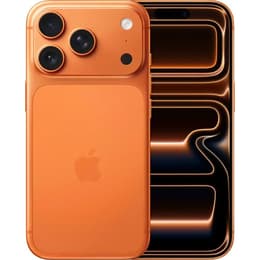
Galaxy A06 Vs iPhone 17 Pro

  • 1-year minimum warranty
  • Free delivery on all items
  • Free 30-day returns
Galaxy A06
Starting at

Refurbished price:£96.99

Versus £158.08 new

See options
iPhone 17 Pro
Starting at

Refurbished price:£813.00

Versus £1,099.00 new

See options

Differences at a glance

The Samsung Galaxy A06 (2024) and the iPhone 17 Pro (2025) represent entirely different tiers of the smartphone market, catering to vastly distinct user expectations. While the Galaxy A06 focuses on providing essential daily communication tools within the Android operating system, the iPhone 17 Pro operates on iOS and delivers advanced processing capabilities and high-end multimedia features. Understanding their fundamental differences helps users determine which device aligns best with their everyday requirements.

Available Models

Colour

Storage

Scores

Durability

When examining longevity and durability, both devices offer different timelines for software support and build resilience over years of daily handling.

  • Software longevity: The iPhone 17 Pro receives extended software updates over many years, whereas the Galaxy A06 follows a shorter support window typical of entry-level mobile devices.
  • Repairability and build: Both models utilize standard modern construction methods, though higher-tier devices often feature specialized materials that impact repair complexity.
  • Expected lifespan: Users who keep devices for multiple years will find that the processing headroom of the iPhone 17 Pro maintains long-term responsiveness, while the Galaxy A06 suits shorter upgrade cycles.

Year of Release

2024

2025

Compatible with latest Update

Yes

Yes

OS

Android

iOS

Foldable

No

No

Performance

Performance and multitasking capabilities vary significantly between these two models based on their internal hardware architecture and memory configuration.

  • Multitasking and responsiveness: The iPhone 17 Pro handles intensive applications, heavy gaming, and rapid background task-switching smoothly, while the Galaxy A06 manages basic tasks like messaging and web browsing effectively.
  • Battery behavior: The Galaxy A06 features a power-efficient screen and processor setup that sustains standard daily use, whereas the iPhone 17 Pro balances heavy power demands with optimized energy consumption.
  • Storage capacity: Internal storage configurations differ widely, with the iPhone 17 Pro offering high-tier space options for large media libraries alongside cloud integration.

Screen quality

Display technologies vary greatly, influencing outdoor visibility, media consumption comfort, and overall visual clarity during daily tasks.

  • Display technology: The iPhone 17 Pro utilizes a high-refresh-rate OLED panel with deep contrast and vibrant colors, while the Galaxy A06 employs a standard LCD panel suited for basic viewing.
  • Brightness levels: Outdoor visibility is higher on the iPhone 17 Pro due to peak luminance capabilities, whereas the Galaxy A06 requires shade in direct sunlight.
  • Visual smoothness: Scrolling and motion appear more fluid on the iPhone 17 Pro thanks to advanced refresh rate technology, while the Galaxy A06 provides a standard viewing rate.

Resolution

720 x 1600

2622x1206

Screen type

PLS LCD

Super Retina XDR

Audiovisual

Multimedia capture and audio output capabilities reflect the distinct market segments and engineering priorities of each device.

  • Camera systems: The iPhone 17 Pro incorporates a versatile multi-lens setup with advanced low-light processing and high-resolution video features, whereas the Galaxy A06 provides a basic dual-lens system for everyday snapshots.
  • Audio output: Speaker quality on the iPhone 17 Pro delivers rich stereo sound for media consumption, while the Galaxy A06 offers standard mono or basic stereo sound output suitable for calls and casual listening.
  • Video recording: Professional-grade stabilization and cinematic recording modes are present on the iPhone 17 Pro, contrasting with the straightforward recording options on the Galaxy A06.

Main camera

50 megapixels

48 megapixels

Front camera

8 megapixels

18 megapixels

Miscellaneous

Connectivity standards, physical dimensions, and security sensors shape the practical day-to-day handling experience of each smartphone.

  • Connectivity standards: The iPhone 17 Pro supports the latest Wi-Fi standards and 5G bands, while the Galaxy A06 covers essential cellular and wireless connectivity options.
  • Physical design: Dimensions and weights differ, with the Galaxy A06 offering a lightweight plastic build and the iPhone 17 Pro featuring a heavier, rigid chassis.
  • Security features: Biometric authentication relies on facial recognition for the iPhone 17 Pro, while the Galaxy A06 utilizes a side-mounted fingerprint sensor.

Weight

189 g

206 g

Screen size (in)

6.7

6.3

Mobile network

4G

5G

SIM card

Dual Physical SIM

Physical SIM + eSIM

Carrier compatibility

Unlocked

Unlocked

Connector

USB-C + Jack 3.5mm

USB-C

What the community thinks

Community discussions and user feedback indicate distinct patterns of satisfaction for each device. Users frequently praise the Galaxy A06 for fulfilling basic communication needs reliably without unnecessary complexity. Conversely, owners of the iPhone 17 Pro highlight its expansive multimedia capabilities and dependable long-term responsiveness during demanding tasks. Common criticisms for the entry-level model focus on restricted graphics performance in games, while high-end device discussions occasionally mention the heavier physical weight during prolonged one-handed use.

Users prioritizing straightforward messaging, calls, and simple web browsing will find the Galaxy A06 well-suited to their daily habits. Meanwhile, users prioritizing advanced photography, high-end mobile gaming, and extended software lifespans may lean toward the iPhone 17 Pro. For those seeking a quality-assured refurbished option, exploring certified sustainable choices provides an eco-friendly path to acquiring advanced mobile technology without compromising on performance standards.


Our recent comparisons