
Galaxy S21 5G Vs Google Pixel 8 Pro

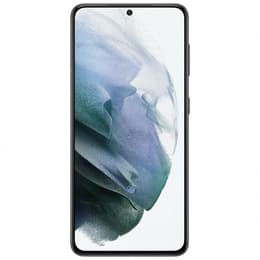
Galaxy S21 5G
Galaxy S21 5G
Starting at

Refurbished price:£133.00

Versus £829.00 new

See options
Google Pixel 8 Pro
Google Pixel 8 Pro
Starting at

Refurbished price:£253.00

Versus £960.91 new

See options

Ratings

The Samsung Galaxy S21 5G, released in early 2021, and the Google Pixel 8 Pro, launched in late 2023, represent two different eras of the Android flagship experience. While the Galaxy S21 was designed as a compact and efficient daily companion, the Pixel 8 Pro arrived as a large-format device focused on integrated artificial intelligence and advanced photography. Both devices run the Android operating system, though they offer distinct user interfaces: Samsung’s feature-rich environment contrasts with Google’s streamlined and helpful software approach.

Choosing between these two involves weighing the benefits of a smaller, established device against a newer, more expansive handset with a longer future of software support. This comparison explores how these differences impact daily use, from screen clarity to long-term reliability, helping you decide which model aligns with your specific needs and lifestyle.

Scores

Durability

The age gap between these two devices significantly influences their expected lifespan and the duration of software support they will receive from their respective manufacturers.

  • Software Longevity: The Galaxy S21 5G is approaching the later stages of its official update cycle, having been released in 2021. In contrast, the Pixel 8 Pro benefits from a commitment to seven years of operating system and security updates, ensuring it remains current until 2030.
  • Physical Resilience: The Galaxy S21 features a reinforced polycarbonate back which is less prone to shattering than the glass back found on the Pixel 8 Pro. However, both devices are rated for high water and dust resistance, providing peace of mind against accidental spills or exposure to the elements.
  • Sustainable Maintenance: Choosing a quality-assured refurbished option for either model can extend the functional life of these electronics while reducing environmental impact. Both brands have established repair networks, though the Pixel 8 Pro’s newer components may be more readily available in the coming years.

Year of Release

2021

2023

Compatible with latest Update

Yes

Yes

Foldable

No

No

Performance

While both smartphones handle everyday tasks with ease, the newer hardware in the Pixel 8 Pro provides more headroom for demanding applications and multitasking.

  • System Responsiveness: The Galaxy S21 remains responsive for standard browsing, social media, and messaging. However, the Pixel 8 Pro features more memory, which allows it to keep more apps open in the background without needing to reload them, resulting in a smoother experience for power users.
  • Battery Endurance: With a larger internal capacity, the Pixel 8 Pro is better suited for long days of heavy use, including navigation and video streaming. The Galaxy S21 has a smaller battery designed for its compact frame, which typically requires a mid-day charge for users who are constantly on their devices.
  • Task Processing: The Pixel 8 Pro utilises specialised hardware designed to accelerate voice-to-text, live translation, and photo editing. The Galaxy S21 provides a reliable, traditional performance profile that is well-suited for users who do not require advanced on-device processing features.

Memory (GB)

8 GB

12 GB

Screen quality

The viewing experience differs greatly between these models, primarily due to their physical size and the evolution of display technology over the two-year gap.

  • Display Dimensions: The Galaxy S21 offers a 6.2-inch display that is easy to navigate with one hand. The Pixel 8 Pro features a much larger 6.7-inch screen, providing a more immersive canvas for watching videos, reading long articles, or editing documents.
  • Outdoor Visibility: The Pixel 8 Pro uses a high-brightness panel that remains clear even under direct sunlight. While the Galaxy S21 is bright enough for most conditions, users may find it slightly more difficult to view in very bright outdoor environments compared to the newer Google model.
  • Visual Fluidity: Both devices support a 120Hz refresh rate, which makes scrolling through menus and animations appear very smooth. The Pixel 8 Pro uses more advanced technology to adjust this rate dynamically, which helps manage power consumption more effectively than the fixed steps on the older Galaxy model.
  • Resolution and Detail: The Pixel 8 Pro provides a higher pixel density, resulting in sharper text and finer details in high-resolution images, whereas the Galaxy S21 prioritises a standard high-definition balance that conserves battery.

Resolution

1080 x 2400

1344 x 2992

Screen type

Dynamic AMOLED 2X

LTPO OLED

Audiovisual

Photography is a major differentiator, with the Pixel 8 Pro leveraging newer sensors and sophisticated software to capture images in challenging conditions.

  • Zoom Capabilities: The Pixel 8 Pro features a dedicated telephoto lens with 5x optical zoom, allowing for clear photos of distant subjects. The Galaxy S21 uses a high-resolution sensor to achieve a similar effect through cropping, which works well for moderate distances but loses detail at higher magnifications.
  • Low-Light Performance: Google’s focus on night photography allows the Pixel 8 Pro to capture bright, balanced images in very dark settings with minimal grain. The Galaxy S21 performs admirably in evening light but may struggle with fine detail and noise in truly dark environments.
  • Video and Audio: Both devices record high-quality video, but the Pixel 8 Pro includes advanced microphones and software that can reduce background noise from recordings. The Galaxy S21 offers a reliable video experience with stable footage that is more than sufficient for social sharing and personal memories.

Main camera

12 megapixels

50 megapixels

Front camera

10 megapixels

10.5 megapixels

Miscellaneous

Practical considerations like physical handling and connectivity play a significant role in how these devices feel during daily interactions.

  • Ergonomics and Weight: The Galaxy S21 is notably lighter and narrower, making it a preferred choice for those who find modern smartphones too bulky. The Pixel 8 Pro is a substantial device that usually requires two hands for comfortable operation but offers a more premium feel with its glass and metal construction.
  • Biometric Security: Samsung uses an ultrasonic fingerprint sensor that works quickly even if fingers are slightly damp. The Pixel 8 Pro uses an optical sensor and an advanced face recognition system that is secure enough for banking apps, offering multiple ways to unlock the device.
  • Connectivity Standards: Both phones support 5G for fast mobile data, but the Pixel 8 Pro includes support for newer Wi-Fi standards, which can provide more stable connections in crowded areas with compatible routers.

Weight

169 g

213 g

Screen size (in)

6.2

6.7

Mobile network

5G

5G

SIM card

Dual Physical SIM + eSIM

Physical SIM + eSIM

Carrier compatibility

Unlocked

Unlocked

In summary, the choice between the Samsung Galaxy S21 5G and the Google Pixel 8 Pro depends largely on your priorities regarding size, software longevity, and photographic capabilities. User discussions on platforms like Reddit often highlight the Galaxy S21 for its comfortable, pocketable design and reliable performance, though some note that its battery life is modest by modern standards. Conversely, the Pixel 8 Pro receives praise for its exceptional camera system and the helpfulness of its integrated AI features, while some users mention its large size can be a hurdle for those with smaller hands.

Users who prioritise a compact form factor and a straightforward interface may find the Galaxy S21 5G perfectly suited to their needs. Those who desire the latest in camera technology, a large screen for media consumption, and the security of many years of software updates will likely lean toward the Pixel 8 Pro. Opting for an eco-friendly alternative like a refurbished model allows you to access these high-end features while supporting a more circular economy. Ultimately, both devices remain capable choices that serve different user profiles effectively without compromising on the core smartphone experience.


See all articles

Our recent comparisons