Compare models

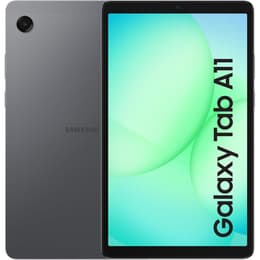
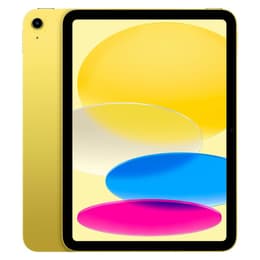
Galaxy Tab A11 (8.7", 2025) Vs iPad 10 (2022, A14 series)

  • 1-year minimum warranty
  • Free delivery on all items
  • Free 30-day returns
Galaxy Tab A11 (8.7", 2025)
Starting at

Refurbished price:£109.99

Versus £224.77 new

See options
iPad 10 (2022, A14 series)
Starting at

Refurbished price:£340.00

Versus £499.00 new

See options

Differences at a glance

The Samsung Galaxy Tab A11 (8.7", 2025) and the Apple iPad 10 (2022) represent two distinct approaches to everyday tablet computing, balancing portability with productivity. While the Samsung tablet offers a compact form factor suited for on-the-go reading and media consumption, the iPad provides a larger workspace powered by Apple's established tablet operating system. Both devices cater to users seeking reliable daily performance, though they diverge significantly in physical size, software ecosystems, and hardware integration.

Operating on Android and iPadOS respectively, each device delivers a tailored user experience optimized for its respective hardware design. Choosing between them depends largely on preferred ecosystem integration, physical dimensions, and how the tablet will fit into daily routines.

Available Models

Colour

Storage

Scores

Durability

When evaluating the long-term viability of the Samsung Galaxy Tab A11 and the Apple iPad 10, both manufacturers provide structured software support paths, though Apple typically maintains extended operating system update lifecycles for its hardware.

  • Software longevity: The iPad 10 benefits from an established history of multi-year operating system upgrades, whereas the newer Galaxy Tab A11 relies on Samsung's current security and system update schedule for recent mid-range hardware.
  • Build durability: Both tablets feature rigid aluminum outer casings designed to withstand regular daily handling, though neither includes official high-level water resistance ratings typical of modern smartphones.
  • Practical lifespan: Both devices maintain reliable functionality over several years of standard use, with hardware degradation primarily centered around battery capacity decline over extended charge cycles.

Year of Release

2025

2022

Compatible with latest Update

Yes

Yes

OS

Android

iPadOS

Performance

Performance capabilities vary noticeably between the two tablets due to differences in internal hardware design and multitasking architecture, impacting how smoothly demanding applications run during everyday tasks.

  • Multitasking and app switching: The iPad 10 handles demanding applications and split-screen workflows with high fluidity, while the Galaxy Tab A11 manages everyday tasks like web browsing, streaming, and casual reading reliably.
  • Storage configurations: Both models offer baseline storage capacities suitable for standard media files and applications, with options to expand internal space depending on the specific configuration chosen.
  • Battery behavior: Both devices typically sustain a full day of mixed usage involving web browsing and video playback, though heavy gaming or continuous high-brightness streaming will necessitate more frequent charging intervals.

Screen quality

Display characteristics differ substantially in size, aspect ratio, and panel technology, directly influencing the visual experience for media consumption, reading, and productivity tasks.

  • Panel technology and resolution: The iPad 10 features a larger, higher-resolution liquid crystal display providing sharp text rendering, while the Galaxy Tab A11 utilizes a more compact display tailored for one-handed holding and portability.
  • Brightness and outdoor visibility: Both screens offer adequate brightness levels for indoor environments and shaded outdoor spaces, though direct sunlight viewing requires maximum brightness settings on both devices.
  • Viewing experience: The iPad's wider aspect ratio suits productivity and document viewing well, whereas the Galaxy Tab A11's compact footprint makes it a convenient option for digital reading and portable video watching.

Resolution

800x1340

2360 x 1640

Pixel density

180ppp

264ppp

Audiovisual

Camera systems on tablets are generally engineered for casual snapshots, video conferencing, and document scanning rather than primary photography.

  • Video conferencing: Both tablets feature front-facing cameras positioned to facilitate video calls, delivering clear image quality in well-lit indoor lighting conditions.
  • Rear camera utility: The rear camera sensors on both models capture legible document scans and casual outdoor photos, though low-light performance introduces visible grain and reduced detail on both devices.
  • Audio output: Stereo speaker configurations on each tablet provide adequate sound clarity for casual media streaming and video calls, though external headphones or speakers enhance audio depth for music and movies.

Miscellaneous

Practical usability factors such as connectivity standards, physical dimensions, and accessory compatibility help determine how easily each tablet integrates into a user's daily setup.

  • Physical dimensions and weight: The Galaxy Tab A11 offers a lighter, narrower profile that fits easily into small bags, while the iPad 10 provides a larger physical canvas that accommodates comfortable typing on virtual or physical keyboards.
  • Port connectivity: Both devices utilize universal USB-C ports for charging and data transfer, moving away from proprietary connectors to simplify cable management.
  • Security features: The iPad 10 integrates security authentication into its top power button, while the Galaxy Tab A11 provides facial recognition and passcode options for device unlocking.

Weight

335 g

477 g

Screen size (in)

8.7

10.9

Network

Wi-Fi

Wi-Fi

Carrier compatibility

Without SIM Port

Without SIM Port

What the community thinks

User feedback from online communities highlights distinct preferences for each device based on everyday habits. Owners of the Galaxy Tab A11 frequently praise its lightweight design, pocket-friendly dimensions, and ease of handling during extended reading sessions. Conversely, iPad 10 users often emphasize the fluidity of the operating system, the breadth of tablet-optimized applications, and the reliability of the larger display for productivity tasks. Common criticisms for both models occasionally note the limitations of standard liquid crystal displays compared to advanced organic panels, as well as the need for regular charging during intensive multitasking sessions.

Users prioritizing a compact, highly portable device for reading and media consumption may prefer the Galaxy Tab A11, while users seeking a larger workspace with extensive software support may lean toward the iPad 10. For those looking at sustainable purchasing choices, opting for a quality-assured refurbished option through platforms like Back Market offers an eco-friendly alternative that extends device life cycles. Ultimately, selecting the right tablet depends on matching screen size, operating system preference, and portability needs to individual daily routines.

Our recent comparisons