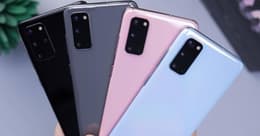
Galaxy S20 5G Vs iPhone XS

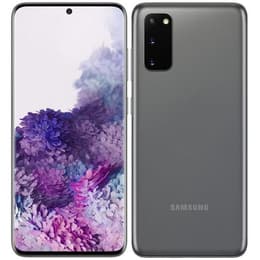
Galaxy S20 5G
Galaxy S20 5G
Starting at

Refurbished price:£133.00

Versus £899.00 new

See options
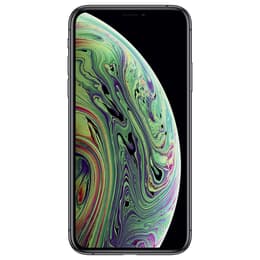
iPhone XS
iPhone XS
Starting at

Refurbished price:£94.00

Versus £399.00 new

See options

Ratings

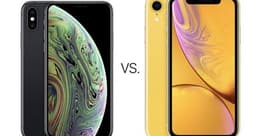
The Samsung Galaxy S20 5G, released in 2020, and the Apple iPhone Xs, launched in 2018, represent distinct approaches to smartphone design and functionality from different ecosystems. While both devices offered premium experiences at their respective launches, the Galaxy S20 5G introduced advancements like 5G connectivity and a high refresh rate display, setting it apart from the iPhone Xs's established iOS platform and compact form factor. The primary difference lies in their operating systems, with the Galaxy S20 5G running Android and the iPhone Xs operating on iOS.

Scores

Durability

When considering the long-term usability of these devices, their release timelines and software support are key factors.

  • Release Timeline: The iPhone Xs, released in September 2018, is an older device compared to the Galaxy S20 5G, which launched in February 2020. This two-year difference impacts their expected software longevity and hardware capabilities.
  • Software Longevity: By 2026, the iPhone Xs has likely concluded its major iOS update cycle, continuing to receive security patches but not new feature updates. The Galaxy S20 5G, being newer, has also likely finished its major Android OS updates but may receive security updates for a slightly longer period.
  • Repairability: Both models generally offer moderate repairability. The iPhone Xs, similar to the iPhone X, has a repairability score that suggests components like the screen and battery are replaceable by skilled technicians. The Galaxy S20 series, including the S20 5G, has been noted to be challenging to repair due to strong adhesives and glued-down batteries, often receiving lower repairability scores.

Year of Release

2020

2018

Compatible with latest Update

No

Yes

OS

Android

iOS

Foldable

No

No

Performance

The performance capabilities of these smartphones reflect their respective release years and underlying architectures, influencing how they handle daily tasks and demanding applications.

  • Everyday Responsiveness: The Galaxy S20 5G, with its newer-generation processor and typically higher RAM configurations (12GB), generally handles demanding applications, multitasking, and modern mobile games with greater fluidity. Users may notice quicker app loading and smoother transitions.
  • Multitasking and Storage: The iPhone Xs, equipped with 4GB of RAM, provides a smooth experience within the iOS ecosystem, but the Galaxy S20 5G's larger RAM capacity can offer more headroom for keeping multiple applications open simultaneously without needing to reload. The Galaxy S20 5G also offers expandable storage via a microSD card, a feature not present on the iPhone Xs.
  • Battery Behavior: The Galaxy S20 5G features a larger 4000mAh battery, which generally translates to longer usage times for many users, often lasting through a full day of moderate to heavy use. The iPhone Xs, with its 2658mAh battery, typically requires daily charging, especially for heavy users, though Apple's software optimizations help it manage power efficiently.

Memory (GB)

12 GB

4 GB

Screen quality

Both devices feature high-quality displays, but they differ in technology, size, and refresh rate, impacting the visual experience.

  • Display Technology and Clarity: Both the Galaxy S20 5G and the iPhone Xs utilize OLED display technology, offering deep blacks and vibrant colors. The Galaxy S20 5G features a 6.2-inch Dynamic AMOLED 2X display with a resolution of 1440x3200 pixels, resulting in sharp visuals. The iPhone Xs has a 5.8-inch Super Retina OLED display with a resolution of 1125 x 2436 pixels, also providing a clear viewing experience.
  • Refresh Rate and Brightness: A notable difference is the Galaxy S20 5G's 120Hz refresh rate (at FHD resolution), which provides a noticeably smoother scrolling experience and more fluid animations compared to the iPhone Xs's standard 60Hz display. The Galaxy S20 5G also generally achieves higher peak brightness, which can be beneficial for outdoor visibility in bright conditions.
  • Screen Size and Viewing: The Galaxy S20 5G offers a slightly larger display, providing a more expansive canvas for media consumption and multitasking. The iPhone Xs, with its 5.8-inch screen, offers a more compact form factor, which some users may find easier for one-handed use.

Resolution

1440 x 3200

1125 x 2436

Screen type

Dynamic AMOLED 2X

Super Retina OLED

Audiovisual

The camera systems on the Galaxy S20 5G and iPhone Xs offer distinct capabilities for photography and videography, catering to different user preferences.

  • Camera System Versatility: The Galaxy S20 5G boasts a more versatile triple-camera setup, including a 12-megapixel wide lens, a 64-megapixel telephoto lens, and a 12-megapixel ultrawide lens, allowing for a broader range of shots. The iPhone Xs features a dual-camera system with a 12-megapixel wide and a 12-megapixel telephoto lens.
  • Photography Performance: In everyday lighting, both phones capture detailed and color-accurate photos. The Galaxy S20 5G is praised for its highly detailed and natural-looking photos, performing well in low-light situations. The iPhone Xs, with its Smart HDR, also delivers well-exposed and sharp images in typical daytime conditions and shows improvements in low-light compared to its predecessors.
  • Video Recording and Audio: The Galaxy S20 5G supports 8K video recording, offering higher resolution video capture, while the iPhone Xs provides strong video quality with improved image stabilization and stereo audio recording. Both devices offer good speaker output for media consumption, with the Galaxy S20 5G's stereo speakers noted for being loud and clear.

Main camera

12 megapixels

12 megapixels

Front camera

10 megapixels

7 megapixels

Miscellaneous

Beyond core features, several practical elements differentiate these two smartphones, impacting daily convenience and user interaction.

  • Connectivity and Ports: A significant distinction is the Galaxy S20 5G's support for 5G cellular networks, offering faster data speeds in compatible areas, a feature absent on the 4G-only iPhone Xs. The Galaxy S20 5G uses a USB-C port for charging and data transfer, a widely adopted standard, while the iPhone Xs uses Apple's proprietary Lightning port. Neither device includes a traditional 3.5mm headphone jack.
  • Biometric Security: Both phones offer secure biometric authentication. The Galaxy S20 5G features an ultrasonic in-display fingerprint sensor, alongside face unlock. The iPhone Xs relies solely on Face ID for facial recognition.
  • Design and Handling: The Galaxy S20 5G is slightly larger and heavier, with a modern punch-hole display design and subtle display curves that contribute to a premium feel. The iPhone Xs offers a more compact form factor with a notch at the top of the display, which some users find ideal for one-handed use. Both devices feature robust builds with IP68 water and dust resistance.

Weight

163 g

177 g

Screen size (in)

6.2

5.8

Mobile network

5G

4G

SIM card

Dual Physical SIM

Physical SIM + eSIM

Carrier compatibility

Unlocked

Unlocked

Connector

USB-C

Lightning

User sentiment for both the Galaxy S20 5G and the iPhone Xs highlights their respective strengths and some common concerns. The Galaxy S20 5G is frequently praised for its versatile camera system, generally good battery life, and the smooth experience provided by its 120Hz display. Users also appreciate its 5G capabilities and expandable storage. Some criticisms have focused on its repairability challenges due to strong adhesives.

The iPhone Xs receives commendation for its fluid iOS experience, consistent software updates, and premium build quality. Its OLED display and Face ID are often cited as strong points. However, some users noted initial issues with Wi-Fi/LTE performance and the lack of a fast charger in the box. Battery life, while optimized by iOS, can be a point of contention for heavy users.

Users prioritizing a more modern Android experience with a high refresh rate display, a versatile camera, 5G connectivity, and expandable storage may find the Galaxy S20 5G well-suited to their needs. Its larger battery capacity also appeals to those seeking longer usage between charges. Conversely, users who prefer the iOS ecosystem, a compact design, and robust facial recognition security may lean towards the iPhone Xs. Its consistent software experience and strong build quality remain appealing. For those considering either device, opting for a quality-assured refurbished option can provide an eco-friendly alternative to extend the lifespan of these capable smartphones.

See all articles

Our recent comparisons