
Galaxy S20 5G Vs iPhone 12 Pro

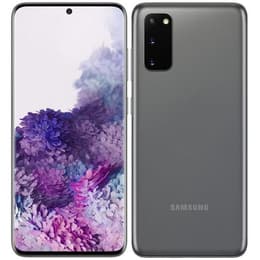
Galaxy S20 5G
Galaxy S20 5G
Starting at

Refurbished price:£132.00

Versus £899.00 new

See options
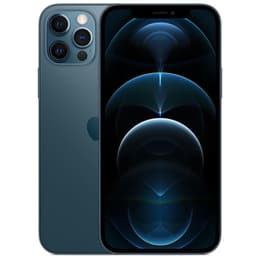
iPhone 12 Pro
iPhone 12 Pro
Starting at

Refurbished price:£204.00

Versus £879.00 new

See options

Ratings

The Samsung Galaxy S20 5G and the Apple iPhone 12 Pro are two prominent flagship smartphones released in 2020. Whilst they arrived in the same year, they represent different philosophies in mobile technology, with the Galaxy S20 5G focussing on display fluidity and the iPhone 12 Pro prioritising camera precision and ecosystem integration.

The Galaxy S20 5G operates on the Android platform, offering a highly customisable interface, whereas the iPhone 12 Pro runs iOS, known for its streamlined user experience and consistent software updates across devices.

Scores

Durability

When considering the lifespan of these 2020 releases, software support and physical build quality are the primary factors for long-term use.

  • Software Longevity: The iPhone 12 Pro typically receives software updates for a longer duration, often spanning six to seven years from its release, ensuring access to new features and security patches well into the mid-2020s. In contrast, the Galaxy S20 5G has a more defined support window, having completed its major operating system upgrades, though it may still receive critical security maintenance for a period.
  • Build and Repairability: Both phones feature premium glass and metal constructions that require careful handling. The iPhone 12 Pro introduced a flat-edge design with specialised glass for improved drop protection, whilst the Galaxy S20 5G uses a curved glass aesthetic that is widely supported by third-party repair services, making screen or battery replacements straightforward for professional technicians.

Year of Release

2020

2020

Compatible with latest Update

No

Yes

OS

Android

iOS

Foldable

No

No

Performance

The Galaxy S20 5G and iPhone 12 Pro deliver reliable daily performance through different internal architectures and memory management styles.

  • System Responsiveness: The iPhone 12 Pro is noted for its efficient handling of demanding applications and video editing, maintaining a smooth feel even when several high-intensity apps are open. The Galaxy S20 5G utilises a high amount of temporary memory (RAM), which allows it to keep many apps open in the background without needing to reload them frequently during multitasking.
  • Battery and Storage: Users will find that the Galaxy S20 5G offers flexible storage options through a memory card slot, which is absent on the iPhone 12 Pro. Regarding battery life, the Galaxy S20 5G supports fast charging to quickly replenish its power, whilst the iPhone 12 Pro focuses on consistent power delivery throughout a standard workday of mixed usage, such as browsing and messaging.

Memory (GB)

12 GB

6 GB

Screen quality

Display technology is a standout feature for both phones, though they prioritise different aspects of the visual experience such as motion and colour.

  • Motion Smoothness: The Galaxy S20 5G features a high refresh rate display, which makes scrolling through social media feeds and navigating menus appear noticeably fluid compared to standard screens. The iPhone 12 Pro maintains a traditional refresh rate but compensates with high touch sensitivity for a reactive feel during interactions.
  • Visual Clarity and Brightness: Both devices use advanced OLED technology, providing deep blacks and high contrast ratios that make movies and photos look vivid. The iPhone 12 Pro is calibrated for high colour accuracy, which is beneficial for photo editing, whilst the Galaxy S20 5G offers a high pixel density, resulting in sharp text and fine details during close-up viewing.

Resolution

1440 x 3200

1170 x 2532

Screen type

Dynamic AMOLED 2X

Super Retina XDR OLED

Audiovisual

Both devices feature sophisticated triple-camera arrays that cater to mobile photographers and videographers with distinct strengths in zoom and recording.

  • Zoom and Detail: The Galaxy S20 5G includes a high-resolution sensor specifically for zooming, allowing users to capture distant subjects with more clarity than many standard cameras. This makes it a practical choice for outdoor events or nature photography where getting closer to the subject is not possible.
  • Video and Low Light: The iPhone 12 Pro excels in video recording, offering professional-grade formats that capture a wide range of light and shadow. It also features a specialised sensor for depth sensing, which helps the camera focus faster in dark environments and produces natural-looking portraits with blurred backgrounds for a professional appearance.

Main camera

12 megapixels

12 megapixels

Front camera

10 megapixels

12 megapixels

Miscellaneous

Practical features like connectivity standards and physical design play a significant role in how these devices handle during daily tasks.

  • Connectivity and Ports: Both models support 5G networks for faster mobile data speeds where available. The Galaxy S20 5G uses the universal USB-C port, compatible with most modern laptop and tablet chargers, whilst the iPhone 12 Pro uses the Lightning connector and supports magnetic accessories for easy wireless charging and attachment of wallets or cases.
  • Biometrics and Ergonomics: For security, the Galaxy S20 5G uses a fingerprint scanner hidden beneath the glass of the screen, whereas the iPhone 12 Pro relies on facial recognition technology. The Galaxy S20 5G is slightly narrower, making it easier to grip with one hand, whilst the iPhone 12 Pro has a substantial, weighted feel due to its stainless steel frame.

Weight

163 g

187 g

Width

6,91 cm

7.15 cm

Height

15,17 cm

14.67 cm

Depth

0,79 cm

0.74 cm

Screen size (in)

6.2

6.1

Mobile network

5G

5G

SIM card

Dual Physical SIM

Physical SIM + eSIM

Carrier compatibility

Unlocked

Unlocked

Connector

USB-C

Lightning

User feedback from various tech communities highlights distinct preferences for each device. Owners of the Galaxy S20 5G frequently praise the 120Hz display for its smoothness and the flexibility of expandable storage. However, some users note that the battery can drain faster when the high refresh rate is active. On the other hand, iPhone 12 Pro users often cite the consistent camera performance and the longevity of software support as major advantages, though some find the lack of a high refresh rate screen a missed opportunity for a professional-tier device.

Choosing between these two depends on individual priorities. Users who prioritise a fluid screen experience and the open nature of the Android system will find the Galaxy S20 5G aligns well with their needs. Conversely, those who value video quality, long-term software reliability, and a robust ecosystem of accessories may lean towards the iPhone 12 Pro. For those looking to make a sustainable choice, a quality-assured refurbished option provides a way to access these flagship features whilst reducing electronic waste. Ultimately, both devices remain capable tools for modern communication and creativity, and choosing a sustainable choice like a refurbished model ensures these high-performance electronics continue to serve a purpose.


See all articles

Our recent comparisons