
Galaxy S10+ Vs iPhone 8

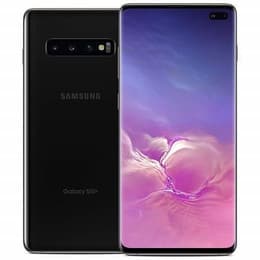
Galaxy S10+
Galaxy S10+
Starting at

Refurbished price:£115.32

Versus £330.00 new

See options
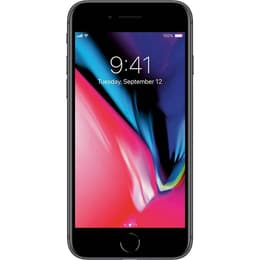
iPhone 8
iPhone 8
Starting at

Refurbished price:£69.00

Versus £249.00 new

See options

Ratings

The Samsung Galaxy S10 Plus, released in 2019, and the Apple iPhone 8, launched in 2017, represent two distinct generations of smartphone evolution. While the Galaxy S10 Plus was designed as a modern, nearly borderless flagship with an expansive display, the iPhone 8 serves as one of the final iterations of Apple's classic design language, featuring a physical home button and substantial borders. These devices operate on different ecosystems—Android and iOS respectively—offering users a choice between Samsung's customisable interface and Apple's streamlined, integrated software experience.

The primary differentiators between these two models lie in their physical footprint and display technology. The Galaxy S10 Plus prioritises a large-screen media experience with multiple camera options, whereas the iPhone 8 focuses on compact portability and ease of use for those who prefer a smaller device that fits comfortably in one hand. Despite their age, both smartphones remain functional for everyday tasks, though they cater to very different user priorities regarding screen size and operating system preference.

Scores

Durability

When considering the longevity of these devices in 2026, both have moved past their primary software update cycles, though they offer different levels of continued utility.

  • Software Support: The iPhone 8 officially stopped receiving major iOS updates with iOS 16, while the Galaxy S10 Plus concluded its major Android journey with version 12. While both can still run most modern applications, the iPhone 8 generally benefits from Apple's tendency to provide critical security patches for older hardware longer than many competitors.
  • Physical Durability: Both smartphones feature glass front and back panels, which require careful handling or protective cases. The Galaxy S10 Plus includes a curved screen that can be more complex to repair if damaged, whereas the iPhone 8 has a flat display that is often more straightforward for technicians to service.
  • Sustainable Longevity: For those looking to extend the life of these classic models, choosing a quality-assured refurbished option ensures the hardware has been professionally inspected and maintained. This approach helps these devices remain functional for several more years as reliable secondary phones or primary devices for light users.

Year of Release

2019

2017

Compatible with latest Update

No

No

OS

Android

iOS

Foldable

No

No

Performance

The performance gap between these two models is noticeable during multitasking and demanding tasks, largely due to the two-year difference in their release dates and internal hardware philosophies.

  • Multitasking and Memory: The Galaxy S10 Plus was built with significantly more temporary memory (RAM), allowing it to keep multiple heavy applications open in the background without refreshing. In contrast, the iPhone 8 has more modest memory, which may lead to apps closing more frequently when switching between a browser, social media, and a camera.
  • System Responsiveness: For basic daily activities like messaging, emails, and web browsing, both devices remain responsive. However, the Galaxy S10 Plus handles modern mobile gaming and high-definition video editing with more fluidity, whereas the iPhone 8 may show signs of slowing down when faced with the most recent, resource-heavy applications.
  • Battery Endurance: The Galaxy S10 Plus houses a much larger battery capacity designed to power its large screen through a full day of moderate use. The iPhone 8 has a much smaller battery, which typically requires more frequent charging, especially for users who frequently stream video or use navigation apps throughout the day.

Memory (GB)

8 GB

2 GB

Screen quality

The viewing experience is perhaps the most significant area of contrast, as the two devices use fundamentally different display technologies and design layouts.

  • Display Technology: The Galaxy S10 Plus features a vibrant OLED panel that provides deep blacks and high contrast, making it excellent for watching films or viewing photos. The iPhone 8 uses a traditional LCD screen, which offers natural colour reproduction but lacks the deep ink-like blacks and energy efficiency found in the Samsung's more advanced display.
  • Size and Clarity: With a 6.4-inch screen, the Galaxy S10 Plus offers a much larger canvas for content compared to the 4.7-inch screen of the iPhone 8. The Samsung also provides a higher resolution, resulting in sharper text and finer details, while the iPhone 8 maintains a clear but standard definition that is sufficient for its smaller size.
  • Outdoor Visibility: The Galaxy S10 Plus is capable of reaching higher brightness levels, which helps with legibility when using the phone under direct sunlight. The iPhone 8 remains usable outdoors, but users may find themselves seeking shade or shielding the screen more often to see details clearly in bright environments.

Resolution

1440 x 3040

750 x 1334

Screen type

Dynamic AMOLED

Retina IPS LCD

Audiovisual

Photography capabilities differ greatly between these models, with the Galaxy S10 Plus offering a versatile multi-lens system and the iPhone 8 sticking to a single-lens approach.

  • Versatility: The Galaxy S10 Plus is equipped with three distinct rear lenses: a standard wide, a telephoto for zooming, and an ultra-wide for capturing expansive landscapes or group shots. The iPhone 8 has a single wide-angle lens, which limits the user's ability to zoom in or out without losing image quality.
  • Image Quality: In daylight, both phones take clear and detailed photographs with accurate colours. However, the Galaxy S10 Plus performs better in low-light conditions, using software processing to pull more detail out of shadows, whereas the iPhone 8 images can appear grainier when the lights go down.
  • Video and Audio: Both devices are capable of recording high-quality 4K video, but the Galaxy S10 Plus offers more advanced stabilisation features to smooth out shaky footage. For audio, the Samsung includes a traditional headphone jack, while the iPhone 8 requires an adapter or wireless headphones, though both provide clear stereo speaker output for media playback.

Main camera

12 megapixels

12 megapixels

Front camera

10 megapixels

7 megapixels

Miscellaneous

Practical daily usage is influenced by the physical design and the various sensors and ports included on each smartphone.

  • Biometrics and Security: The iPhone 8 uses the classic Touch ID fingerprint sensor built into the home button, which many users find tactile and reliable. The Galaxy S10 Plus uses an ultrasonic fingerprint sensor hidden beneath the glass of the display, providing a more futuristic feel and allowing for a larger screen area.
  • Connectivity and Ports: The Galaxy S10 Plus uses the universal USB-C standard for charging and data transfer, and it also includes a microSD card slot for expanding storage. The iPhone 8 uses Apple's proprietary Lightning port and has fixed internal storage that cannot be expanded after purchase.
  • Portability and Build: The iPhone 8 is significantly lighter and smaller, making it an ideal choice for those who prefer to use their phone with one hand or carry it in small pockets. The Galaxy S10 Plus is a larger device that generally requires two-handed use for many tasks but offers a more immersive experience in return.

Weight

175 g

148 g

Screen size (in)

6.4

4.7

Mobile network

4G

4G

SIM card

Dual Physical SIM

Physical SIM

Carrier compatibility

Unlocked

Unlocked

In summary, the choice between the Galaxy S10 Plus and the iPhone 8 depends largely on whether a user prioritises modern multimedia features or compact simplicity. Based on common user feedback from community forums, the Galaxy S10 Plus is frequently praised for its stunning display and the versatility of its triple-camera system, though some users note that its larger size can be cumbersome. The iPhone 8 is often celebrated for its enduring build quality and the familiarity of the home button, though its smaller battery and dated screen design are common points of criticism for those accustomed to newer hardware.

Users who prioritise watching videos, mobile gaming, and having a variety of camera lenses will find the Galaxy S10 Plus aligns better with their needs. Conversely, users who prefer a lightweight, pocket-friendly device for basic communication and social media may lean toward the iPhone 8. Opting for an eco-friendly alternative through refurbishment allows users to enjoy these classic designs while contributing to a more sustainable electronics lifecycle. Both smartphones remain capable choices for those seeking reliable technology without the complexity of the very latest flagship releases, providing a practical balance of features for different lifestyles.

See all articles

Our recent comparisons