Samsung
Compare models
Differences at a glance
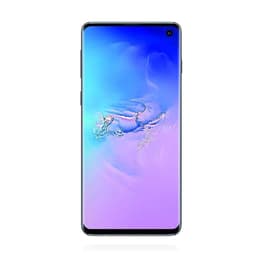
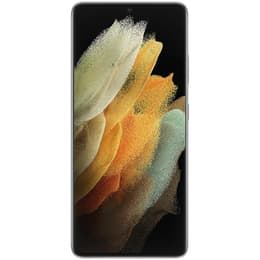
The Samsung Galaxy S10, released in March 2019, and the Samsung Galaxy S21 Ultra 5G, launched in January 2021, represent different generations of Samsung's flagship smartphone line. While both devices offer a premium Android experience, the S21 Ultra 5G introduces significant advancements in camera technology, display refresh rates, and overall processing power, reflecting the evolution of smartphone capabilities over two years.
Colour
Storage
When considering the long-term usability of these devices, their respective release timelines and software support play a crucial role.
Year of Release
Compatible with latest Update
OS
Foldable
The performance capabilities of the Galaxy S10 and Galaxy S21 Ultra 5G show a notable generational leap, impacting everything from daily tasks to demanding applications.
The display experience on these two devices showcases advancements in mobile screen technology over time.
Resolution
Screen type
The camera systems of the Galaxy S10 and Galaxy S21 Ultra 5G highlight a significant leap in mobile photography capabilities.
Main camera
Front camera
Beyond core performance, several practical elements differentiate the user experience between these two Samsung smartphones.
Weight
Screen size (in)
Mobile network
SIM card
Carrier compatibility
Connector
The Samsung Galaxy S10 and Galaxy S21 Ultra 5G cater to different user priorities, largely due to the technological advancements made between their release dates. The Galaxy S10, praised for its compact design, inclusion of a headphone jack, and generally reliable performance for its time, was a solid flagship. Users appreciated its vibrant display and capable camera system for everyday photography. However, common criticisms included battery drain for some users and the ultrasonic fingerprint scanner's compatibility issues with certain screen protectors.
The Galaxy S21 Ultra 5G, on the other hand, is lauded for its significantly upgraded camera system with advanced zoom capabilities, a larger and smoother 120Hz display, and a more powerful processor that handles demanding tasks with ease. Its 5G connectivity and S Pen support also stand out as major advantages. User feedback, however, sometimes points to concerns about its larger size and weight, potential battery drain when the high refresh rate is consistently active, and occasional software glitches or heating issues.
Users prioritizing a more compact form factor, the convenience of a headphone jack, and a device that still performs well for general use may find the Galaxy S10 suitable. Conversely, those who demand the latest in mobile photography, a highly fluid display, top-tier performance for gaming and productivity, and future-proof 5G connectivity will likely prefer the Galaxy S21 Ultra 5G. For consumers looking for a quality-assured refurbished option, both models offer a sustainable choice, allowing access to premium features at different price points without compromising on functionality.